Govt Proposes Anti-Cheating Law Changes
Sweeping changes to prevent cheating, faster trials proposed.
'%3E%3Crect%20width%3D'96'%20height%3D'96'%20fill%3D'%23B3261E'%2F%3E%3Ccircle%20cx%3D'30'%20cy%3D'24'%20r%3D'44'%20fill%3D'%23fff'%20opacity%3D'.12'%2F%3E%3Ccircle%20cx%3D'60'%20cy%3D'74'%20r%3D'40'%20fill%3D'%23000'%20opacity%3D'.10'%2F%3E%3C%2Fg%3E%3Cg%20fill%3D'%23fff'%3E%3Crect%20x%3D'29'%20y%3D'49'%20width%3D'8'%20height%3D'19'%20rx%3D'1'%2F%3E%3Crect%20x%3D'39'%20y%3D'40'%20width%3D'9'%20height%3D'28'%20rx%3D'1'%2F%3E%3Crect%20x%3D'50'%20y%3D'45'%20width%3D'8'%20height%3D'23'%20rx%3D'1'%2F%3E%3Crect%20x%3D'60'%20y%3D'53'%20width%3D'7'%20height%3D'15'%20rx%3D'1'%2F%3E%3Crect%20x%3D'41'%20y%3D'34'%20width%3D'5'%20height%3D'6'%2F%3E%3C%2Fg%3E%3C%2Fsvg%3E)
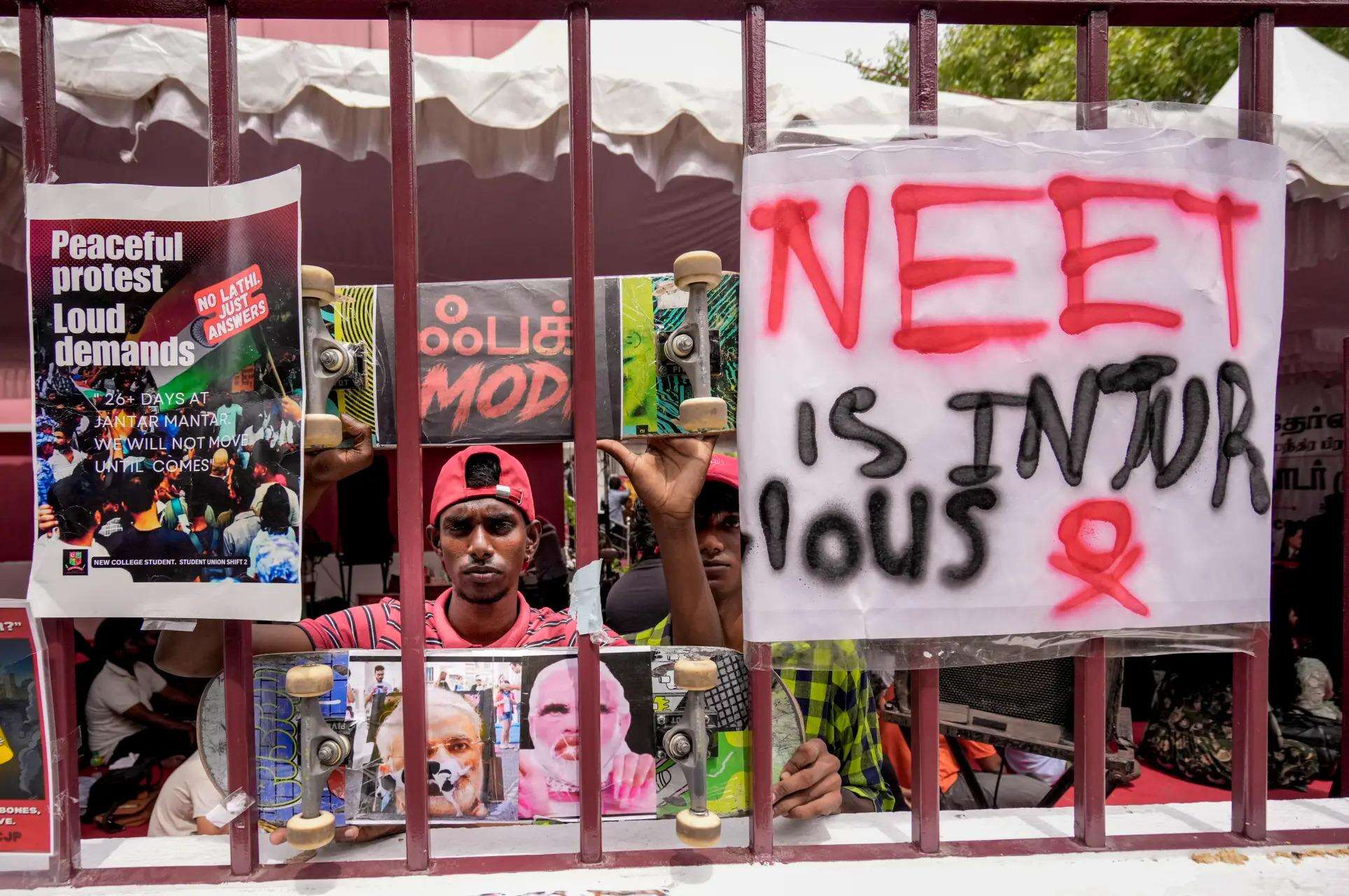
The Central Government has proposed significant changes to the anti-cheating law, aiming to expedite investigations and trials.
Under the proposed Public Examinations (Prevention of Unfair Means) Amendment Bill, investigations into offences under the Act will have to be completed within two months. This move is expected to bring about a sense of urgency and efficiency in the investigation process.
The Bill also empowers the Central Government to constitute special fast-track courts, wherever necessary, for the investigation of offences under the Act. These courts will be responsible for conducting trials on a day-to-day basis, ensuring that the process is swift and uninterrupted.
The amendment proposes that trials in these special fast-track courts be completed within three months from the date of filing of the chargesheet. This timeline is expected to reduce the delay and uncertainty associated with the current system.
The proposed changes are part of a broader effort to prevent cheating and ensure the integrity of public examinations. The government aims to create a fair and transparent system, where offenders are held accountable and justice is served promptly.
The introduction of special fast-track courts is a significant development, as it will enable the swift disposal of cases related to cheating and other unfair means. This, in turn, will help maintain the credibility of public examinations and uphold the principles of fairness and merit.
The proposed amendment has been welcomed by many, who see it as a step in the right direction. However, some have raised concerns about the feasibility of completing investigations and trials within the proposed timelines.
The government's move to amend the anti-cheating law is a response to the growing concern about the prevalence of cheating and other unfair means in public examinations. The proposed changes are expected to have a significant impact on the education system, as they will help prevent cheating and promote a culture of fairness and integrity.
In the context of India's education system, the proposed changes are significant, as they will help maintain the credibility of public examinations. The government's efforts to prevent cheating and promote fairness are part of a broader effort to improve the quality of education and ensure that students are assessed on their merit.
The proposed amendment is expected to have far-reaching consequences, as it will help create a fair and transparent system. The government's move to introduce special fast-track courts and expedite investigations and trials is a significant step towards preventing cheating and promoting integrity in public examinations.
In conclusion, the proposed changes to the anti-cheating law are a significant development, as they will help prevent cheating and promote fairness in public examinations. The introduction of special fast-track courts and the expedited investigation and trial process will help maintain the credibility of public examinations and uphold the principles of fairness and merit.
Frequently asked questions
What is the proposed timeline for investigations under the Public Examinations Act?
The proposed timeline is two months.
What is the purpose of introducing special fast-track courts?
The purpose is to expedite trials and ensure swift disposal of cases related to cheating and other unfair means.