State Can't Implement Clay Ganesh Idols This Year
Maharashtra government cites time constraints, Bombay high court informed
'%3E%3Crect%20width%3D'96'%20height%3D'96'%20fill%3D'%23B3261E'%2F%3E%3Ccircle%20cx%3D'30'%20cy%3D'24'%20r%3D'44'%20fill%3D'%23fff'%20opacity%3D'.12'%2F%3E%3Ccircle%20cx%3D'60'%20cy%3D'74'%20r%3D'40'%20fill%3D'%23000'%20opacity%3D'.10'%2F%3E%3C%2Fg%3E%3Cg%20fill%3D'%23fff'%3E%3Crect%20x%3D'29'%20y%3D'49'%20width%3D'8'%20height%3D'19'%20rx%3D'1'%2F%3E%3Crect%20x%3D'39'%20y%3D'40'%20width%3D'9'%20height%3D'28'%20rx%3D'1'%2F%3E%3Crect%20x%3D'50'%20y%3D'45'%20width%3D'8'%20height%3D'23'%20rx%3D'1'%2F%3E%3Crect%20x%3D'60'%20y%3D'53'%20width%3D'7'%20height%3D'15'%20rx%3D'1'%2F%3E%3Crect%20x%3D'41'%20y%3D'34'%20width%3D'5'%20height%3D'6'%2F%3E%3C%2Fg%3E%3C%2Fsvg%3E)
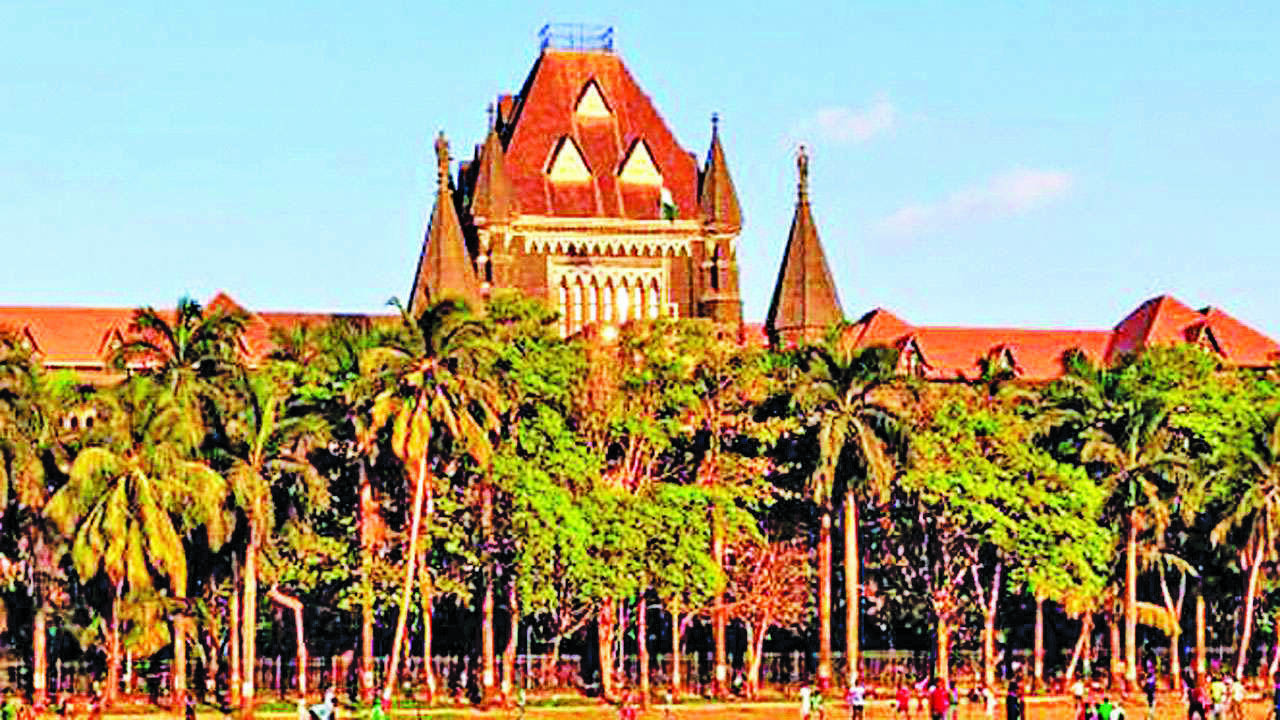
The Maharashtra government has informed the Bombay high court that it cannot implement the Prime Minister's call for using clay Ganesh idols this year.
The government cited time constraints as the reason for not being able to implement this decision. The Prime Minister had urged people to use clay idols instead of plaster of Paris ones to reduce environmental pollution.
The state government's submission was made in response to a public interest litigation (PIL) filed in the high court. The PIL had sought directions to the state government to take steps to reduce pollution caused by the immersion of Ganesh idols in water bodies.
The Maharashtra government stated that while it is in agreement with the Prime Minister's suggestion, it needs more time to create awareness and implement the necessary measures. The government also pointed out that a large number of idols are already made and ready for sale.
The Bombay high court has been hearing the PIL, which highlights the environmental damage caused by the immersion of idols made of plaster of Paris and other non-biodegradable materials. The court is expected to continue hearing the matter in the coming days.
The use of clay idols is considered a more environmentally friendly option as they are biodegradable and do not harm the water bodies. However, the state government's inability to implement this decision this year may mean that the environmental pollution caused by the immersion of idols will continue.
The Maharashtra government's decision is likely to affect the upcoming Ganesh festival, which is a major event in the state. The festival, which is celebrated over 10 days, sees the immersion of thousands of Ganesh idols in water bodies across the state.
The state government's submission to the Bombay high court highlights the challenges it faces in implementing environmental measures, even when there is a willingness to do so. The government's inability to implement the Prime Minister's call for clay Ganesh idols this year is a setback for environmental activists who have been pushing for more sustainable practices.
In recent years, there has been a growing awareness about the need to reduce environmental pollution caused by human activities. The use of clay Ganesh idols is seen as a small step towards reducing pollution, but it requires a concerted effort from the government, manufacturers, and citizens.
The Bombay high court's decision on the PIL is expected to provide guidance on how to balance the need to reduce environmental pollution with the practical challenges of implementing such measures. The court's ruling will be closely watched by environmental activists and citizens who are concerned about the impact of human activities on the environment.
The Maharashtra government's inability to implement the Prime Minister's call for clay Ganesh idols this year is a reminder that reducing environmental pollution requires a sustained effort and commitment from all stakeholders. While the government's decision may be disappointing for environmental activists, it highlights the need for a more nuanced approach to addressing environmental challenges.
In conclusion, the Maharashtra government's submission to the Bombay high court highlights the challenges of implementing environmental measures, even when there is a willingness to do so. The use of clay Ganesh idols is a small step towards reducing pollution, but it requires a concerted effort from the government, manufacturers, and citizens. The Bombay high court's decision on the PIL will provide guidance on how to balance the need to reduce environmental pollution with the practical challenges of implementing such measures.
Frequently asked questions
Why can't the state implement clay Ganesh idols this year?
The state government has cited time constraints as the reason for not being able to implement this decision.
What is the environmental impact of using plaster of Paris idols?
The immersion of idols made of plaster of Paris and other non-biodegradable materials causes environmental pollution and harm to water bodies.