Beavers Revive Valley Buried by Mount St. Helens Eruption
Beavers help restore damaged landscape, but new project threatens progress.
'%3E%3Crect%20width%3D'96'%20height%3D'96'%20fill%3D'%23B3261E'%2F%3E%3Ccircle%20cx%3D'30'%20cy%3D'24'%20r%3D'44'%20fill%3D'%23fff'%20opacity%3D'.12'%2F%3E%3Ccircle%20cx%3D'60'%20cy%3D'74'%20r%3D'40'%20fill%3D'%23000'%20opacity%3D'.10'%2F%3E%3C%2Fg%3E%3Cg%20fill%3D'%23fff'%3E%3Crect%20x%3D'29'%20y%3D'49'%20width%3D'8'%20height%3D'19'%20rx%3D'1'%2F%3E%3Crect%20x%3D'39'%20y%3D'40'%20width%3D'9'%20height%3D'28'%20rx%3D'1'%2F%3E%3Crect%20x%3D'50'%20y%3D'45'%20width%3D'8'%20height%3D'23'%20rx%3D'1'%2F%3E%3Crect%20x%3D'60'%20y%3D'53'%20width%3D'7'%20height%3D'15'%20rx%3D'1'%2F%3E%3Crect%20x%3D'41'%20y%3D'34'%20width%3D'5'%20height%3D'6'%2F%3E%3C%2Fg%3E%3C%2Fsvg%3E)
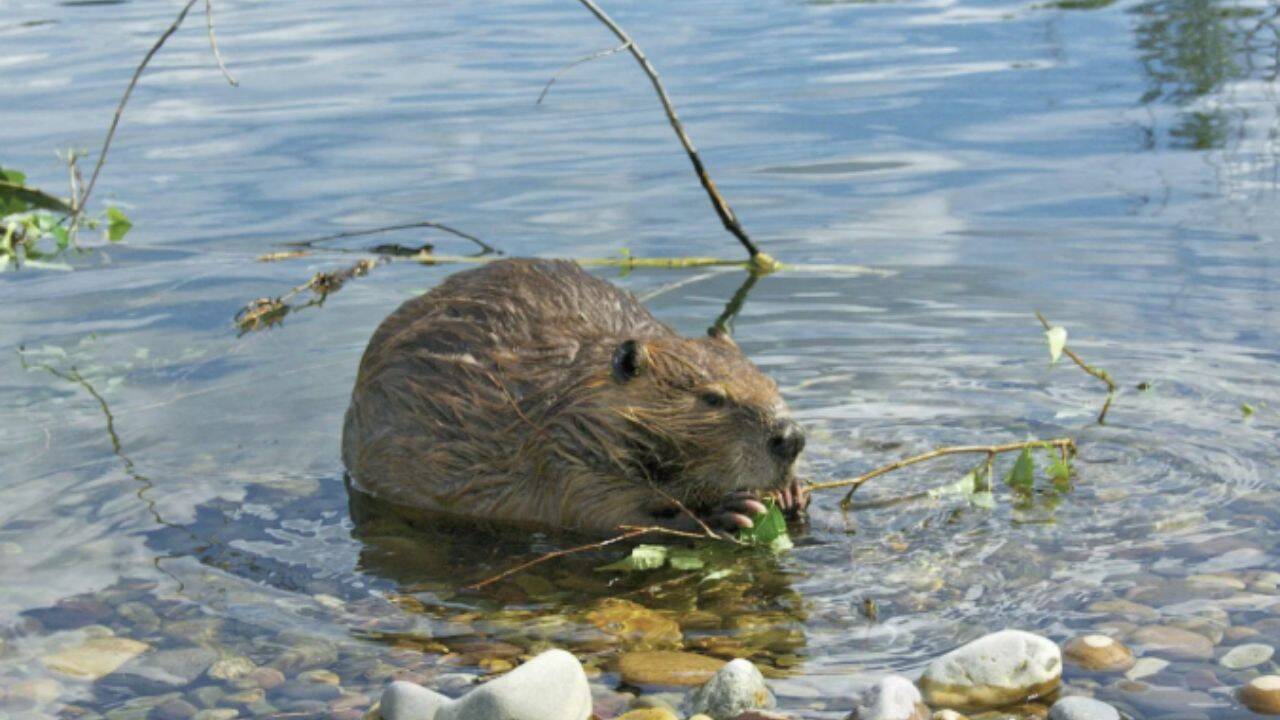
A remarkable story of ecological restoration has unfolded in a Washington river valley, where 58 relocated beavers have played a crucial role in reviving the landscape. The valley was severely damaged over 40 years ago when the Mount St. Helens eruption buried it under volcanic sediment.
The beavers, which were introduced to the area, have built dams and created wetlands that have helped to bring back native plants, fish, and wildlife. This natural restoration process has been a significant success, with the valley now teeming with life.
However, conservationists are concerned that a planned government project could undo the years of progress made by the beavers. The project involves raising a sediment retention structure, which could potentially disrupt the delicate ecosystem that has been established.
The Mount St. Helens eruption, which occurred in 1980, was one of the most significant volcanic events in recent US history. The eruption caused widespread destruction, including the burial of the river valley under a thick layer of volcanic sediment. The area was left barren and lifeless, with little hope of recovery.
But the introduction of the beavers has changed everything. These remarkable animals have worked tirelessly to build their dams and create wetlands, which have helped to filter out sediment and restore the natural flow of the river. As a result, native plants have begun to grow, and fish and wildlife have returned to the area.
The restoration of the valley is a testament to the power of nature and the importance of conservation efforts. However, the planned government project has raised concerns among conservationists, who fear that it could disrupt the fragile ecosystem and undo the years of progress made by the beavers.
The project, which is aimed at preventing sediment from flowing downstream, could potentially harm the beavers and the ecosystem they have helped to create. Conservationists are calling for a reassessment of the project and for alternative solutions to be considered that would not harm the environment.
The story of the beavers and the restoration of the valley is a significant one, not just for the local ecosystem but also for the wider environment. It highlights the importance of conservation and the need to protect and preserve natural habitats.
In the end, the fate of the valley and the beavers that have helped to restore it remains uncertain. However, one thing is clear: the natural restoration process that has occurred in the valley is a remarkable achievement, and every effort should be made to protect and preserve it.
The success of the beavers in restoring the valley has significant implications for conservation efforts around the world. It shows that even in the most damaged and degraded ecosystems, there is always hope for recovery and restoration. It also highlights the importance of working with nature, rather than against it, to achieve conservation goals.
As the situation in the valley continues to unfold, one thing is certain: the beavers have made a significant contribution to the restoration of the ecosystem, and their efforts should be recognized and protected. The planned government project should be carefully reconsidered, and alternative solutions should be explored that would not harm the environment or undo the years of progress made by the beavers.
The story of the beavers and the valley is a powerful reminder of the importance of conservation and the need to protect and preserve natural habitats. It is a story that should inspire us all to take action to protect the environment and to work towards a more sustainable future.
In conclusion, the restoration of the valley by the beavers is a remarkable achievement that highlights the importance of conservation and the power of nature. While the planned government project poses a threat to the ecosystem, it is hoped that alternative solutions can be found that will protect the environment and preserve the progress made by the beavers.