India Simplifies Defence Export Procedures
India boosts defence exports, cuts red tape. Export procedures simplified, licence coverage expanded.
'%3E%3Crect%20width%3D'96'%20height%3D'96'%20fill%3D'%23B3261E'%2F%3E%3Ccircle%20cx%3D'30'%20cy%3D'24'%20r%3D'44'%20fill%3D'%23fff'%20opacity%3D'.12'%2F%3E%3Ccircle%20cx%3D'60'%20cy%3D'74'%20r%3D'40'%20fill%3D'%23000'%20opacity%3D'.10'%2F%3E%3C%2Fg%3E%3Cg%20fill%3D'%23fff'%3E%3Crect%20x%3D'29'%20y%3D'49'%20width%3D'8'%20height%3D'19'%20rx%3D'1'%2F%3E%3Crect%20x%3D'39'%20y%3D'40'%20width%3D'9'%20height%3D'28'%20rx%3D'1'%2F%3E%3Crect%20x%3D'50'%20y%3D'45'%20width%3D'8'%20height%3D'23'%20rx%3D'1'%2F%3E%3Crect%20x%3D'60'%20y%3D'53'%20width%3D'7'%20height%3D'15'%20rx%3D'1'%2F%3E%3Crect%20x%3D'41'%20y%3D'34'%20width%3D'5'%20height%3D'6'%2F%3E%3C%2Fg%3E%3C%2Fsvg%3E)
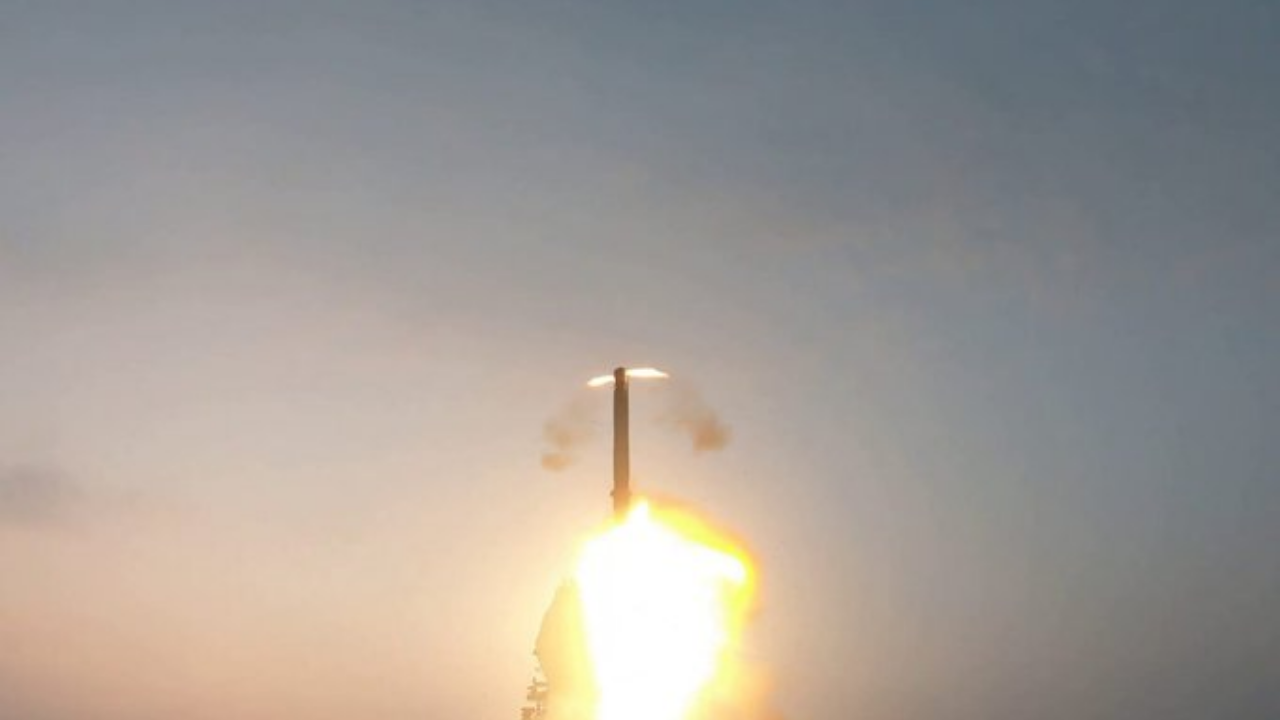
The Indian defence ministry has introduced significant reforms to simplify export procedures and expand licence coverage, aiming to boost the international competitiveness of Indian defence companies.
The key change is the waiver of stakeholder consultations for most non-lethal defence exports, which is expected to reduce bureaucratic delays and increase efficiency. Additionally, the Open General Export Licence framework has been unified and its validity extended, providing greater clarity and consistency for exporters.
These reforms come at a time when the Indian defence sector is experiencing record production and export figures, indicating a growing demand for Indian-made defence equipment globally. The simplification of export procedures is expected to further accelerate this growth, enabling Indian companies to compete more effectively in the global market.
The Indian defence industry has been growing rapidly in recent years, driven by government initiatives such as the 'Make in India' programme and the Defence Production Policy. The sector has seen significant investments in research and development, leading to the creation of advanced defence technologies and products.
The expansion of licence coverage is also expected to benefit small and medium-sized enterprises (SMEs) in the defence sector, which often face challenges in navigating complex export regulations. By simplifying these procedures, the government aims to encourage more SMEs to participate in defence exports, thereby promoting greater diversity and innovation in the sector.
The reforms are part of the government's broader strategy to increase India's defence exports and reduce its reliance on imports. The goal is to make India a major player in the global defence market, leveraging its strengths in areas such as information technology, aerospace, and shipbuilding.
The impact of these reforms is expected to be significant, with potential benefits for both Indian defence companies and the broader economy. By increasing defence exports, India can earn valuable foreign exchange, create new job opportunities, and enhance its global reputation as a reliable and innovative defence manufacturer.
In conclusion, the simplification of defence export procedures is a major step forward for the Indian defence industry, and is expected to have far-reaching consequences for the sector's growth and development. As the industry continues to evolve and expand, it is likely that we will see significant increases in defence exports, driving economic growth and enhancing India's position on the global stage.
Frequently asked questions
What are the main changes to India's defence export procedures?
The main changes include the waiver of stakeholder consultations for most non-lethal defence exports and the unification of the Open General Export Licence framework.
Why has the Indian government introduced these reforms?
The government has introduced these reforms to boost the international competitiveness of Indian defence companies and increase defence exports.