Trump Imposes 200% Tariff on Generic Medicines
US introduces new policy, initially zero tariffs, later 200% tariff.
'%3E%3Crect%20width%3D'96'%20height%3D'96'%20fill%3D'%234A235A'%2F%3E%3Ccircle%20cx%3D'30'%20cy%3D'24'%20r%3D'44'%20fill%3D'%23fff'%20opacity%3D'.12'%2F%3E%3Ccircle%20cx%3D'60'%20cy%3D'74'%20r%3D'40'%20fill%3D'%23000'%20opacity%3D'.10'%2F%3E%3C%2Fg%3E%3Cg%20fill%3D'none'%20stroke%3D'%23fff'%20stroke-width%3D'3'%3E%3Ccircle%20cx%3D'48'%20cy%3D'48'%20r%3D'16'%2F%3E%3Cellipse%20cx%3D'48'%20cy%3D'48'%20rx%3D'6.5'%20ry%3D'16'%2F%3E%3Cline%20x1%3D'32'%20y1%3D'42'%20x2%3D'64'%20y2%3D'42'%2F%3E%3Cline%20x1%3D'32'%20y1%3D'54'%20x2%3D'64'%20y2%3D'54'%2F%3E%3C%2Fg%3E%3C%2Fsvg%3E)
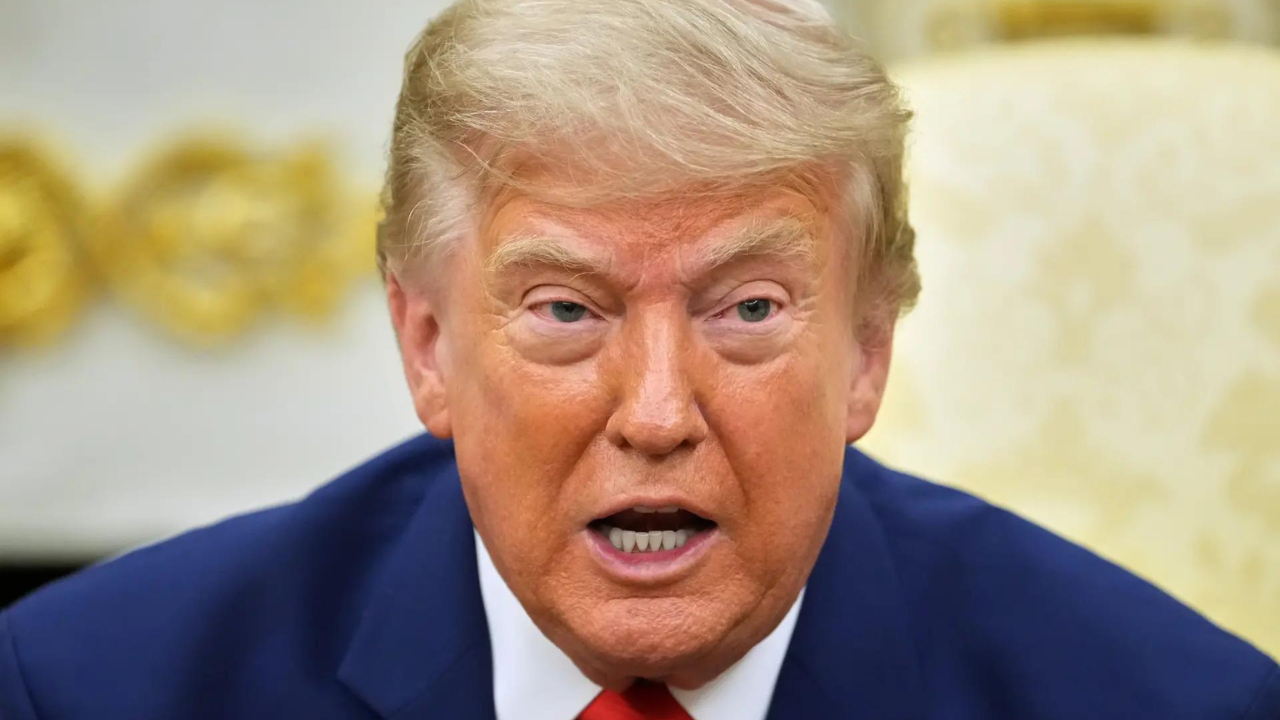
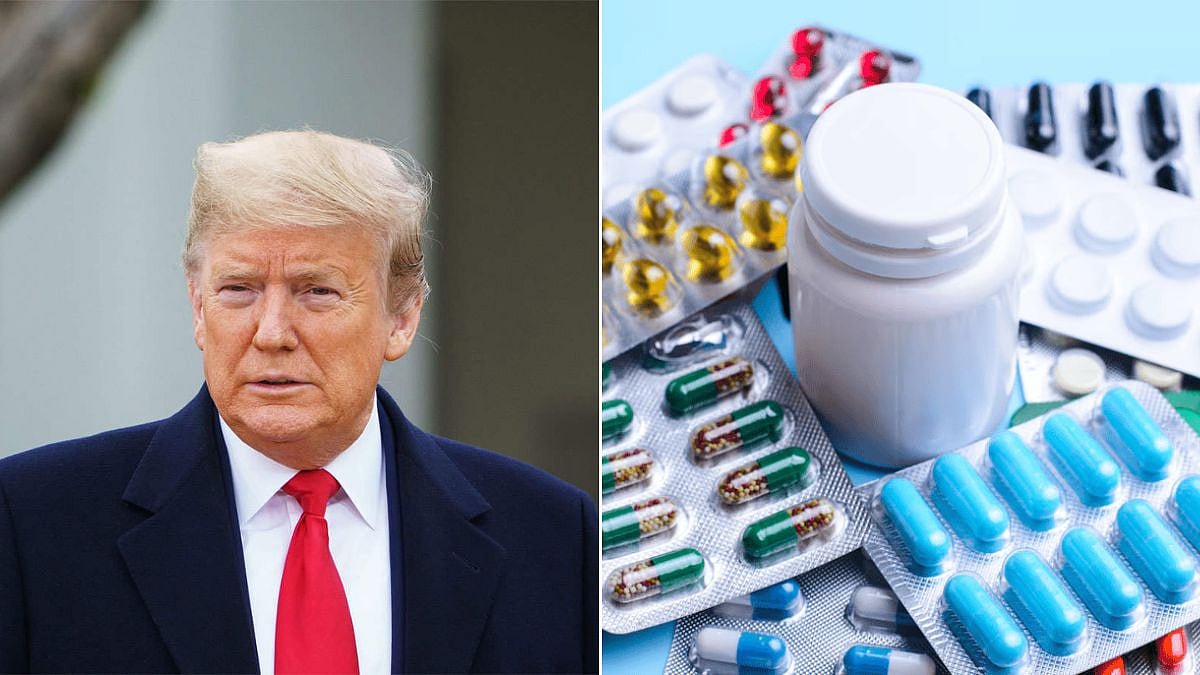
US President Donald Trump has introduced a new policy on generic medicines, which initially imposes zero tariffs on these products. However, this policy takes a drastic turn, with a 200% tariff imposed later on.
The initial zero-tariff policy is seen as a move to promote the import of generic medicines into the US, making them more affordable for American consumers. This decision is expected to benefit the US healthcare sector, as generic medicines are significantly cheaper than their branded counterparts.
However, the subsequent imposition of a 200% tariff is likely to have a profound impact on the generic medicine industry. This tariff will make it extremely difficult for foreign manufacturers to export their products to the US, potentially leading to a shortage of affordable medicines in the country.
The US generic medicine market is a significant one, with a large demand for affordable healthcare products. India, in particular, is a major player in this market, with many Indian pharmaceutical companies exporting generic medicines to the US.
The new policy has raised concerns among Indian pharmaceutical companies, as the 200% tariff will make it challenging for them to compete in the US market. This could lead to a decline in exports and a subsequent impact on the Indian economy.
The Indian government has been actively engaged in negotiations with the US to resolve trade issues, including those related to the pharmaceutical sector. However, the introduction of this new policy has added a new layer of complexity to these negotiations.
The implications of this policy are far-reaching, with potential consequences for the global generic medicine industry. As the US is a major market for generic medicines, this policy could have a ripple effect on the industry as a whole.
In conclusion, Trump's new generic medicine policy has introduced a significant level of uncertainty into the industry. While the initial zero-tariff policy may provide some benefits, the subsequent imposition of a 200% tariff is likely to have a devastating impact on foreign manufacturers, including those in India.
The policy's impact on the US healthcare sector and the global generic medicine industry will be closely watched in the coming months. As the situation unfolds, it is likely that there will be significant developments in the US-India trade negotiations, particularly with regards to the pharmaceutical sector.
The US and India have a long history of trade cooperation, and it is hoped that a mutually beneficial solution can be found to address the concerns raised by this new policy. However, until then, the generic medicine industry will remain in a state of flux, as manufacturers and exporters navigate the complexities of this new policy.
The introduction of this policy has also raised questions about the long-term implications for the US healthcare sector. With the potential for a shortage of affordable medicines, there are concerns about the impact on American consumers, particularly those who rely on generic medicines for their healthcare needs.
As the situation continues to evolve, it is essential to monitor the developments in the US-India trade negotiations and the impact of this policy on the generic medicine industry. The consequences of this policy will be far-reaching, and it is crucial to understand the implications for all stakeholders involved.
In the end, the success of this policy will depend on the ability of the US and India to find a mutually beneficial solution that addresses the concerns of all parties involved. Until then, the generic medicine industry will remain in a state of uncertainty, as manufacturers, exporters, and consumers navigate the complexities of this new policy.
Frequently asked questions
What is the new tariff policy on generic medicines introduced by Trump?
The policy initially imposes zero tariffs, later increasing to 200%.
How will this policy affect Indian pharmaceutical companies?
The 200% tariff will make it challenging for Indian companies to compete in the US market, potentially leading to a decline in exports.