Bombay HC Orders Removal of Nitin Gadkari Deepfake Videos
Court acts on ethanol policy deepfakes, raises concern over abusive content
'%3E%3Crect%20width%3D'96'%20height%3D'96'%20fill%3D'%231A5276'%2F%3E%3Ccircle%20cx%3D'30'%20cy%3D'24'%20r%3D'44'%20fill%3D'%23fff'%20opacity%3D'.12'%2F%3E%3Ccircle%20cx%3D'60'%20cy%3D'74'%20r%3D'40'%20fill%3D'%23000'%20opacity%3D'.10'%2F%3E%3C%2Fg%3E%3Cg%20fill%3D'%23fff'%3E%3Cpath%20d%3D'M31%2041%20L48%2031%20L65%2041%20Z'%2F%3E%3Crect%20x%3D'33'%20y%3D'43'%20width%3D'4'%20height%3D'17'%2F%3E%3Crect%20x%3D'41'%20y%3D'43'%20width%3D'4'%20height%3D'17'%2F%3E%3Crect%20x%3D'51'%20y%3D'43'%20width%3D'4'%20height%3D'17'%2F%3E%3Crect%20x%3D'59'%20y%3D'43'%20width%3D'4'%20height%3D'17'%2F%3E%3Crect%20x%3D'30'%20y%3D'62'%20width%3D'36'%20height%3D'4'%20rx%3D'1'%2F%3E%3C%2Fg%3E%3C%2Fsvg%3E)
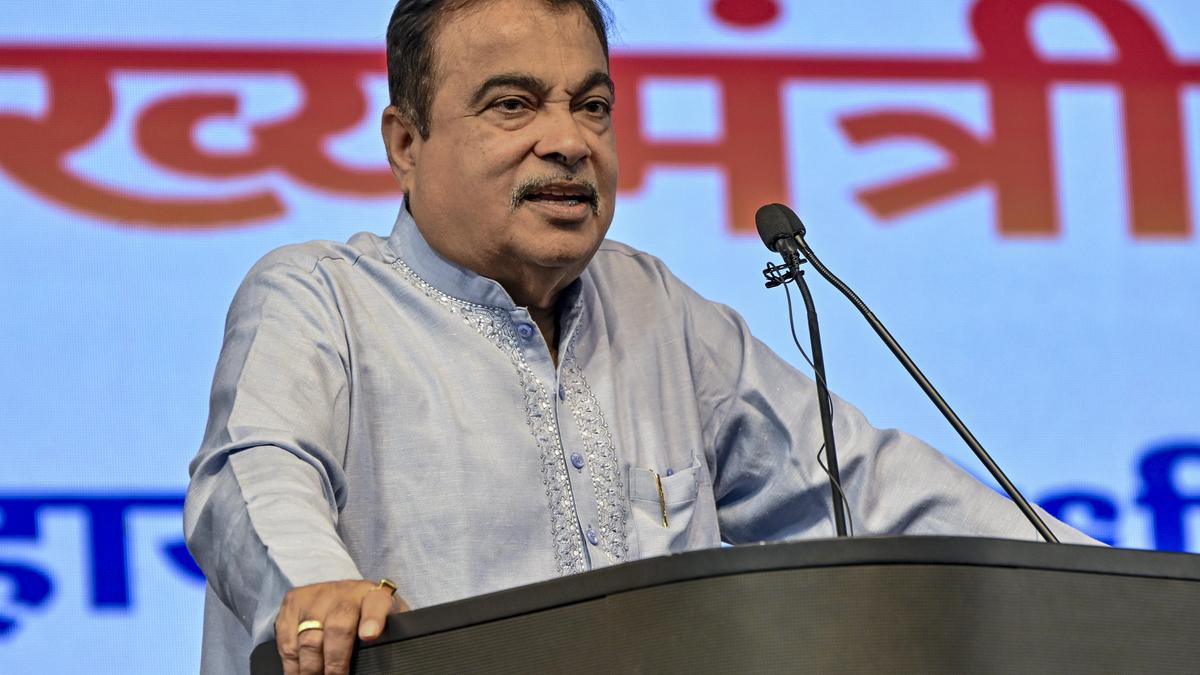
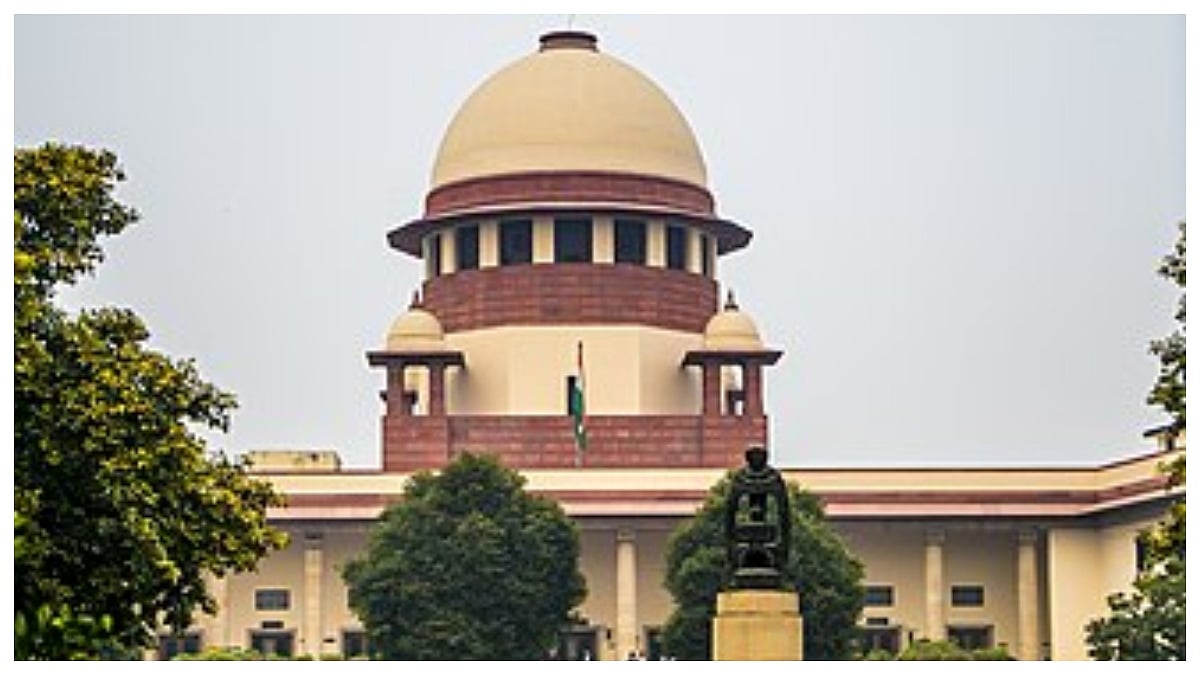
The Bombay High Court has ordered the removal of deepfake videos targeting Union Minister Nitin Gadkari over the government's ethanol policy.
The court's decision came after it was brought to its attention that several deepfake videos were circulating online, allegedly criticizing Gadkari's stance on the policy.
During the proceedings, the court expressed concern over the absence of a mechanism to remove abusive content without judicial intervention. It observed that individuals are compelled to approach courts for relief in such matters, highlighting the need for a more efficient system to tackle online harassment.
The court's order is a significant step in addressing the issue of deepfake content, which has become a growing concern in recent times. Deepfakes use artificial intelligence to create fake videos or audio recordings that can be used to mislead or deceive people.
Gadkari, who is the Minister for Road Transport and Highways, has been a strong advocate for the use of ethanol as a fuel alternative. The government's ethanol policy aims to promote the use of ethanol as a biofuel, which is expected to reduce the country's dependence on fossil fuels and mitigate climate change.
The Bombay High Court's decision is also significant in the context of online freedom of speech and the need to balance it with the need to protect individuals from online harassment. The court's observation that individuals are compelled to approach courts for relief in such matters highlights the need for a more robust mechanism to tackle online abuse.
The removal of the deepfake videos is expected to provide relief to Gadkari, who has been the target of online criticism over the government's ethanol policy. The court's order is also likely to set a precedent for future cases involving deepfake content and online harassment.
In recent times, there have been several instances of deepfake content being used to mislead or deceive people. The use of deepfakes has raised concerns about the potential for online harassment and the need for a more effective mechanism to tackle such content.
The Bombay High Court's decision is a step in the right direction, as it highlights the need for a more robust system to tackle online abuse and protect individuals from harassment. The court's order is also significant in the context of the government's efforts to promote the use of ethanol as a biofuel and reduce the country's dependence on fossil fuels.
The case is a reminder that online freedom of speech needs to be balanced with the need to protect individuals from online harassment. The Bombay High Court's decision is expected to have implications for future cases involving deepfake content and online harassment, and is likely to contribute to the ongoing debate about the need for a more effective mechanism to tackle online abuse.
In conclusion, the Bombay High Court's order to remove deepfake videos targeting Nitin Gadkari is a significant step in addressing the issue of online harassment and the need to protect individuals from deepfake content. The court's decision is likely to set a precedent for future cases and contribute to the ongoing debate about the need for a more effective mechanism to tackle online abuse.
Frequently asked questions
What was the Bombay High Court's order regarding deepfake videos of Nitin Gadkari?
The court ordered the removal of deepfake videos targeting Nitin Gadkari over the government's ethanol policy.
Why did the court express concern over the absence of a mechanism to remove abusive content?
The court expressed concern because individuals are compelled to approach courts for relief in such matters, highlighting the need for a more efficient system to tackle online harassment.