MPs Use Gen Z Slang in Parliament
MPs use Gen Z terms, decode meanings
'%3E%3Crect%20width%3D'96'%20height%3D'96'%20fill%3D'%231A5276'%2F%3E%3Ccircle%20cx%3D'30'%20cy%3D'24'%20r%3D'44'%20fill%3D'%23fff'%20opacity%3D'.12'%2F%3E%3Ccircle%20cx%3D'60'%20cy%3D'74'%20r%3D'40'%20fill%3D'%23000'%20opacity%3D'.10'%2F%3E%3C%2Fg%3E%3Cg%20fill%3D'%23fff'%3E%3Cpath%20d%3D'M31%2041%20L48%2031%20L65%2041%20Z'%2F%3E%3Crect%20x%3D'33'%20y%3D'43'%20width%3D'4'%20height%3D'17'%2F%3E%3Crect%20x%3D'41'%20y%3D'43'%20width%3D'4'%20height%3D'17'%2F%3E%3Crect%20x%3D'51'%20y%3D'43'%20width%3D'4'%20height%3D'17'%2F%3E%3Crect%20x%3D'59'%20y%3D'43'%20width%3D'4'%20height%3D'17'%2F%3E%3Crect%20x%3D'30'%20y%3D'62'%20width%3D'36'%20height%3D'4'%20rx%3D'1'%2F%3E%3C%2Fg%3E%3C%2Fsvg%3E)
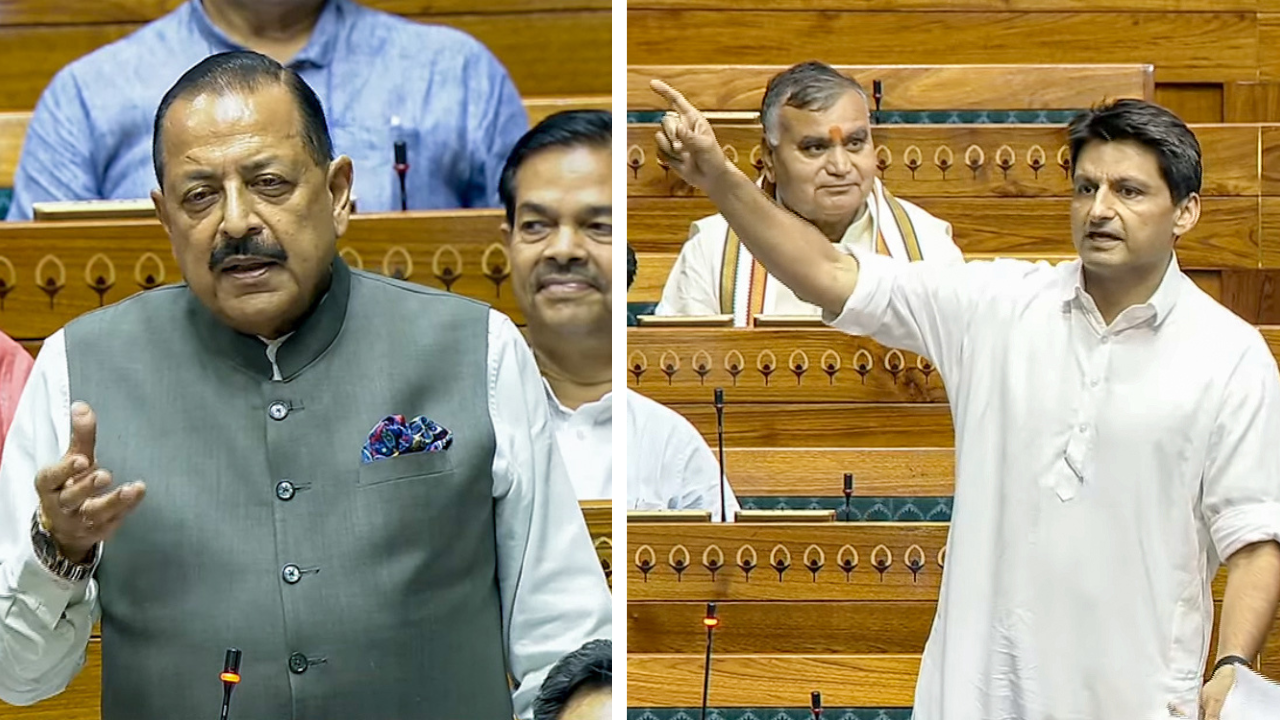
In a recent session of Parliament, several MPs were heard using Gen Z slang terms, leaving many to wonder about their meanings. The terms 'MIA' and 'kuchu puchu' were among those used by the MPs.
MIA, a popular Gen Z term, stands for 'Missing In Action', which is used to describe someone who is absent or unavailable. On the other hand, 'kuchu puchu' is a slang term that is often used to express excitement or surprise.
The use of Gen Z slang by MPs has sparked a debate about the relevance of using such terms in formal settings like Parliament. While some argue that it helps to connect with the younger generation, others believe that it undermines the dignity of the institution.
The MPs who used these terms were attempting to relate to the younger generation and show that they are aware of the latest trends. However, the use of such terms has also raised questions about the MPs' understanding of the issues that affect the younger generation.
Parliament is a formal institution where important discussions and decisions are made. The use of slang terms like 'MIA' and 'kuchu puchu' may be seen as unprofessional by some. On the other hand, it can also be argued that the use of such terms can help to make the institution more relatable and accessible to the younger generation.
The use of Gen Z slang in Parliament is not an isolated incident. In recent years, there has been a growing trend of using slang terms in formal settings. This trend is not limited to Parliament, but can also be seen in other formal institutions like courts and educational institutions.
As the younger generation becomes more involved in politics, it is likely that we will see more instances of Gen Z slang being used in formal settings. Whether or not this is a positive trend remains to be seen.
In conclusion, the use of Gen Z slang in Parliament has sparked a debate about the relevance of using such terms in formal settings. While some argue that it helps to connect with the younger generation, others believe that it undermines the dignity of the institution.
The incident highlights the challenges of connecting with the younger generation in a rapidly changing world. As the younger generation becomes more involved in politics, it is essential to find ways to communicate with them effectively.
The use of Gen Z slang in Parliament may be seen as a step in this direction, but it is crucial to ensure that the dignity of the institution is maintained.
Ultimately, the use of Gen Z slang in Parliament is a reflection of the changing times and the need for institutions to adapt to the changing needs of the younger generation.
It will be interesting to see how this trend develops in the future and whether or not it will have a significant impact on the way we communicate in formal settings.
Frequently asked questions
What does MIA mean in Gen Z slang?
MIA stands for 'Missing In Action', which is used to describe someone who is absent or unavailable.
Why are MPs using Gen Z slang in Parliament?
MPs are using Gen Z slang to connect with the younger generation and show that they are aware of the latest trends.