West Bengal Withdraws SC Appeal On OBC Status
West Bengal drops Supreme Court appeal, accepts High Court verdict on OBC list. State cabinet decides not to pursue appeal filed by previous government.
'%3E%3Crect%20width%3D'96'%20height%3D'96'%20fill%3D'%231A5276'%2F%3E%3Ccircle%20cx%3D'30'%20cy%3D'24'%20r%3D'44'%20fill%3D'%23fff'%20opacity%3D'.12'%2F%3E%3Ccircle%20cx%3D'60'%20cy%3D'74'%20r%3D'40'%20fill%3D'%23000'%20opacity%3D'.10'%2F%3E%3C%2Fg%3E%3Cg%20fill%3D'%23fff'%3E%3Cpath%20d%3D'M31%2041%20L48%2031%20L65%2041%20Z'%2F%3E%3Crect%20x%3D'33'%20y%3D'43'%20width%3D'4'%20height%3D'17'%2F%3E%3Crect%20x%3D'41'%20y%3D'43'%20width%3D'4'%20height%3D'17'%2F%3E%3Crect%20x%3D'51'%20y%3D'43'%20width%3D'4'%20height%3D'17'%2F%3E%3Crect%20x%3D'59'%20y%3D'43'%20width%3D'4'%20height%3D'17'%2F%3E%3Crect%20x%3D'30'%20y%3D'62'%20width%3D'36'%20height%3D'4'%20rx%3D'1'%2F%3E%3C%2Fg%3E%3C%2Fsvg%3E)
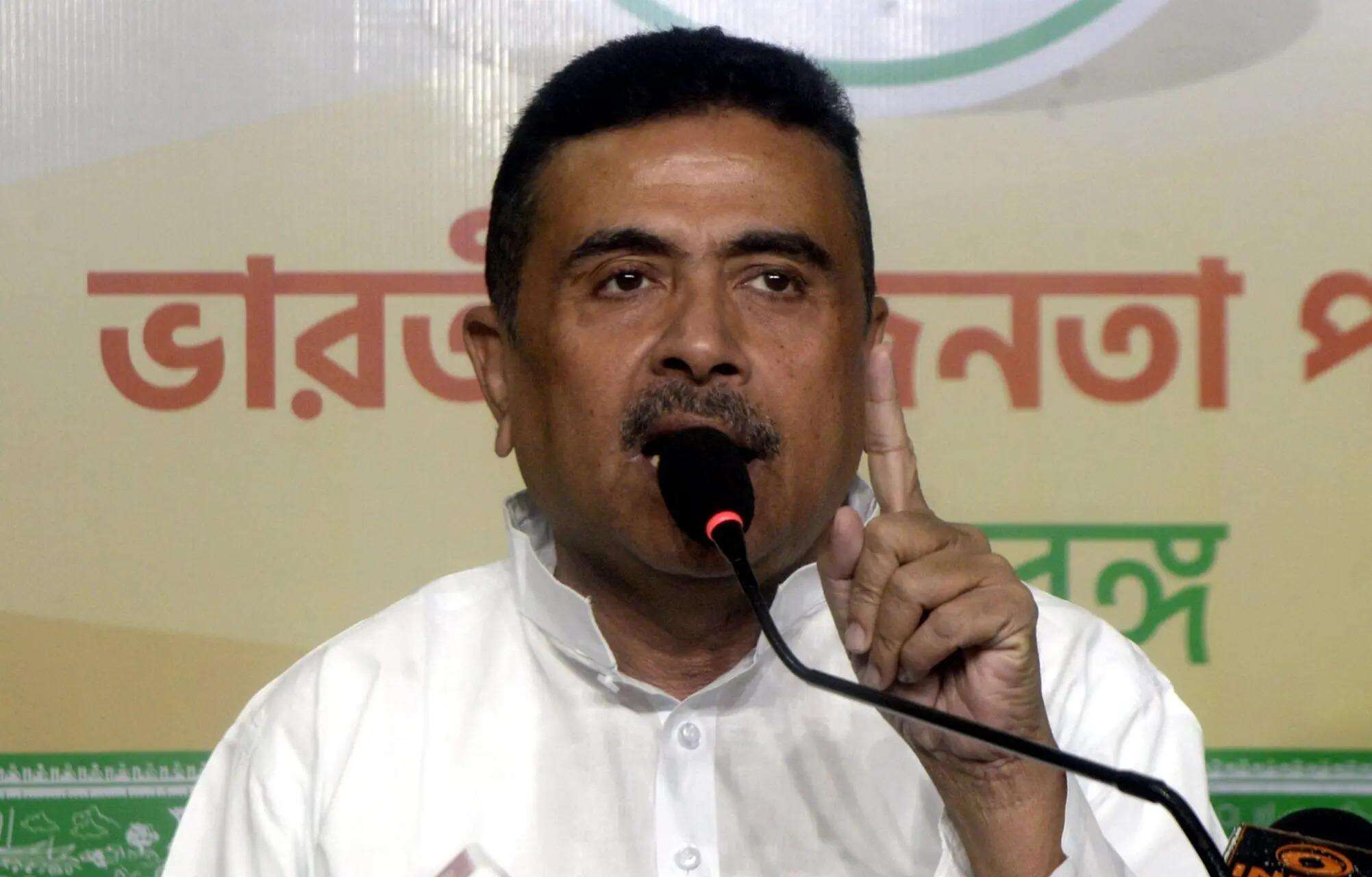
West Bengal has withdrawn its appeal from the Supreme Court, challenging the Calcutta High Court's judgment on the Other Backward Classes (OBC) list. The decision was made by the state cabinet, effectively accepting the High Court's verdict.
The Calcutta High Court had previously struck down the inclusion of 77 communities in the OBC list, including 75 Muslim communities. This decision was challenged by the previous Trinamool Congress government through an appeal in the Supreme Court.
However, the new government, led by Suvendu, has decided not to pursue the appeal. This move comes after the state assembly passed two bills aimed at restructuring the OBC reservation framework.
The High Court's verdict had sparked controversy, with many arguing that it would affect the reservation benefits of the communities included in the list. The state government's decision to withdraw the appeal is seen as a significant development in the ongoing debate over OBC reservations.
The West Bengal state assembly has been actively working on redefining the OBC reservation framework. The two bills passed by the assembly are expected to address the concerns raised by the High Court's verdict and provide a new framework for OBC reservations in the state.
The decision to withdraw the appeal is a notable shift in the state government's stance on the issue. It remains to be seen how this development will impact the OBC communities in West Bengal and the broader debate over reservation policies in the country.
The OBC reservation policy has been a topic of discussion and controversy in recent years, with various states and communities arguing for greater representation and benefits. The West Bengal government's decision to withdraw its appeal and accept the High Court's verdict is likely to have implications for the ongoing debate over OBC reservations.
In the context of West Bengal's political landscape, this decision is seen as a significant move by the new government. The Suvendu government's decision to withdraw the appeal and restructure the OBC reservation framework is expected to have far-reaching implications for the state's politics and social landscape.
The development is also expected to impact the lives of thousands of individuals from the 77 communities who were previously included in the OBC list. The state government's decision to withdraw the appeal and redefine the OBC reservation framework is likely to provide a new direction for the communities affected by the High Court's verdict.
In conclusion, the West Bengal government's decision to withdraw its Supreme Court appeal on the OBC status of 77 castes is a significant development in the ongoing debate over reservation policies. The move is expected to have far-reaching implications for the state's politics, social landscape, and the lives of individuals from the affected communities.