17-year-old creates empathetic AI models
Teen's AI breakthrough, 90% more empathetic. New training method for smaller AI models.
'%3E%3Crect%20width%3D'96'%20height%3D'96'%20fill%3D'%23B3261E'%2F%3E%3Ccircle%20cx%3D'30'%20cy%3D'24'%20r%3D'44'%20fill%3D'%23fff'%20opacity%3D'.12'%2F%3E%3Ccircle%20cx%3D'60'%20cy%3D'74'%20r%3D'40'%20fill%3D'%23000'%20opacity%3D'.10'%2F%3E%3C%2Fg%3E%3Cg%20fill%3D'%23fff'%3E%3Crect%20x%3D'29'%20y%3D'49'%20width%3D'8'%20height%3D'19'%20rx%3D'1'%2F%3E%3Crect%20x%3D'39'%20y%3D'40'%20width%3D'9'%20height%3D'28'%20rx%3D'1'%2F%3E%3Crect%20x%3D'50'%20y%3D'45'%20width%3D'8'%20height%3D'23'%20rx%3D'1'%2F%3E%3Crect%20x%3D'60'%20y%3D'53'%20width%3D'7'%20height%3D'15'%20rx%3D'1'%2F%3E%3Crect%20x%3D'41'%20y%3D'34'%20width%3D'5'%20height%3D'6'%2F%3E%3C%2Fg%3E%3C%2Fsvg%3E)
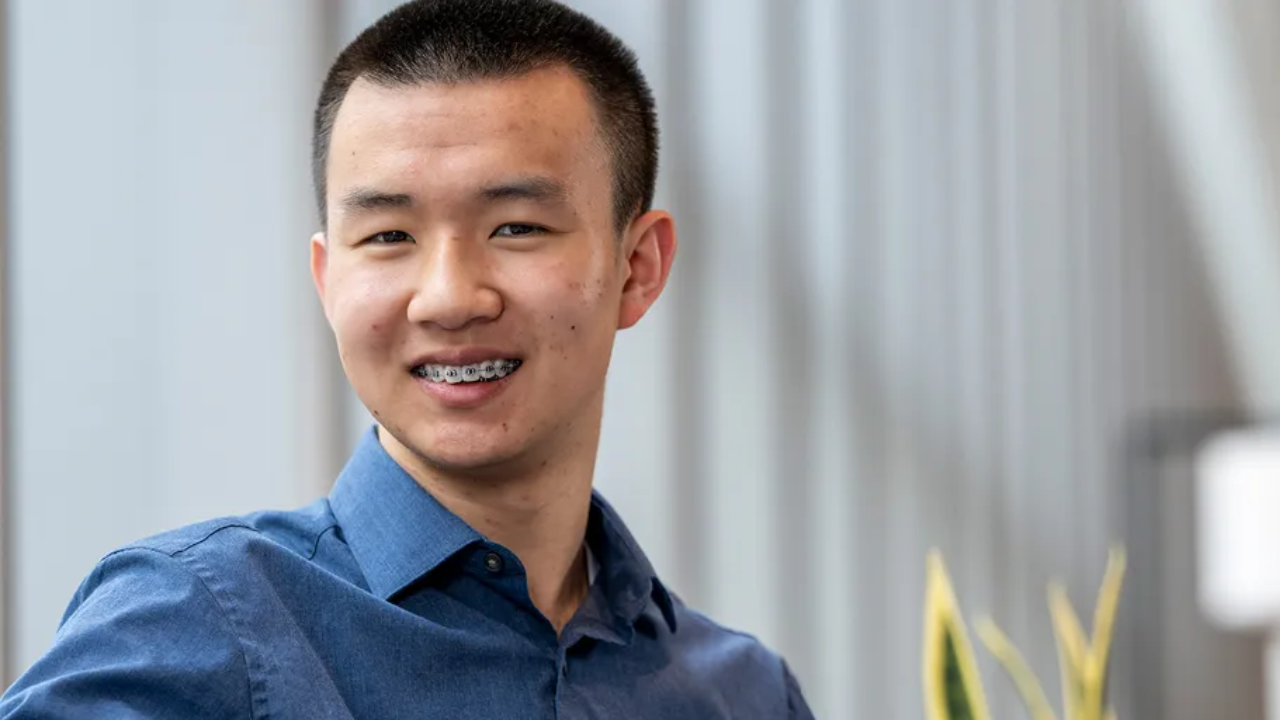
A 17-year-old student from Portland has made a significant breakthrough in the field of artificial intelligence, creating a new training method that enhances the communication skills of smaller AI models. This innovative technique has resulted in impressive empathy ratings in various tests, paving the way for more advanced conversational capabilities in personal devices.
The student's research focuses on human-like interaction, pushing the boundaries of how we develop empathetic AI. By improving the communication skills of smaller AI models, the student's work has the potential to make a significant impact on the development of personal devices, such as virtual assistants and chatbots.
The new training method has been shown to increase empathy ratings in smaller AI models by 90%. This is a significant improvement, as current AI models often struggle to understand and respond to human emotions. The student's breakthrough has the potential to enable more natural and intuitive interactions between humans and AI systems.
The development of empathetic AI is a key area of research, as it has the potential to improve a wide range of applications, from customer service to healthcare. By creating AI models that can understand and respond to human emotions, developers can create more effective and engaging interfaces.
The student's work is a significant contribution to the field of AI research, and has the potential to inspire further innovation and development. As AI technology continues to evolve, the need for empathetic and human-like interaction will become increasingly important.
The implications of this breakthrough are far-reaching, and could potentially lead to the development of more advanced and intuitive AI systems. As the use of AI becomes more widespread, the need for empathetic and effective communication will become increasingly important.
In the future, we can expect to see more advanced conversational capabilities in personal devices, enabling more natural and intuitive interactions between humans and AI systems. The student's work is a significant step towards achieving this goal, and has the potential to make a lasting impact on the development of AI technology.
The development of empathetic AI is a complex and challenging task, but the student's breakthrough demonstrates that it is possible to create AI models that can understand and respond to human emotions. As the field of AI research continues to evolve, we can expect to see further innovations and developments in this area.
In conclusion, the 17-year-old student's breakthrough in creating empathetic AI models is a significant achievement, with the potential to make a lasting impact on the development of AI technology. The student's work has the potential to enable more natural and intuitive interactions between humans and AI systems, and could potentially lead to the development of more advanced and intuitive AI systems.
Frequently asked questions
What is the significance of the 17-year-old's AI breakthrough?
The breakthrough has the potential to enable more natural and intuitive interactions between humans and AI systems, and could potentially lead to the development of more advanced and intuitive AI systems.
How does the new training method improve AI communication skills?
The new training method focuses on human-like interaction, and has resulted in impressive empathy ratings in various tests, increasing empathy ratings in smaller AI models by 90%.