Iran Blacklists 45 Ships Amid Hormuz Security Risks
Iran blacklists ships, Indian refiners to avoid vessels. Security concerns rise.
'%3E%3Crect%20width%3D'96'%20height%3D'96'%20fill%3D'%234A235A'%2F%3E%3Ccircle%20cx%3D'30'%20cy%3D'24'%20r%3D'44'%20fill%3D'%23fff'%20opacity%3D'.12'%2F%3E%3Ccircle%20cx%3D'60'%20cy%3D'74'%20r%3D'40'%20fill%3D'%23000'%20opacity%3D'.10'%2F%3E%3C%2Fg%3E%3Cg%20fill%3D'none'%20stroke%3D'%23fff'%20stroke-width%3D'3'%3E%3Ccircle%20cx%3D'48'%20cy%3D'48'%20r%3D'16'%2F%3E%3Cellipse%20cx%3D'48'%20cy%3D'48'%20rx%3D'6.5'%20ry%3D'16'%2F%3E%3Cline%20x1%3D'32'%20y1%3D'42'%20x2%3D'64'%20y2%3D'42'%2F%3E%3Cline%20x1%3D'32'%20y1%3D'54'%20x2%3D'64'%20y2%3D'54'%2F%3E%3C%2Fg%3E%3C%2Fsvg%3E)
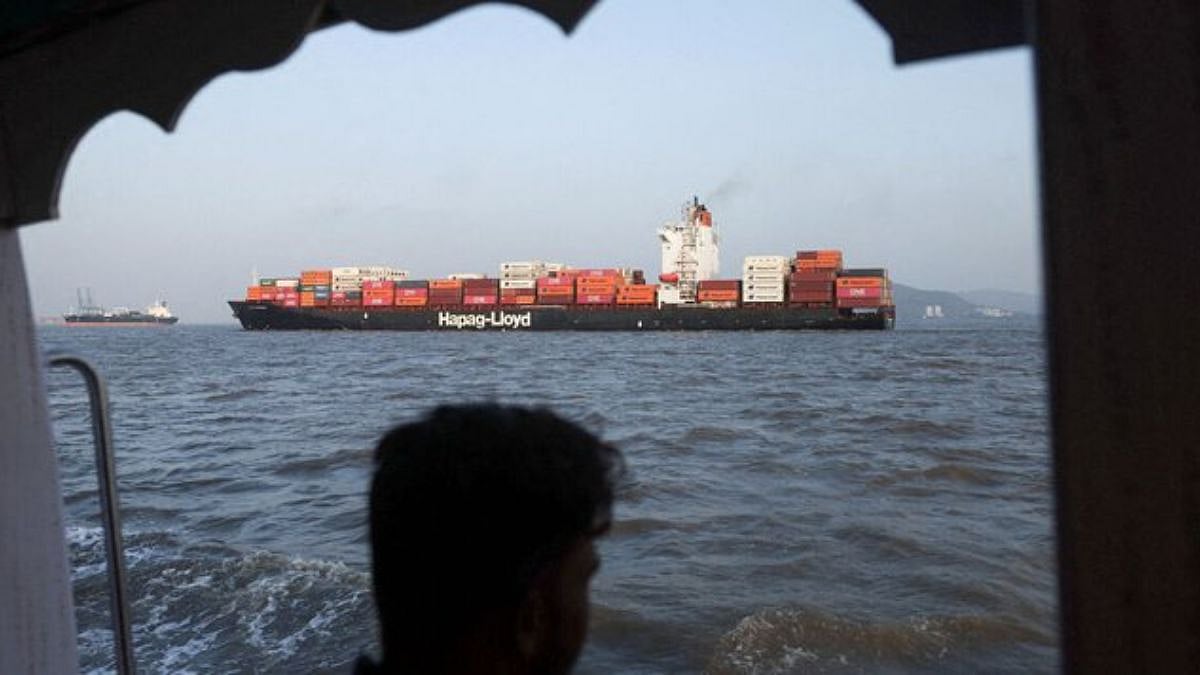
Iran has released a list of 45 vessels it accuses of violating its rules for navigating the Strait of Hormuz, citing security concerns. At least three Indian oil refiners and a major global energy company are preparing to avoid these vessels, according to sources familiar with the matter.
The move threatens to disrupt shuttle tanker operations used by Gulf oil producers, including Saudi Arabia and the UAE. These arrangements involve dedicated tankers transporting crude, refined products, and LNG through the Strait of Hormuz before transferring cargo to other vessels through ship-to-ship operations in the Gulf of Oman.
Iran's Persian Gulf Strait Authority has warned that ships conducting cargo transfers with the blacklisted vessels could face penalties, including fines, detention, and cargo confiscation. The listed vessels could also face similar penalties.
Indian refiners and other market participants are reassessing their exposure to the blacklisted vessels. One Indian refinery source said the company would avoid using chartered ships involved in STS transfers or other dealings with vessels deemed non-compliant by Iran.
Some of the blacklisted tankers are owned or chartered by major Gulf energy companies, such as Saudi Aramco and Abu Dhabi National Oil Co. Shipping data shows that these vessels have been involved in transporting Gulf energy cargoes for STS transfers near Fujairah in the UAE and Sohar in Oman.
Several charterers and shipping companies are evaluating whether to continue such operations. Some buyers are considering delivered cargo arrangements instead of purchasing oil on a free-on-board basis at STS locations.
Analysts expect compliance-focused buyers to steer clear of the affected vessels, although the trade is unlikely to stop entirely. Instead, shipments could shift to alternative tankers, counterparties, or transfer locations, limiting the disruption to regional oil flows.
The situation is being closely monitored by the oil industry, as any disruption to the Strait of Hormuz could have significant implications for global energy supplies. The Strait is a critical waterway, with a significant portion of the world's oil passing through it.
In recent years, the region has seen increased tensions, with Iran and other countries in the region accusing each other of violating maritime rules. The latest move by Iran is seen as an attempt to assert its authority over the Strait and enforce its rules on shipping.
The impact of the blacklist on the oil market is still uncertain, but it is likely to lead to increased costs and complexity for refiners and shipping companies. As the situation continues to evolve, it is likely that we will see further developments and potential disruptions to the oil trade.
In conclusion, the blacklisting of 45 ships by Iran has significant implications for the oil industry, particularly for Indian refiners and Gulf oil producers. The situation is being closely monitored, and any disruption to the Strait of Hormuz could have far-reaching consequences for global energy supplies.
The Indian government and oil industry are likely to be watching the situation closely, as any disruption to the oil trade could have significant implications for the country's energy security. The government may need to take steps to mitigate the impact of the blacklist and ensure that the country's energy needs are met.
Overall, the situation is complex and evolving, and it is likely that we will see further developments in the coming days and weeks. The oil industry and governments around the world will be closely monitoring the situation, as the Strait of Hormuz remains a critical waterway for global energy supplies.
The blacklisting of the ships is a significant development in the ongoing tensions in the region, and it is likely to have far-reaching consequences for the oil trade and global energy supplies. As the situation continues to evolve, it is likely that we will see further disruptions and potential conflicts in the region.
In the end, the blacklisting of the ships by Iran is a significant move that has significant implications for the oil industry and global energy supplies. The situation is complex and evolving, and it is likely that we will see further developments and potential disruptions to the oil trade in the coming days and weeks.
Frequently asked questions
What is the Strait of Hormuz and why is it important?
The Strait of Hormuz is a critical waterway located between Iran and Oman, through which a significant portion of the world's oil passes. It is a vital shipping route for the global oil trade.
What are the implications of the blacklist for the oil industry?
The blacklist could lead to increased costs and complexity for refiners and shipping companies, and may disrupt the oil trade in the region. It could also lead to potential conflicts and further tensions in the region.