US Shifts Iran Strategy, Rules Out New Strikes
US changes approach, focuses on sanctions and maritime pressure. No new strikes expected.
'%3E%3Crect%20width%3D'96'%20height%3D'96'%20fill%3D'%234A235A'%2F%3E%3Ccircle%20cx%3D'30'%20cy%3D'24'%20r%3D'44'%20fill%3D'%23fff'%20opacity%3D'.12'%2F%3E%3Ccircle%20cx%3D'60'%20cy%3D'74'%20r%3D'40'%20fill%3D'%23000'%20opacity%3D'.10'%2F%3E%3C%2Fg%3E%3Cg%20fill%3D'none'%20stroke%3D'%23fff'%20stroke-width%3D'3'%3E%3Ccircle%20cx%3D'48'%20cy%3D'48'%20r%3D'16'%2F%3E%3Cellipse%20cx%3D'48'%20cy%3D'48'%20rx%3D'6.5'%20ry%3D'16'%2F%3E%3Cline%20x1%3D'32'%20y1%3D'42'%20x2%3D'64'%20y2%3D'42'%2F%3E%3Cline%20x1%3D'32'%20y1%3D'54'%20x2%3D'64'%20y2%3D'54'%2F%3E%3C%2Fg%3E%3C%2Fsvg%3E)
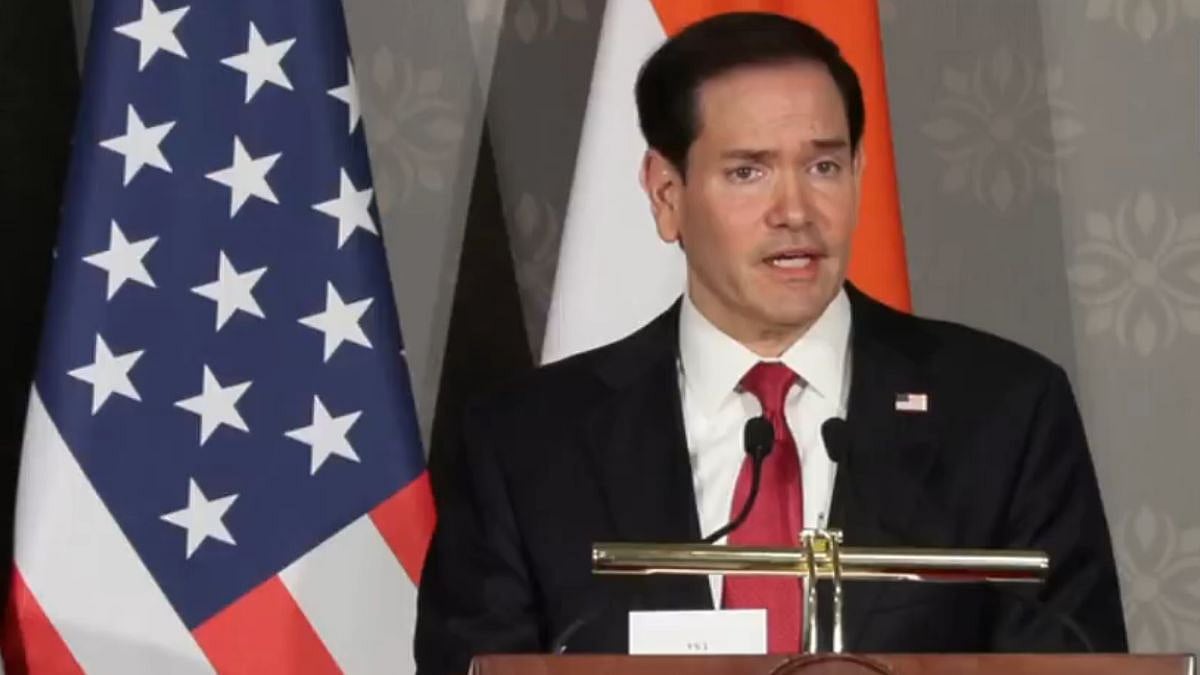
The United States has shifted its strategy towards Iran, with US Secretary of State Marco Rubio conveying to foreign counterparts that Washington does not plan to initiate new strikes against Iran for the time being. This change in approach indicates a move away from air operations and towards increased economic pressure and maritime measures against Tehran.
According to US officials, Rubio outlined the revised strategy during recent phone calls with allied foreign ministers. However, he did not rule out the possibility of strikes if Iran were to attack first. The new strategy will rely heavily on sanctions to burden Iran's economy, while maintaining pressure through a US naval blockade.
The US plans to impose secondary sanctions on foreign governments, companies, and financial institutions that continue to trade with Iran. This move is expected to further isolate Iran economically. The threat of these sanctions is a key component of the US strategy to pressure Iran into changing its behavior.
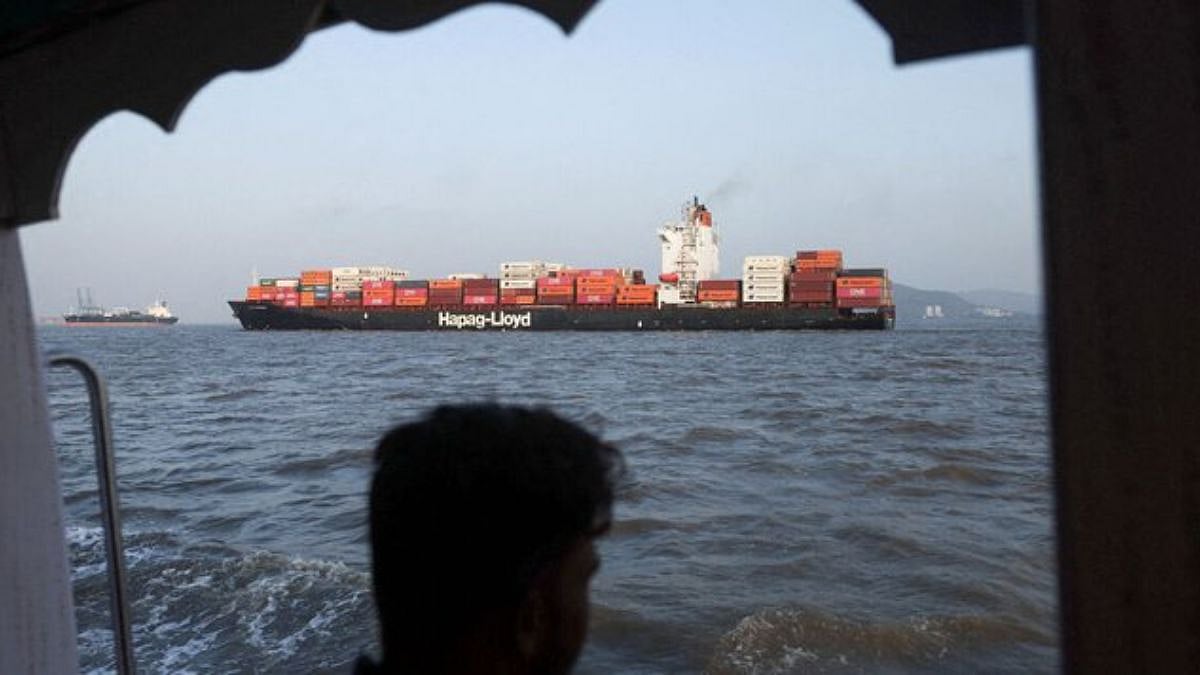
In recent weeks, the US has cleared mines from most of the Strait of Hormuz, allowing more tankers to move through the southern lane of the strait. This development has significantly reduced Iran's leverage over global energy markets, according to US officials. The Strait of Hormuz is a critical waterway for international oil trade, and Iran's ability to disrupt traffic through the strait has been a major concern for the US and its allies.
Meanwhile, Pakistan's army chief, Field Marshal Asim Munir, held talks with the Iranian leadership in Tehran on Sunday. Although the White House did not deny that President Trump spoke with Munir, it stated that there are no current or scheduled negotiations with Iran.
The US shift in strategy towards Iran comes as tensions between the two countries remain high. The US has been seeking to pressure Iran into changing its behavior, particularly with regards to its nuclear program and support for militant groups in the region. The new strategy is likely to be closely watched by US allies and adversaries alike, as it has significant implications for regional security and global energy markets.
The US decision to rule out new strikes against Iran for the time being may help to reduce tensions in the region, at least in the short term. However, the imposition of secondary sanctions and the maintenance of a naval blockade are likely to continue to put pressure on Iran's economy and leadership. As the situation continues to evolve, it remains to be seen how Iran will respond to the US shift in strategy.
In the broader context, the US approach towards Iran is part of a larger effort to address the challenges posed by Iran's behavior in the region. The US has been working with its allies to build a coalition to counter Iran's influence and to promote regional stability. The new strategy towards Iran is likely to be an important component of this effort, and its success will depend on the ability of the US and its allies to sustain pressure on Iran while also pursuing diplomatic efforts to resolve the underlying issues.
The significance of the US shift in strategy towards Iran cannot be overstated. It represents a major change in approach, one that is likely to have significant implications for regional security and global energy markets. As the situation continues to unfold, it will be important to closely watch the responses of Iran and other regional players to the US shift in strategy.
In conclusion, the US has shifted its strategy towards Iran, ruling out new strikes for the time being and focusing on sanctions and maritime pressure. This change in approach is likely to have significant implications for regional security and global energy markets, and it will be important to closely watch the responses of Iran and other regional players to the US shift in strategy.
Frequently asked questions
What is the new US strategy towards Iran?
The US has shifted its approach towards Iran, ruling out new strikes for the time being and focusing on sanctions and maritime pressure.
What are the implications of the US shift in strategy?
The new strategy is likely to have significant implications for regional security and global energy markets, and will be closely watched by US allies and adversaries alike.