US Limits Student Visa to 4 Years
New rule restricts academic flexibility, affects international students.
'%3E%3Crect%20width%3D'96'%20height%3D'96'%20fill%3D'%23B3261E'%2F%3E%3Ccircle%20cx%3D'30'%20cy%3D'24'%20r%3D'44'%20fill%3D'%23fff'%20opacity%3D'.12'%2F%3E%3Ccircle%20cx%3D'60'%20cy%3D'74'%20r%3D'40'%20fill%3D'%23000'%20opacity%3D'.10'%2F%3E%3C%2Fg%3E%3Cg%20fill%3D'%23fff'%3E%3Crect%20x%3D'29'%20y%3D'49'%20width%3D'8'%20height%3D'19'%20rx%3D'1'%2F%3E%3Crect%20x%3D'39'%20y%3D'40'%20width%3D'9'%20height%3D'28'%20rx%3D'1'%2F%3E%3Crect%20x%3D'50'%20y%3D'45'%20width%3D'8'%20height%3D'23'%20rx%3D'1'%2F%3E%3Crect%20x%3D'60'%20y%3D'53'%20width%3D'7'%20height%3D'15'%20rx%3D'1'%2F%3E%3Crect%20x%3D'41'%20y%3D'34'%20width%3D'5'%20height%3D'6'%2F%3E%3C%2Fg%3E%3C%2Fsvg%3E)
The United States government has introduced a new rule that limits the tenure of student visas to a fixed period of four years. This change is expected to impact international students, particularly those from countries with higher visa approval rates. Previously, student visas were granted for the duration of the course, allowing students to stay in the US until they completed their degree.
The new rule aims to bring consistency to the visa approval process, which was previously more flexible. However, this change is likely to restrict academic flexibility, as students will now have to reapply for a new visa if they wish to pursue additional courses or change their field of study.
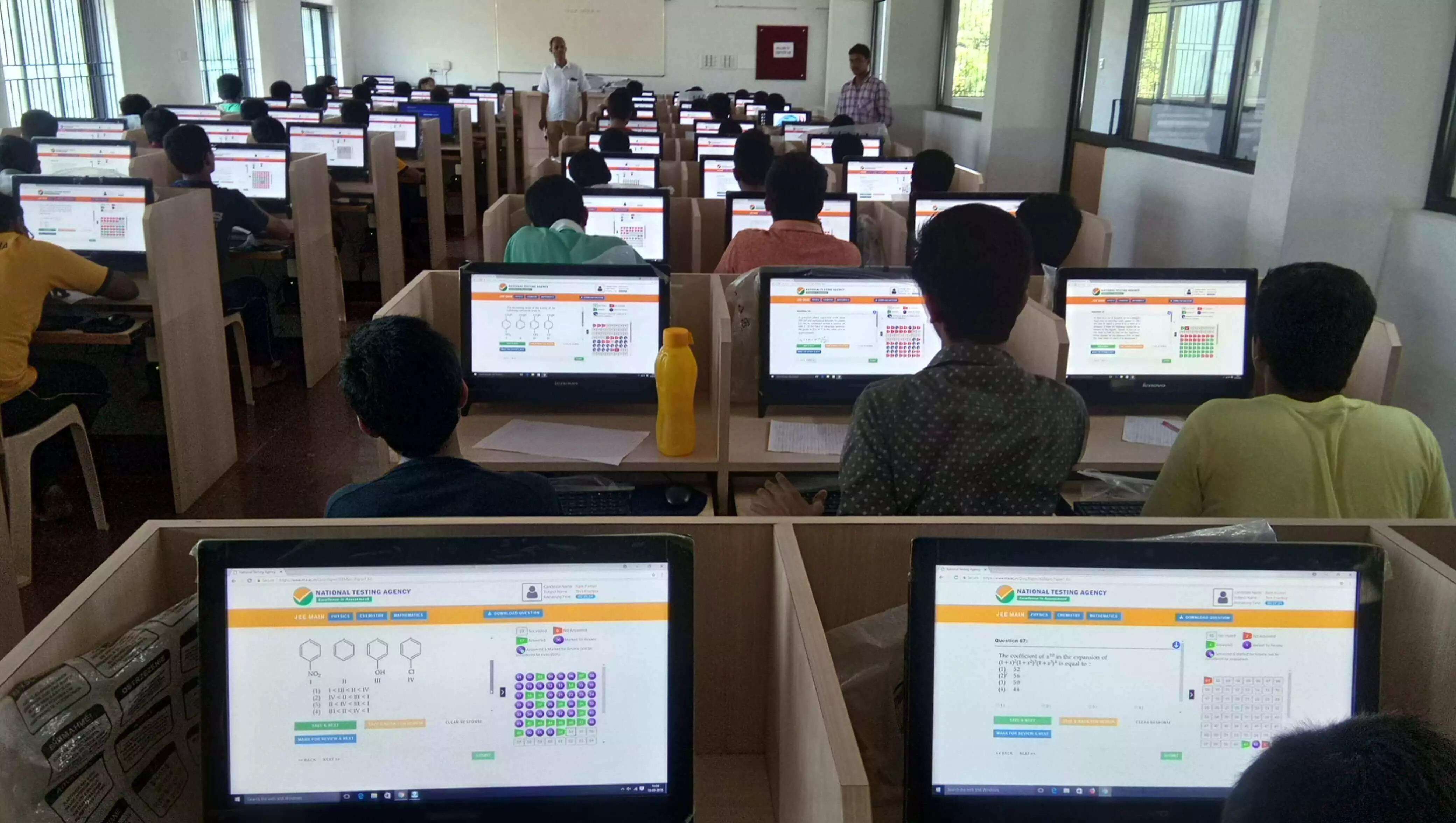
International students contribute significantly to the US economy, with many pursuing higher education in the country. The US is a popular destination for students from around the world, particularly those from India.
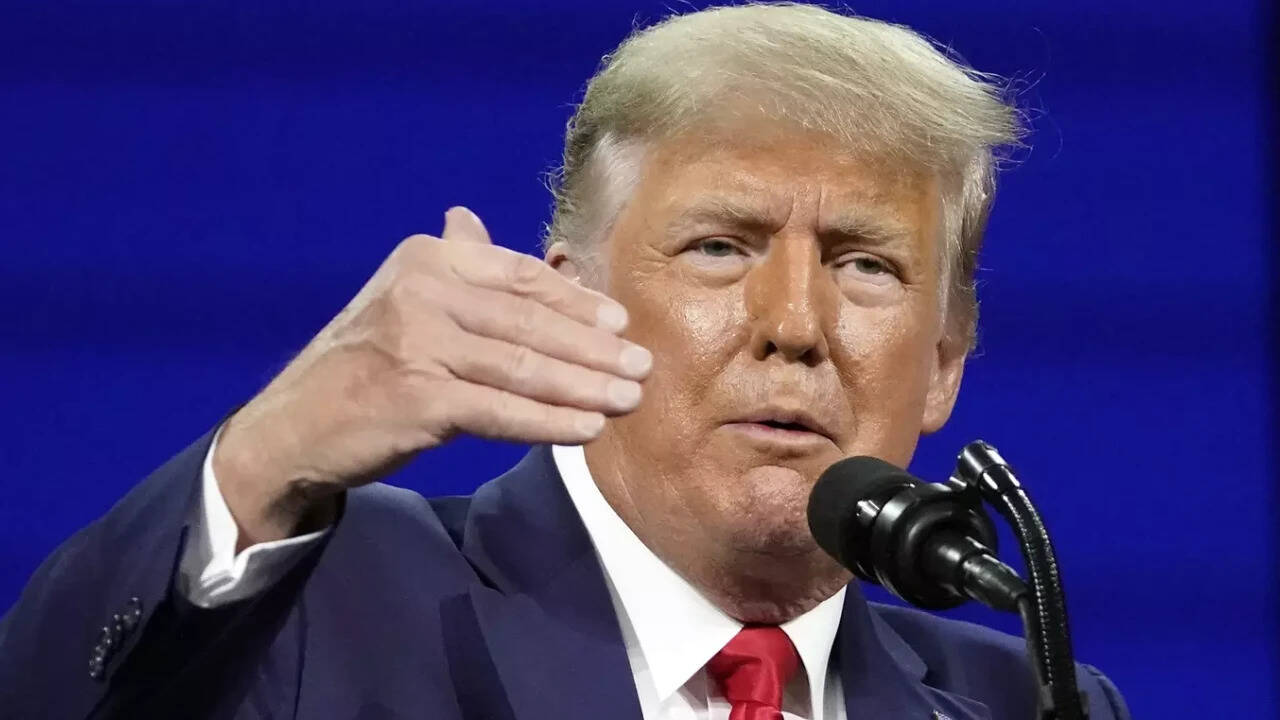
The new rule is part of a series of changes introduced by the Trump administration aimed at reforming the US immigration system. The administration has been working to reduce the number of immigrants entering the country, and this new rule is seen as part of that effort.
The impact of this change will be closely watched, particularly by universities and colleges that rely heavily on international students. Many of these institutions have already expressed concerns about the potential effects of the new rule on student enrollment and diversity.
In recent years, the US has seen a decline in international student enrollment, and this new rule may exacerbate the trend. The change is likely to affect not only students but also the broader US economy, as international students contribute to the country's economic growth.
The US immigration system has been the subject of much debate in recent years, with many arguing that it needs reform. While the Trump administration's efforts aim to address some of these issues, others argue that the changes will have unintended consequences, such as reducing the competitiveness of US universities.
As the new rule comes into effect, international students and universities will be closely monitoring its impact. The change is likely to be widely debated, with many arguing that it will restrict academic freedom and others seeing it as a necessary measure to ensure consistency in the visa approval process.
The US has always been a popular destination for international students, and this new rule may change that. As the country's immigration policies continue to evolve, it will be interesting to see how this change affects the flow of international students into the US.
In conclusion, the new rule introduced by the Trump administration is likely to have far-reaching consequences for international students and the US economy. While the aim is to bring consistency to the visa approval process, the change may restrict academic flexibility and impact the competitiveness of US universities.