China Rejects US AI Plea from Altman, Amodei
China dismisses US tech executives' AI warnings, calls it fearmongering.
'%3E%3Crect%20width%3D'96'%20height%3D'96'%20fill%3D'%234A235A'%2F%3E%3Ccircle%20cx%3D'30'%20cy%3D'24'%20r%3D'44'%20fill%3D'%23fff'%20opacity%3D'.12'%2F%3E%3Ccircle%20cx%3D'60'%20cy%3D'74'%20r%3D'40'%20fill%3D'%23000'%20opacity%3D'.10'%2F%3E%3C%2Fg%3E%3Cg%20fill%3D'none'%20stroke%3D'%23fff'%20stroke-width%3D'3'%3E%3Ccircle%20cx%3D'48'%20cy%3D'48'%20r%3D'16'%2F%3E%3Cellipse%20cx%3D'48'%20cy%3D'48'%20rx%3D'6.5'%20ry%3D'16'%2F%3E%3Cline%20x1%3D'32'%20y1%3D'42'%20x2%3D'64'%20y2%3D'42'%2F%3E%3Cline%20x1%3D'32'%20y1%3D'54'%20x2%3D'64'%20y2%3D'54'%2F%3E%3C%2Fg%3E%3C%2Fsvg%3E)
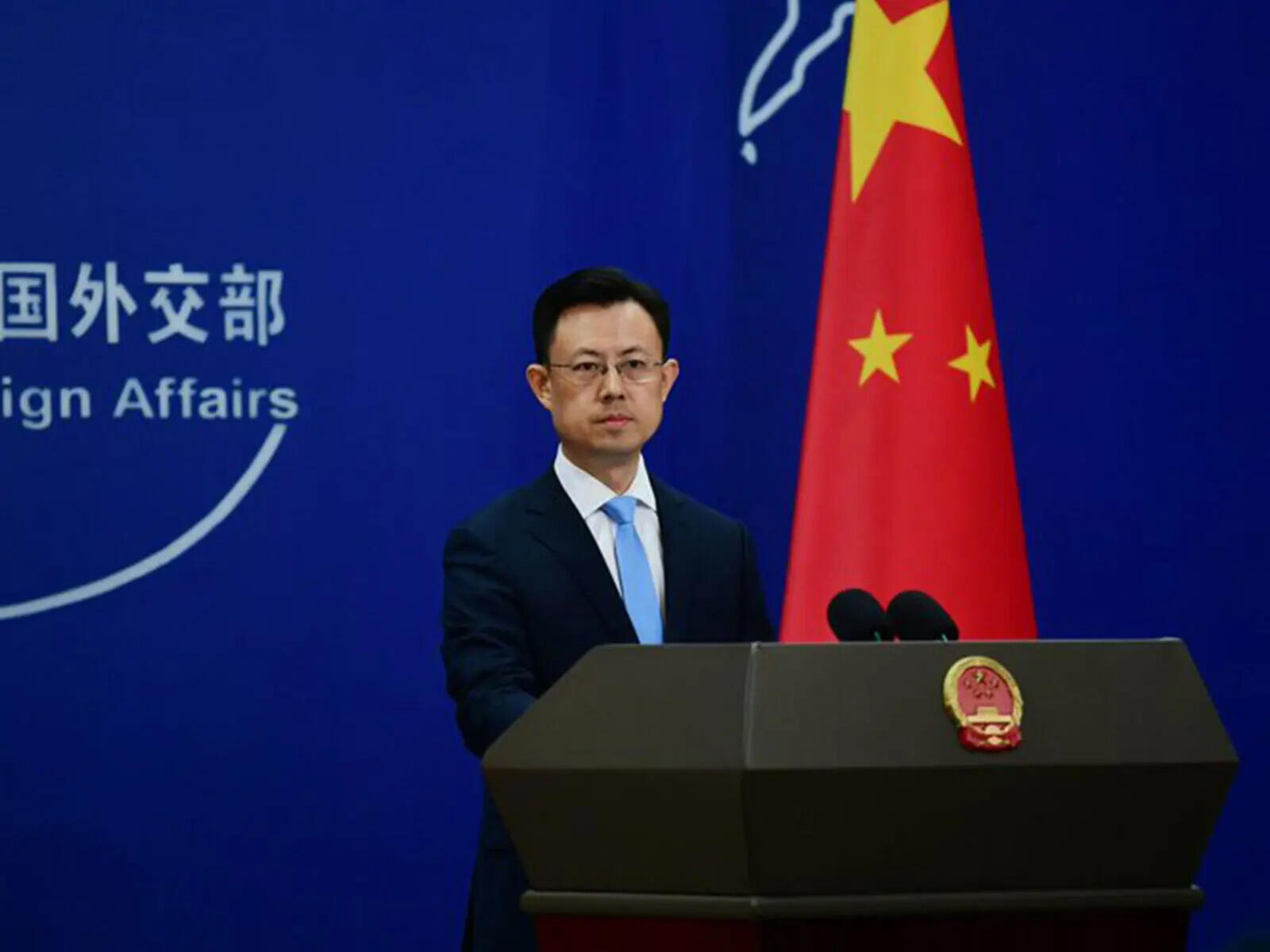
China has firmly rejected pleas from prominent American tech executives, including Sam Altman and Dario Amodei, to curb advancements in artificial intelligence. Chinese authorities have labelled such warnings as mere fearmongering and instead encouraged international collaboration, stressing the importance of keeping AI development accessible and advantageous for everyone.
The Chinese government's stance on AI development is in stark contrast to the warnings issued by Altman and Amodei, who have expressed concerns about the potential dangers of unregulated AI growth. However, state-run media in China have asserted that American leaders are leveraging safety issues to obstruct China's development, despite local officials recognizing potential dangers posed by automated technologies.
The Chinese government has emphasized the need for international cooperation in AI development, rather than restrictive measures. This approach is seen as a way to ensure that AI benefits are shared by all, rather than being controlled by a select few. The US, on the other hand, has been vocal about the need for regulations to prevent the misuse of AI.
The debate over AI regulation has been ongoing, with some experts warning of the potential risks of unregulated AI growth, while others see it as an opportunity for innovation and progress. The Chinese government's rejection of the US plea is likely to escalate tensions between the two countries, which are already competing in the field of AI.
China's AI industry has been growing rapidly in recent years, with the government investing heavily in research and development. The country has also made significant strides in areas such as natural language processing, computer vision, and robotics. However, the rapid growth of the industry has also raised concerns about job displacement, bias, and safety.
The international community is watching the developments in the AI sector closely, as the technology has the potential to transform numerous industries and aspects of life. The debate over regulation and cooperation is likely to continue, with different countries and stakeholders having varying opinions on the matter.
In the end, the Chinese government's rejection of the US plea highlights the complexities and challenges of regulating AI development. As the technology continues to evolve, it is likely that we will see more debates and discussions about the best way to harness its potential while minimizing its risks.
The implications of China's stance on AI development are far-reaching, and it remains to be seen how the situation will unfold. One thing is certain, however: the future of AI development will be shaped by the interactions and decisions of governments, industries, and experts from around the world.
The Chinese government's emphasis on international cooperation and accessibility in AI development is a significant aspect of the debate. By promoting collaboration and knowledge-sharing, China aims to ensure that the benefits of AI are shared by all, rather than being controlled by a select few. This approach is seen as a way to drive innovation and progress, while also addressing concerns about safety and regulation.
As the AI sector continues to grow and evolve, it is likely that we will see more discussions and debates about the best way to regulate and develop the technology. The Chinese government's rejection of the US plea is just one aspect of a larger conversation about the future of AI, and it remains to be seen how the situation will unfold.
In conclusion, the Chinese government's stance on AI development highlights the complexities and challenges of regulating the technology. By emphasizing international cooperation and accessibility, China aims to drive innovation and progress, while also addressing concerns about safety and regulation. The future of AI development will be shaped by the interactions and decisions of governments, industries, and experts from around the world.
The significance of this development cannot be overstated, as it has the potential to impact numerous industries and aspects of life. The AI sector is rapidly evolving, and it is likely that we will see more debates and discussions about the best way to harness its potential while minimizing its risks. As the international community continues to watch the developments in the AI sector closely, one thing is certain: the future of AI development will be shaped by the interactions and decisions of governments, industries, and experts from around the world.
What this means for Mumbai and India is that the country will need to navigate the complexities of AI development and regulation, while also ensuring that the benefits of the technology are shared by all. This will require careful consideration and cooperation between governments, industries, and experts, as well as a commitment to driving innovation and progress.
The Indian government has already taken steps to promote AI development and regulation, and it is likely that we will see more initiatives and investments in the sector in the coming years. As the AI sector continues to grow and evolve, it is essential that India remains at the forefront of the debate, ensuring that the benefits of the technology are shared by all, while also addressing concerns about safety and regulation.
In the end, the future of AI development will be shaped by the interactions and decisions of governments, industries, and experts from around the world. As India navigates the complexities of AI development and regulation, it is essential that the country remains committed to driving innovation and progress, while also ensuring that the benefits of the technology are shared by all.
Frequently asked questions
What is China's stance on AI development?
China emphasizes international cooperation and accessibility in AI development, rejecting US pleas for regulation.
Who are the US tech executives that pleaded for AI regulation?
Sam Altman and Dario Amodei are the US tech executives who pleaded for AI regulation, citing potential dangers of unregulated AI growth.