Glaciers Melting May Create 56000 New Lakes
Scientists warn of flooding risk, new lakes in previously frozen areas
'%3E%3Crect%20width%3D'96'%20height%3D'96'%20fill%3D'%23B3261E'%2F%3E%3Ccircle%20cx%3D'30'%20cy%3D'24'%20r%3D'44'%20fill%3D'%23fff'%20opacity%3D'.12'%2F%3E%3Ccircle%20cx%3D'60'%20cy%3D'74'%20r%3D'40'%20fill%3D'%23000'%20opacity%3D'.10'%2F%3E%3C%2Fg%3E%3Cg%20fill%3D'%23fff'%3E%3Crect%20x%3D'29'%20y%3D'49'%20width%3D'8'%20height%3D'19'%20rx%3D'1'%2F%3E%3Crect%20x%3D'39'%20y%3D'40'%20width%3D'9'%20height%3D'28'%20rx%3D'1'%2F%3E%3Crect%20x%3D'50'%20y%3D'45'%20width%3D'8'%20height%3D'23'%20rx%3D'1'%2F%3E%3Crect%20x%3D'60'%20y%3D'53'%20width%3D'7'%20height%3D'15'%20rx%3D'1'%2F%3E%3Crect%20x%3D'41'%20y%3D'34'%20width%3D'5'%20height%3D'6'%2F%3E%3C%2Fg%3E%3C%2Fsvg%3E)
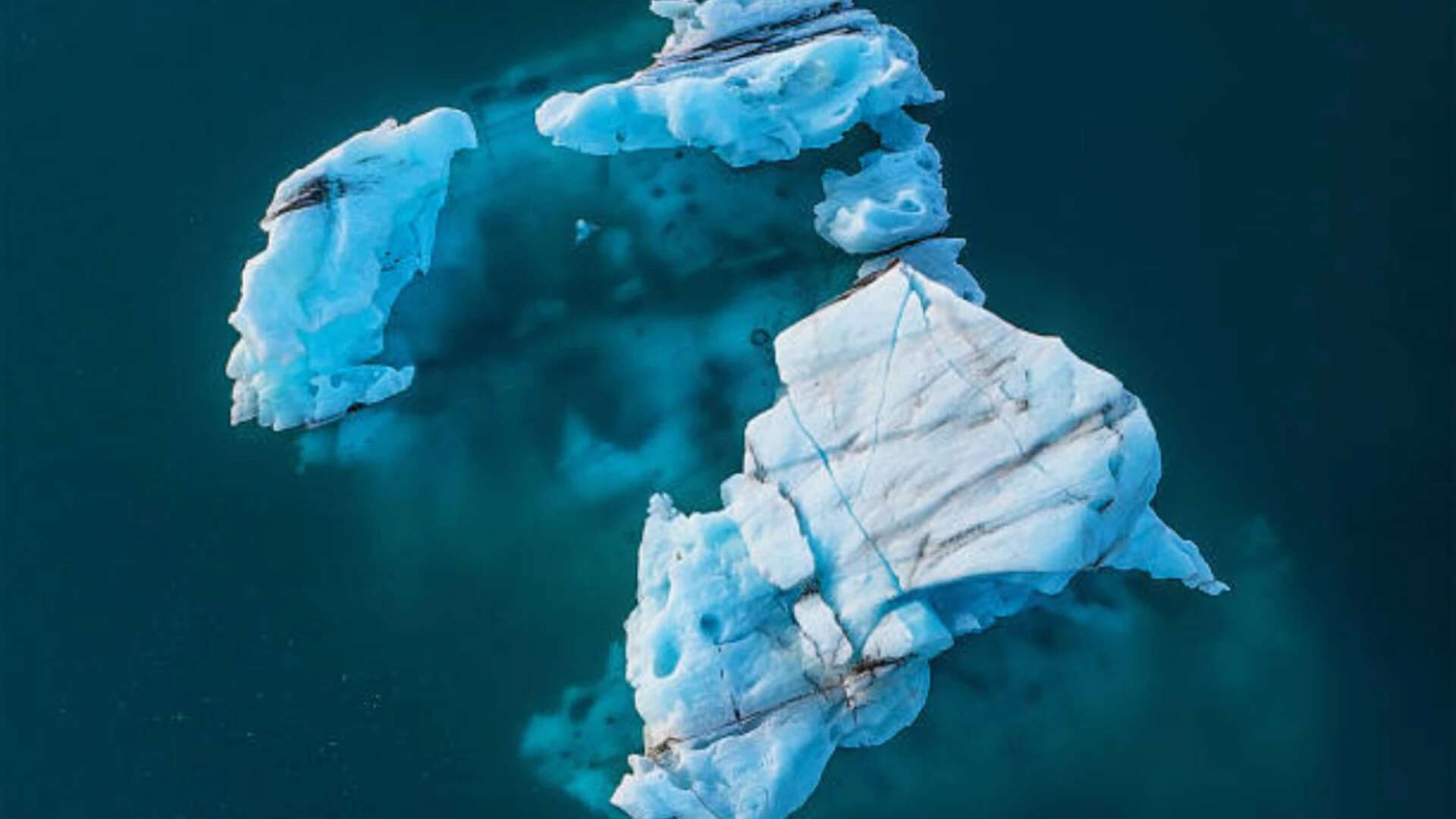
Scientists have warned that the melting of glaciers could lead to the creation of approximately 56,659 new lakes in areas that are currently completely frozen. This shocking conclusion was reached after researchers from Sweden, the US, Switzerland, and Norway mapped what lies beneath all the glaciers on the planet.
The study, published in Nature Communications, highlights the potential risks associated with the melting of glaciers. When part of the ice disappears, it could lead to an increase in the risk of flooding in several regions, including Asia, the Andes, Alaska, and the Arctic.
The researchers used advanced mapping techniques to determine what lies beneath the glaciers. Their findings suggest that the creation of new lakes could have significant implications for the environment and human populations in affected areas.
The melting of glaciers is a well-documented consequence of climate change. As global temperatures rise, the ice that covers a significant portion of the planet's surface is disappearing at an alarming rate. This has already led to an increase in sea levels and changes in weather patterns.
The creation of new lakes could also have a significant impact on local ecosystems. The introduction of new bodies of water could lead to changes in the distribution of plants and animals, and potentially even the creation of new habitats.
However, the risks associated with the melting of glaciers and the creation of new lakes are significant. Flooding is a major concern, as the sudden release of water from a glacier or lake could have devastating consequences for nearby communities.
The study's findings highlight the need for continued research into the impacts of climate change on the planet's glaciers. By understanding the potential consequences of the melting of glaciers, scientists and policymakers can work together to develop strategies for mitigating the effects of climate change.
The creation of new lakes is just one of the many potential consequences of the melting of glaciers. As the planet continues to warm, it is likely that we will see significant changes in the environment and ecosystems around the world.
In conclusion, the melting of glaciers could have significant implications for the planet, including the creation of new lakes and an increased risk of flooding. It is essential that we continue to monitor the situation and work towards reducing the impacts of climate change.
The study's findings are a stark reminder of the need for urgent action to address the issue of climate change. By working together, we can reduce the risks associated with the melting of glaciers and create a more sustainable future for our planet.
Frequently asked questions
How many new lakes could be created by melting glaciers?
Approximately 56659 new lakes could be created in areas currently completely frozen.
What are the potential risks associated with the melting of glaciers?
The melting of glaciers could increase the risk of flooding in several regions, including Asia, the Andes, Alaska, and the Arctic.