Cape Town Project Purifies 36,000L River Water Daily
Cape Town researchers transform polluted river water into clean irrigation water. The project helps residents grow food and offers a climate-resilience model.
'%3E%3Crect%20width%3D'96'%20height%3D'96'%20fill%3D'%23B3261E'%2F%3E%3Ccircle%20cx%3D'30'%20cy%3D'24'%20r%3D'44'%20fill%3D'%23fff'%20opacity%3D'.12'%2F%3E%3Ccircle%20cx%3D'60'%20cy%3D'74'%20r%3D'40'%20fill%3D'%23000'%20opacity%3D'.10'%2F%3E%3C%2Fg%3E%3Cg%20fill%3D'%23fff'%3E%3Crect%20x%3D'29'%20y%3D'49'%20width%3D'8'%20height%3D'19'%20rx%3D'1'%2F%3E%3Crect%20x%3D'39'%20y%3D'40'%20width%3D'9'%20height%3D'28'%20rx%3D'1'%2F%3E%3Crect%20x%3D'50'%20y%3D'45'%20width%3D'8'%20height%3D'23'%20rx%3D'1'%2F%3E%3Crect%20x%3D'60'%20y%3D'53'%20width%3D'7'%20height%3D'15'%20rx%3D'1'%2F%3E%3Crect%20x%3D'41'%20y%3D'34'%20width%3D'5'%20height%3D'6'%2F%3E%3C%2Fg%3E%3C%2Fsvg%3E)
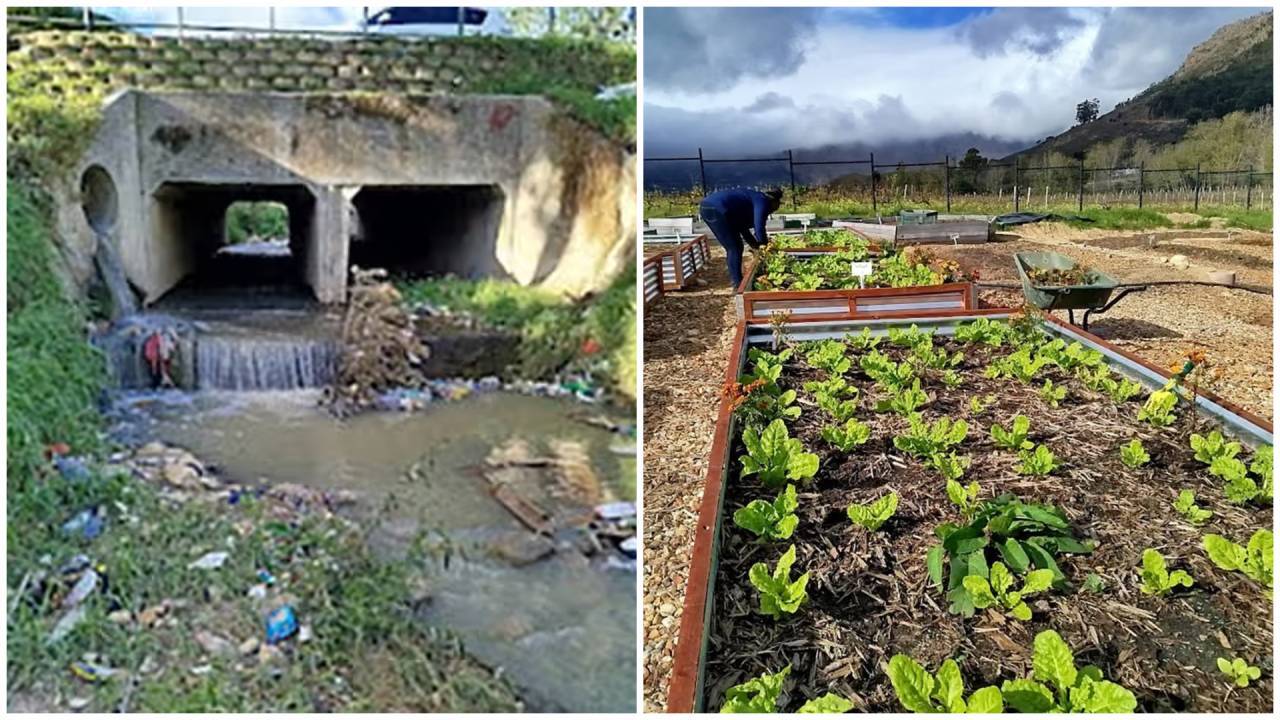
Researchers at the University of Cape Town have developed an innovative project to purify heavily polluted water from the Stiebeuel River in South Africa. The project, known as the Water Hub, uses a combination of stones, sand, and heat-treated wood to remove toxins from the water.
The Water Hub is an off-grid system that treats around 36,000 litres of water daily, removing approximately 99% of the toxins present in the river water. This clean water is then used for irrigation purposes, helping the residents of Langrug to grow their own food.
The project is not only providing a sustainable solution for the local community but also offers a potential model for climate resilience. The use of natural materials and off-grid technology makes it an attractive option for areas where access to clean water is limited.
The Stiebeuel River, like many other rivers in South Africa, is heavily polluted due to various human activities. The pollution has severe consequences for both the environment and human health. The Water Hub project is a significant step towards addressing this issue and providing clean water for irrigation purposes.
The University of Cape Town researchers behind the project aim to create a sustainable and replicable model that can be used in other areas facing similar challenges. The project's success has the potential to make a significant impact on the lives of people living in areas with limited access to clean water.
The Water Hub project is an example of how innovative thinking and technology can be used to address some of the world's most pressing environmental challenges. The use of natural materials and off-grid technology makes it a sustainable and climate-resilient solution.
In the context of South Africa, where water scarcity is a significant issue, the Water Hub project offers a promising solution. The project's ability to remove toxins from polluted water and provide clean irrigation water can help to improve food security and support local communities.
The success of the Water Hub project has significant implications for other areas facing similar challenges. The project's innovative approach to water purification and its potential for replication make it an attractive option for areas where access to clean water is limited.
In conclusion, the Cape Town project is a significant step towards addressing the issue of water pollution and providing clean water for irrigation purposes. The project's success has the potential to make a significant impact on the lives of people living in areas with limited access to clean water, and its innovative approach makes it a promising model for climate resilience.
Frequently asked questions
What is the Water Hub project in Cape Town?
The Water Hub project is an innovative initiative that transforms heavily polluted water from the Stiebeuel River into clean irrigation water using natural materials.
How much water does the Water Hub project purify daily?
The Water Hub project treats around 36,000 litres of water daily, removing approximately 99% of the toxins present in the river water.