Delhi CM Reviews Heatwave Protection Pilot For Schools
Delhi CM Rekha Gupta visits 'Heat Smart School' pilot, aims to shield students from extreme heat.
'%3E%3Crect%20width%3D'96'%20height%3D'96'%20fill%3D'%231A5276'%2F%3E%3Ccircle%20cx%3D'30'%20cy%3D'24'%20r%3D'44'%20fill%3D'%23fff'%20opacity%3D'.12'%2F%3E%3Ccircle%20cx%3D'60'%20cy%3D'74'%20r%3D'40'%20fill%3D'%23000'%20opacity%3D'.10'%2F%3E%3C%2Fg%3E%3Cg%20fill%3D'%23fff'%3E%3Cpath%20d%3D'M31%2041%20L48%2031%20L65%2041%20Z'%2F%3E%3Crect%20x%3D'33'%20y%3D'43'%20width%3D'4'%20height%3D'17'%2F%3E%3Crect%20x%3D'41'%20y%3D'43'%20width%3D'4'%20height%3D'17'%2F%3E%3Crect%20x%3D'51'%20y%3D'43'%20width%3D'4'%20height%3D'17'%2F%3E%3Crect%20x%3D'59'%20y%3D'43'%20width%3D'4'%20height%3D'17'%2F%3E%3Crect%20x%3D'30'%20y%3D'62'%20width%3D'36'%20height%3D'4'%20rx%3D'1'%2F%3E%3C%2Fg%3E%3C%2Fsvg%3E)
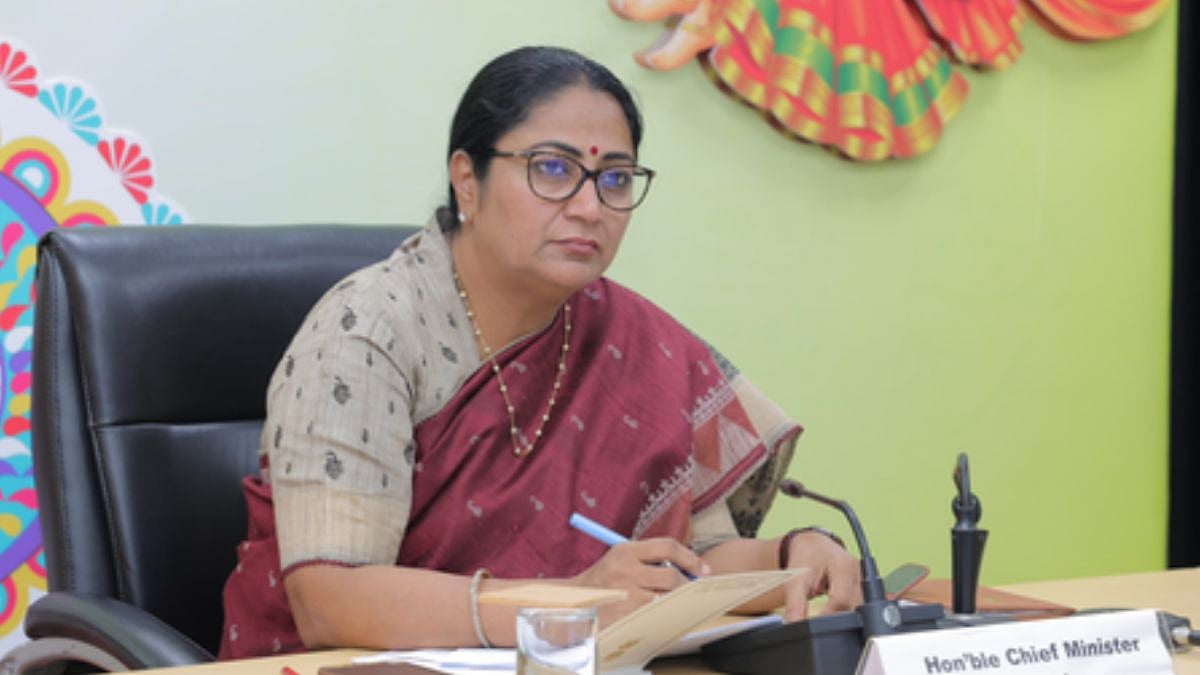
Delhi Chief Minister Rekha Gupta conducted a high-level visit to the 'Heat Smart School' pilot project at Sarvodaya Bal Vidyalaya in Shalimar Bagh on Wednesday. The visit aimed to review the project's effectiveness in protecting children from extreme heat and heatwaves in Delhi.
The 'Heat Smart School' pilot project was jointly organised by the District Administration, the National Disaster Management Authority (NDMA), and GIZ India. The delegation, which included NDMA Member Secretary Krishna S Vatsa and Central-North District Magistrate Shailendra Singh Parihar, inspected the school campus and reviewed various climate-responsive interventions.
These interventions included cool roofs, shaded corridors and waiting areas, improved drinking water facilities, and student-led awareness initiatives. The project also features heat safety information displays and participatory educational activities designed to reduce heat stress among children and promote a safe learning environment.
Chief Minister Rekha Gupta congratulated all departments and partner organisations associated with the 'Heat Smart School' pilot, stating that the safety and well-being of children is the Delhi Government's top priority. She expressed confidence that the model would be expanded to more schools across the Capital, playing a significant role in creating safe and climate-resilient learning environments.
The 'Heat Smart School' pilot project is a practical extension of the Delhi Heat Action Plan, which is being implemented under the leadership of Chief Minister Rekha Gupta. District Magistrate Shailendra Singh Parihar said that the initiative translates policy into practical, school-level interventions that help ensure children's safety while promoting climate-resilient educational institutions.
The project's success is crucial in the face of changing climatic conditions, which pose a significant threat to the health and well-being of children in Delhi. The Delhi Government's efforts to create a safe and climate-responsive learning environment for students are a step in the right direction.
The 'Heat Smart School' pilot project serves as a model for other schools in Delhi to follow, and its expansion to more schools across the Capital is expected to have a significant impact on the safety and well-being of children. The project's focus on climate-resilient educational institutions is also in line with the Delhi Government's commitment to creating a sustainable and resilient city.
In the context of rising temperatures and heatwaves in Delhi, the 'Heat Smart School' pilot project is a timely initiative that addresses the urgent need for climate-resilient educational institutions. The project's success will depend on the effective implementation of its interventions and the expansion of the model to more schools across the Capital.
The Delhi Government's efforts to protect children from extreme heat and heatwaves are a significant step towards creating a safe and healthy environment for students. The 'Heat Smart School' pilot project is a testament to the government's commitment to the well-being of children and its dedication to creating a sustainable and resilient city.
In conclusion, the 'Heat Smart School' pilot project is a crucial initiative that aims to protect children from extreme heat and heatwaves in Delhi. The project's success will have a significant impact on the safety and well-being of children, and its expansion to more schools across the Capital is expected to create a safe and climate-resilient learning environment for students.
The project's significance extends beyond the city of Delhi, as it serves as a model for other cities in India to follow. The 'Heat Smart School' pilot project is a reminder that climate change is a pressing issue that requires immediate attention and action. The Delhi Government's efforts to create a safe and climate-responsive learning environment for students are a step in the right direction, and its success will have a lasting impact on the well-being of children in Delhi and beyond.
What it means for the city is that the government is taking proactive steps to address the issue of heatwaves and their impact on children. This initiative will not only benefit the students but also contribute to the overall development of the city, making it a better place to live in.