NASA-Backed Scientists Turn Plastic Into Food
Scientists create edible proteins from plastic and farm waste. Microbites could address global food scarcity.
'%3E%3Crect%20width%3D'96'%20height%3D'96'%20fill%3D'%23B3261E'%2F%3E%3Ccircle%20cx%3D'30'%20cy%3D'24'%20r%3D'44'%20fill%3D'%23fff'%20opacity%3D'.12'%2F%3E%3Ccircle%20cx%3D'60'%20cy%3D'74'%20r%3D'40'%20fill%3D'%23000'%20opacity%3D'.10'%2F%3E%3C%2Fg%3E%3Cg%20fill%3D'%23fff'%3E%3Crect%20x%3D'29'%20y%3D'49'%20width%3D'8'%20height%3D'19'%20rx%3D'1'%2F%3E%3Crect%20x%3D'39'%20y%3D'40'%20width%3D'9'%20height%3D'28'%20rx%3D'1'%2F%3E%3Crect%20x%3D'50'%20y%3D'45'%20width%3D'8'%20height%3D'23'%20rx%3D'1'%2F%3E%3Crect%20x%3D'60'%20y%3D'53'%20width%3D'7'%20height%3D'15'%20rx%3D'1'%2F%3E%3Crect%20x%3D'41'%20y%3D'34'%20width%3D'5'%20height%3D'6'%2F%3E%3C%2Fg%3E%3C%2Fsvg%3E)
Researchers have made a groundbreaking discovery by transforming plastic bottles and farm waste into edible proteins and vitamins. This innovative process utilizes genetically engineered yeast to break down these materials into useful food components.
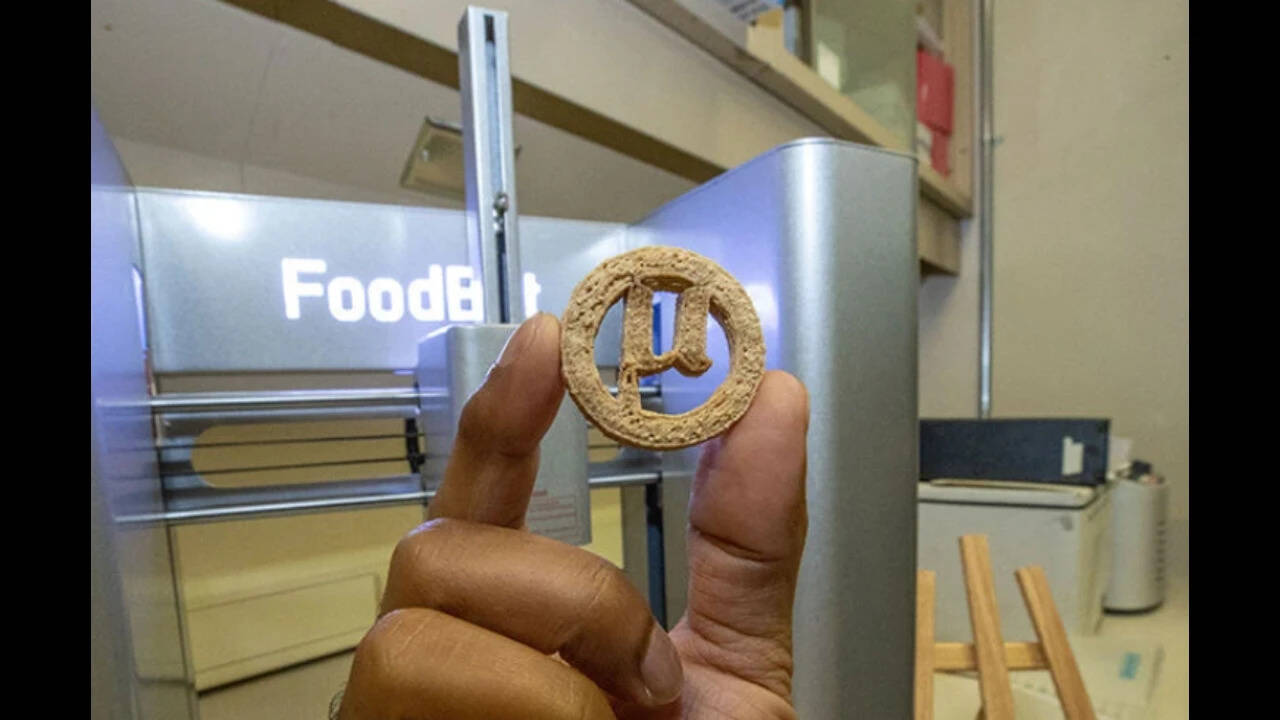
The project, backed by NASA, aims to address two major global issues: food scarcity and plastic pollution. The resulting edible product, nicknamed microbites, is shaped into small cookies.
According to scientists, this technology has the potential to be ready for widespread use within a few years. The microbites are a result of a complex process where the genetically engineered yeast breaks down the plastic and farm waste into proteins and vitamins.
This innovative solution could have a significant impact on global food production, especially in areas where resources are limited. The use of plastic and farm waste as raw materials could reduce the pressure on traditional food sources and help alleviate hunger.
The NASA-backed project is part of a larger effort to develop sustainable food systems for future space missions, including trips to Mars. The ability to produce food from recycled materials could be crucial for long-duration space travel.
In the context of global food scarcity, this technology could provide a viable solution for producing nutritious food in areas where access to traditional food sources is limited. The use of genetically engineered yeast to break down plastic and farm waste into edible proteins and vitamins is a significant breakthrough.
The potential applications of this technology are vast, ranging from addressing global food scarcity to providing sustainable food systems for space missions. As the world grapples with the challenges of plastic pollution and food insecurity, innovations like microbites offer a glimmer of hope for a more sustainable future.
In conclusion, the development of microbites is a significant step towards addressing global food scarcity and plastic pollution. With the potential to be ready for widespread use within a few years, this technology could have a profound impact on the way we produce and consume food, both on Earth and in space.
Frequently asked questions
What is the purpose of the NASA-backed project to turn plastic into food?
The project aims to address global food scarcity and plastic pollution by developing a sustainable food system for future space missions.
How do scientists produce the edible product called microbites?
Scientists use genetically engineered yeast to break down plastic bottles and farm waste into edible proteins and vitamins, which are then shaped into small cookies.