Rahul Gandhi Slams DU Over Jantar Mantar Advisory
Rahul Gandhi criticizes DU, Jantar Mantar protest advisory sparks controversy
'%3E%3Crect%20width%3D'96'%20height%3D'96'%20fill%3D'%231A5276'%2F%3E%3Ccircle%20cx%3D'30'%20cy%3D'24'%20r%3D'44'%20fill%3D'%23fff'%20opacity%3D'.12'%2F%3E%3Ccircle%20cx%3D'60'%20cy%3D'74'%20r%3D'40'%20fill%3D'%23000'%20opacity%3D'.10'%2F%3E%3C%2Fg%3E%3Cg%20fill%3D'%23fff'%3E%3Cpath%20d%3D'M31%2041%20L48%2031%20L65%2041%20Z'%2F%3E%3Crect%20x%3D'33'%20y%3D'43'%20width%3D'4'%20height%3D'17'%2F%3E%3Crect%20x%3D'41'%20y%3D'43'%20width%3D'4'%20height%3D'17'%2F%3E%3Crect%20x%3D'51'%20y%3D'43'%20width%3D'4'%20height%3D'17'%2F%3E%3Crect%20x%3D'59'%20y%3D'43'%20width%3D'4'%20height%3D'17'%2F%3E%3Crect%20x%3D'30'%20y%3D'62'%20width%3D'36'%20height%3D'4'%20rx%3D'1'%2F%3E%3C%2Fg%3E%3C%2Fsvg%3E)
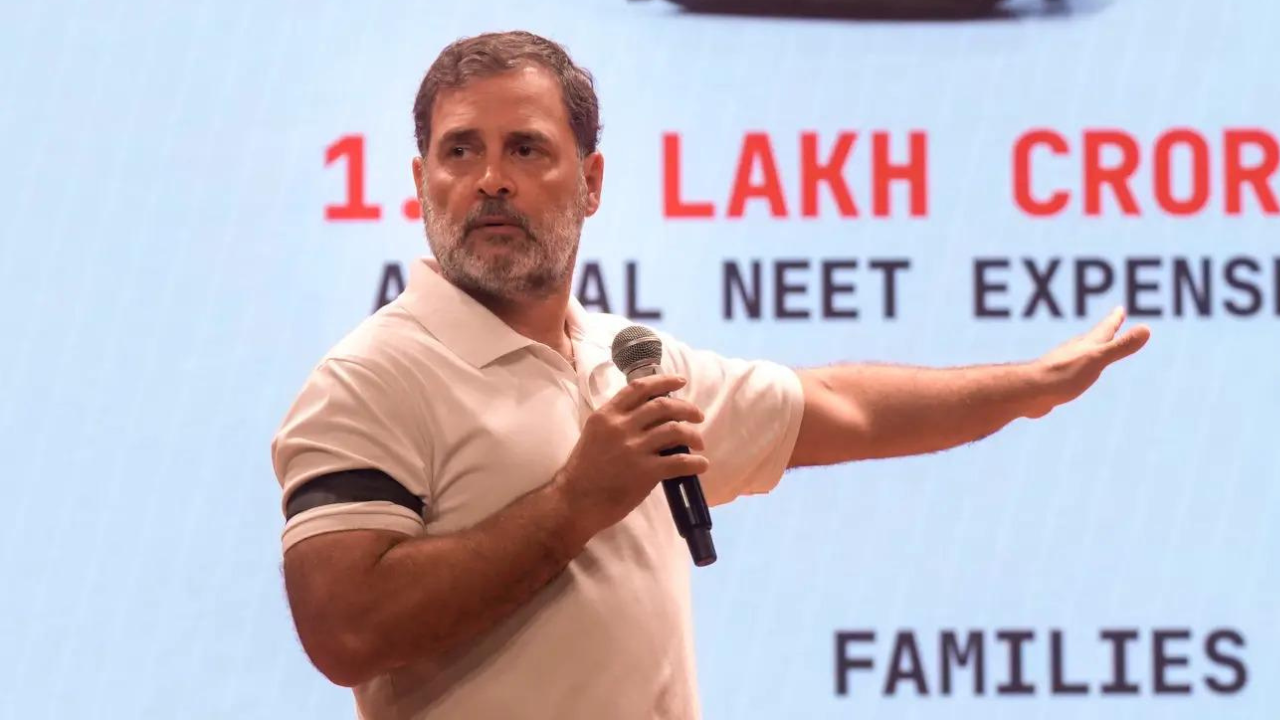
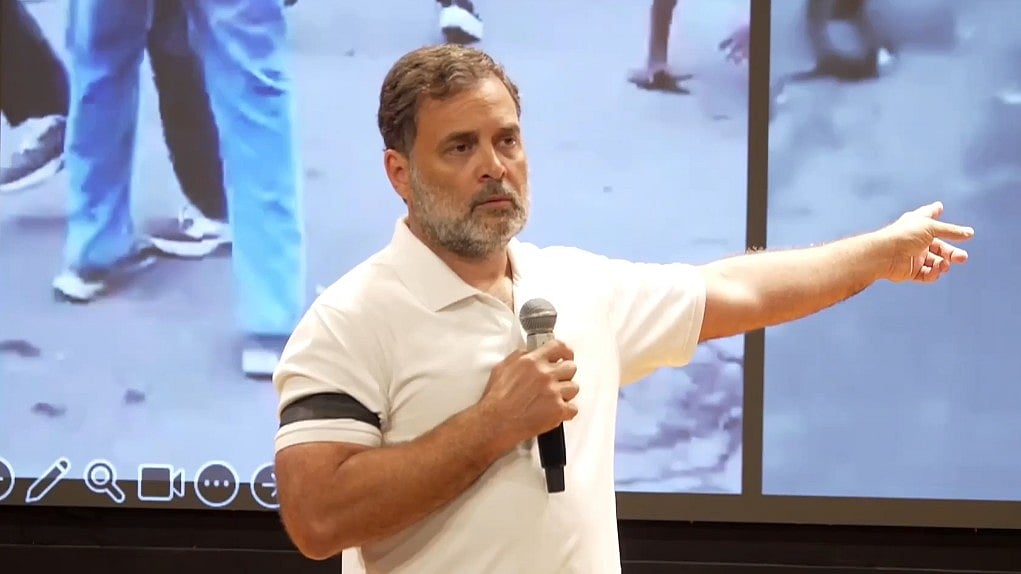
Rahul Gandhi, a prominent Indian politician, has strongly criticized the University of Delhi (DU) for issuing an advisory warning students against participating in protests at Jantar Mantar. The advisory, which was recently released, has sparked controversy and outrage among students and opposition leaders.
According to reports, the DU advisory cautioned students that participating in protests at Jantar Mantar could lead to disciplinary action, including rustication. This move has been seen as an attempt to stifle student activism and freedom of expression.
Rahul Gandhi, who is a member of the Indian National Congress, took to social media to express his outrage over the advisory. He questioned the university's authority to threaten students and asked how they dared to do so. Gandhi's statement has been widely shared and supported by students, teachers, and opposition leaders.
The Jantar Mantar protest site has been a hub for student activism and demonstrations in recent years. Students from various universities, including DU, have gathered at the site to protest against various issues, including fee hikes, discrimination, and government policies.
The DU advisory has been criticized for being an attack on student freedom and autonomy. Many have argued that universities should be a space for debate, discussion, and dissent, rather than a place where students are silenced and threatened.
The controversy surrounding the DU advisory has sparked a wider debate about the role of universities in promoting student activism and freedom of expression. While some have argued that universities have a responsibility to maintain discipline and order, others have argued that this should not come at the cost of stifling student voices and dissent.
In recent years, there have been several instances of student protests and demonstrations being suppressed or restricted by universities and authorities. This has led to concerns about the erosion of democratic values and the suppression of dissenting voices in India.
The DU advisory has been seen as a part of this larger trend, and Rahul Gandhi's criticism has been welcomed by many as a stand against the suppression of student activism. As the controversy continues to unfold, it remains to be seen how the university will respond to the criticism and whether the advisory will be withdrawn.
In the meantime, students and opposition leaders continue to protest and speak out against the advisory, arguing that it is an attack on their fundamental rights and freedoms. The issue has sparked a wider debate about the role of universities in promoting democracy and freedom of expression, and it is likely to continue to be a topic of discussion and controversy in the days to come.
The incident has significant implications for the future of student activism in India, and it highlights the need for universities to balance discipline and order with the need to promote freedom of expression and dissent. As the situation continues to evolve, it is likely that there will be further developments and reactions from students, teachers, and opposition leaders.
In conclusion, the controversy surrounding the DU advisory has sparked a wider debate about the role of universities in promoting student activism and freedom of expression. Rahul Gandhi's criticism has been welcomed by many, and it remains to be seen how the university will respond to the criticism and whether the advisory will be withdrawn.
Frequently asked questions
What is the DU advisory about?
The DU advisory warns students against participating in protests at Jantar Mantar, threatening disciplinary action.
Why is Rahul Gandhi criticizing the DU advisory?
Rahul Gandhi is criticizing the DU advisory because he believes it is an attack on student freedom and autonomy.