SC Rejects Moitra's Virtual Probe Plea
SC denies virtual investigation, Krishnanagar MP to join in person. Moitra's plea rejected.
'%3E%3Crect%20width%3D'96'%20height%3D'96'%20fill%3D'%231A5276'%2F%3E%3Ccircle%20cx%3D'30'%20cy%3D'24'%20r%3D'44'%20fill%3D'%23fff'%20opacity%3D'.12'%2F%3E%3Ccircle%20cx%3D'60'%20cy%3D'74'%20r%3D'40'%20fill%3D'%23000'%20opacity%3D'.10'%2F%3E%3C%2Fg%3E%3Cg%20fill%3D'%23fff'%3E%3Cpath%20d%3D'M31%2041%20L48%2031%20L65%2041%20Z'%2F%3E%3Crect%20x%3D'33'%20y%3D'43'%20width%3D'4'%20height%3D'17'%2F%3E%3Crect%20x%3D'41'%20y%3D'43'%20width%3D'4'%20height%3D'17'%2F%3E%3Crect%20x%3D'51'%20y%3D'43'%20width%3D'4'%20height%3D'17'%2F%3E%3Crect%20x%3D'59'%20y%3D'43'%20width%3D'4'%20height%3D'17'%2F%3E%3Crect%20x%3D'30'%20y%3D'62'%20width%3D'36'%20height%3D'4'%20rx%3D'1'%2F%3E%3C%2Fg%3E%3C%2Fsvg%3E)
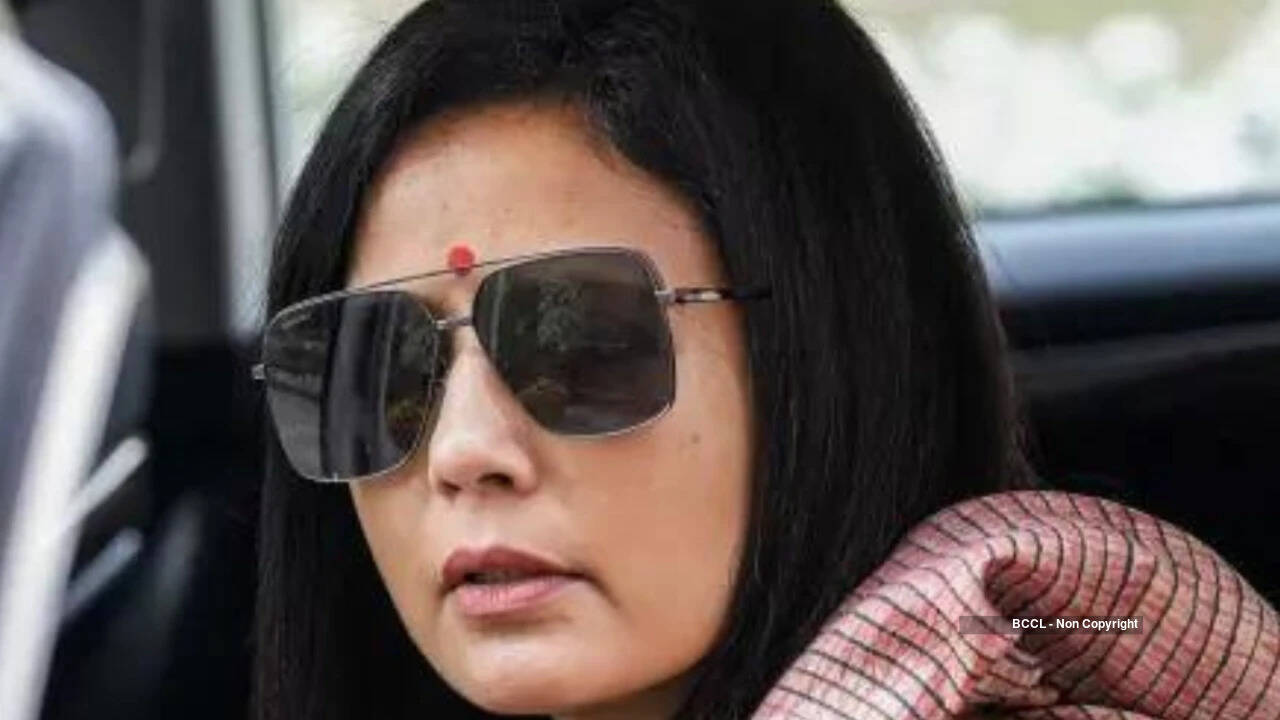
The Supreme Court has refused to intervene in the investigation against Krishnanagar MP Mahua Moitra, directing her to join the probe in person.
The decision was made by a bench of Justices Dipankar Datta and Sheel Nagu, who stated that they were not inclined to interfere with the high court's direction.
Senior advocate Gopal Sankaranarayanan, representing Moitra, argued that she should be allowed to appear before the investigating officer virtually, citing her entitlement under the law.
However, the court rejected this plea, emphasizing the importance of in-person investigation.
The case against Moitra is currently underway, with the high court having previously directed her to join the investigation.
The Supreme Court's decision is a significant development in the case, highlighting the court's stance on virtual investigations.
In making their decision, the justices referenced the sacrifices made by freedom fighters, noting that they took bullets to the chest for the country's freedom.
This comment suggests that the court values the importance of in-person participation in the investigation, drawing a parallel between the sacrifices of freedom fighters and the responsibilities of public figures like Moitra.
The investigation against Moitra will now proceed with her in-person participation, as directed by the high court and upheld by the Supreme Court.
The outcome of this case will be closely watched, as it sets a precedent for the conduct of investigations against public figures in India.
The Supreme Court's decision reflects the judiciary's commitment to upholding the law and ensuring that investigations are conducted in a fair and transparent manner.
In the context of Indian politics, this case highlights the importance of accountability and the need for public figures to cooperate with investigations.
The case against Moitra is a reminder that public figures are not above the law and must comply with investigative procedures, even if it requires in-person participation.
Frequently asked questions
Why did the Supreme Court reject Mahua Moitra's plea for virtual investigation?
The Supreme Court rejected Moitra's plea because it was not inclined to interfere with the high court's direction, emphasizing the importance of in-person investigation.
What was the high court's direction regarding Mahua Moitra's investigation?
The high court directed Moitra to join the investigation in person, which was upheld by the Supreme Court.