Crude Oil Surges Above $91 Amid US-Iran Conflict
Crude oil prices jump 4% as US-Iran tensions escalate, supply fears grow. Brent crude hits $91.41 per barrel.
'%3E%3Crect%20width%3D'96'%20height%3D'96'%20fill%3D'%234A235A'%2F%3E%3Ccircle%20cx%3D'30'%20cy%3D'24'%20r%3D'44'%20fill%3D'%23fff'%20opacity%3D'.12'%2F%3E%3Ccircle%20cx%3D'60'%20cy%3D'74'%20r%3D'40'%20fill%3D'%23000'%20opacity%3D'.10'%2F%3E%3C%2Fg%3E%3Cg%20fill%3D'none'%20stroke%3D'%23fff'%20stroke-width%3D'3'%3E%3Ccircle%20cx%3D'48'%20cy%3D'48'%20r%3D'16'%2F%3E%3Cellipse%20cx%3D'48'%20cy%3D'48'%20rx%3D'6.5'%20ry%3D'16'%2F%3E%3Cline%20x1%3D'32'%20y1%3D'42'%20x2%3D'64'%20y2%3D'42'%2F%3E%3Cline%20x1%3D'32'%20y1%3D'54'%20x2%3D'64'%20y2%3D'54'%2F%3E%3C%2Fg%3E%3C%2Fsvg%3E)
Crude oil prices saw a significant surge on Monday, with Brent crude futures climbing nearly 4% to cross $91 per barrel during early trading. This increase was driven by the latest escalation in the US-Iran conflict, which has sparked growing concerns over potential disruptions to global energy supplies.
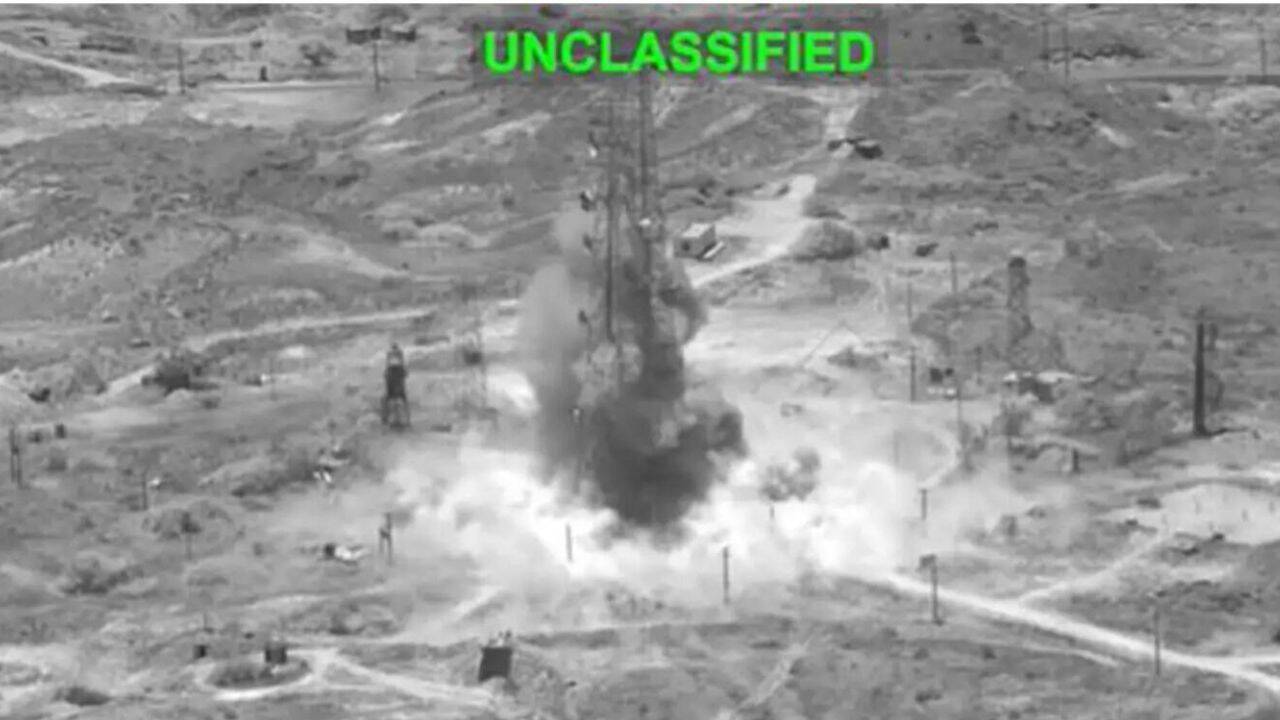
The US Central Command confirmed that it carried out another round of strikes against Iranian targets on July 19, marking the ninth consecutive military strike. As a result, Brent crude rose to $91.41 per barrel on Monday, compared to the previous close of $88.10 per barrel. Later in the session, prices remained elevated, trading around $90.40 per barrel.
The increase in crude prices is largely attributed to fears that the conflict could affect key oil supply routes, particularly the Strait of Hormuz. This strategic waterway is one of the world’s most important energy shipping corridors, and any disruption to traffic through it could impact global oil availability and push prices higher.
Market participants are closely monitoring developments between Washington and Tehran, with oil prices increasingly reacting to geopolitical events rather than traditional demand and supply factors. Analysts have warned that if tensions continue without a permanent peace agreement, the conflict could further weaken market sentiment and increase volatility across global financial markets.
In recent weeks, Brent crude has gained significantly, rising around 8.5% over the past five trading sessions and about 13% in the last month. This increase is largely due to renewed military exchanges between the US and Iran. While prices have remained largely stable over a three-month period, crude has climbed nearly 40% over the past six months.
The US benchmark West Texas Intermediate (WTI) crude also moved higher, gaining around 2.3% to $83.73 per barrel. Investors are expected to closely track further developments in the West Asia conflict, particularly any action affecting oil production or shipping through the Strait of Hormuz.
The ongoing conflict between the US and Iran has significant implications for the global energy market. The Strait of Hormuz is a critical chokepoint for oil shipments, with approximately 20% of the world’s oil supply passing through it. Any disruption to traffic through this waterway could have far-reaching consequences for the global economy.
As the situation continues to unfold, market participants will be closely watching for any signs of escalation or de-escalation. The potential for further conflict and the resulting impact on global energy supplies will likely remain a major concern for investors and consumers alike.
In the context of the global energy market, the US-Iran conflict is just one of several factors that can impact oil prices. However, the current situation is particularly significant due to the critical role that the Strait of Hormuz plays in global oil shipments. As such, any developments in the conflict will be closely monitored by market participants and could have significant implications for the global economy.
The surge in crude oil prices has already had an impact on the Indian stock market, with the Sensex falling over 600 points and the Nifty down 0.6% on Monday. The increase in crude prices is likely to have a ripple effect on the economy, with potential implications for inflation, economic growth, and consumer spending.
In conclusion, the surge in crude oil prices amid the US-Iran conflict is a significant development that will be closely watched by market participants and consumers alike. The potential for further conflict and the resulting impact on global energy supplies will likely remain a major concern, and any developments in the situation will be closely monitored for their implications on the global economy.