Karnataka HC Seeks Recovery of ₹5 Lakh Grant to De-Recognised Madrasa
Karnataka HC directs state govt to recover ₹5 lakh grant, submit report by Sep 24
'%3E%3Crect%20width%3D'96'%20height%3D'96'%20fill%3D'%231A5276'%2F%3E%3Ccircle%20cx%3D'30'%20cy%3D'24'%20r%3D'44'%20fill%3D'%23fff'%20opacity%3D'.12'%2F%3E%3Ccircle%20cx%3D'60'%20cy%3D'74'%20r%3D'40'%20fill%3D'%23000'%20opacity%3D'.10'%2F%3E%3C%2Fg%3E%3Cg%20fill%3D'%23fff'%3E%3Cpath%20d%3D'M31%2041%20L48%2031%20L65%2041%20Z'%2F%3E%3Crect%20x%3D'33'%20y%3D'43'%20width%3D'4'%20height%3D'17'%2F%3E%3Crect%20x%3D'41'%20y%3D'43'%20width%3D'4'%20height%3D'17'%2F%3E%3Crect%20x%3D'51'%20y%3D'43'%20width%3D'4'%20height%3D'17'%2F%3E%3Crect%20x%3D'59'%20y%3D'43'%20width%3D'4'%20height%3D'17'%2F%3E%3Crect%20x%3D'30'%20y%3D'62'%20width%3D'36'%20height%3D'4'%20rx%3D'1'%2F%3E%3C%2Fg%3E%3C%2Fsvg%3E)

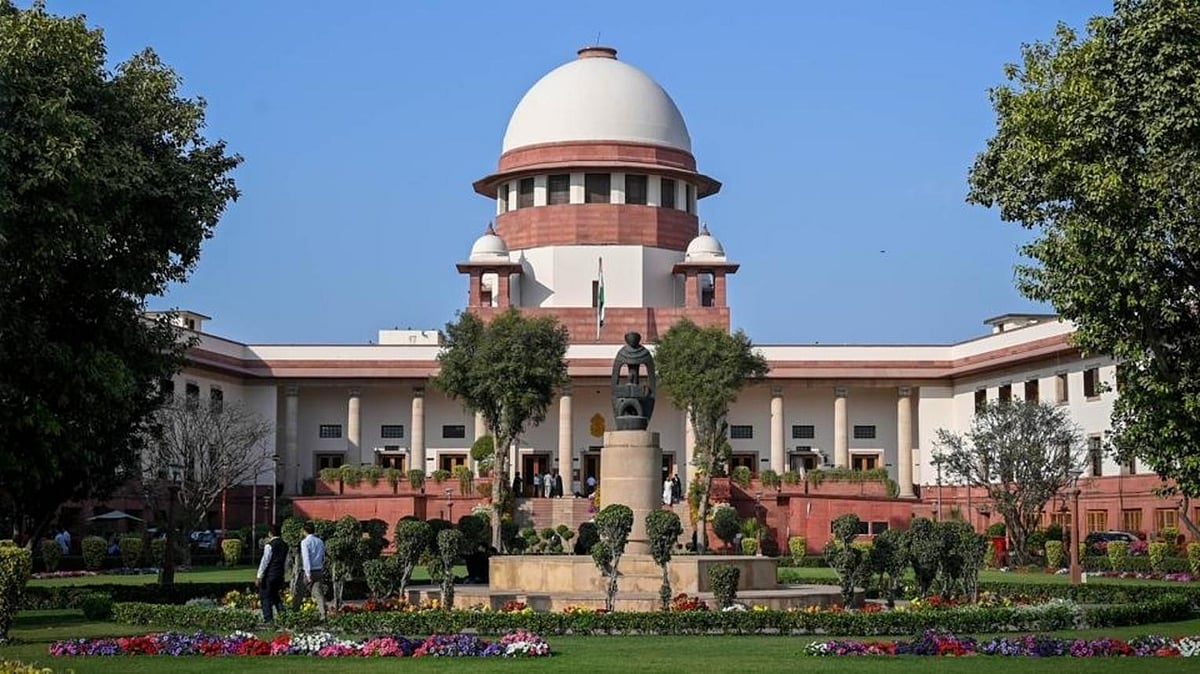
The Karnataka High Court has directed the state government to submit an action taken report on recovering a ₹5 lakh grant allotted to a de-recognised Madrasa in Bengaluru. The Madrasa, run by Saamara International Islamic School at Thanisandra, was de-recognised by the Education Department.
The Division Bench, comprising Justice Jayanth Banarjee and Justice T M Nadaf, has asked the Karnataka Minority Welfare Department to submit the report by September 24. This development comes after the court had earlier ruled that the Madrasa was not eligible to receive government funding due to its de-recognised status.
In September 2025, the Division Bench, comprising Chief Justice Vibhu Bukru and Justice C M Joshi, had directed the Minority Welfare Department to recover the ₹5 lakh grant. The department had allotted the grant to the Madrasa, despite its de-recognised status.
The Additional Government Advocate, M N Melinamani, had filed an affidavit stating that the institution was running educational institutions in Bengaluru under different names. The Commissioner, Department of Education and Literacy, had scrutinised the institution and investigated complaints regarding illegalities and running of institutions under different management names.
After a thorough enquiry, the Department of School Education had withdrawn the recognition of the Madrasa. The Al Jamia Mohamadiyah Education Society had challenged the School Education and Literacy Commissioner's order in the Karnataka High Court, but the petition was dismissed.
The Karnataka High Court's latest directive is a follow-up to its earlier order, seeking to ensure that the state government recovers the grant from the de-recognised Madrasa. The court has given the Minority Welfare Department a deadline of September 24 to submit the action taken report.
The case highlights the importance of ensuring that government grants are utilised effectively and that institutions meet the necessary criteria to receive funding. The Karnataka High Court's intervention is aimed at promoting transparency and accountability in the allocation of government grants.
The state government's response to the court's directive will be crucial in determining the next course of action. The submission of the action taken report by September 24 will provide clarity on the steps taken by the government to recover the grant.
In the context of Karnataka's education sector, this case underscores the need for stringent oversight and monitoring of government grants. The state government must ensure that institutions meet the necessary criteria and adhere to regulatory requirements to receive funding.
The outcome of this case will have significant implications for the state's education sector, particularly with regards to the allocation and utilisation of government grants. The Karnataka High Court's decision will set a precedent for ensuring that government grants are utilised effectively and that institutions are held accountable for their actions.
In conclusion, the Karnataka High Court's directive to recover the ₹5 lakh grant from the de-recognised Madrasa is a significant development in the state's education sector. The case highlights the importance of transparency, accountability, and effective utilisation of government grants. The state government's response to the court's directive will be closely watched, and the outcome of this case will have far-reaching implications for the state's education sector.
Frequently asked questions
Why was the Madrasa de-recognised by the Education Department?
The Madrasa was de-recognised due to complaints regarding illegalities and running of institutions under different management names.
What is the next step in the case?
The Minority Welfare Department is required to submit an action taken report on recovering the grant by September 24.