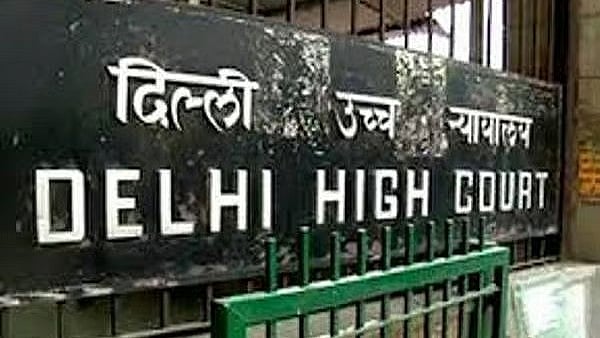
Delhi HC Seeks Response on Police Brutality Allegations
Delhi HC acts on pleas over alleged police brutality. Next hearing set for September 11.
'%3E%3Crect%20width%3D'96'%20height%3D'96'%20fill%3D'%231A5276'%2F%3E%3Ccircle%20cx%3D'30'%20cy%3D'24'%20r%3D'44'%20fill%3D'%23fff'%20opacity%3D'.12'%2F%3E%3Ccircle%20cx%3D'60'%20cy%3D'74'%20r%3D'40'%20fill%3D'%23000'%20opacity%3D'.10'%2F%3E%3C%2Fg%3E%3Cg%20fill%3D'%23fff'%3E%3Cpath%20d%3D'M31%2041%20L48%2031%20L65%2041%20Z'%2F%3E%3Crect%20x%3D'33'%20y%3D'43'%20width%3D'4'%20height%3D'17'%2F%3E%3Crect%20x%3D'41'%20y%3D'43'%20width%3D'4'%20height%3D'17'%2F%3E%3Crect%20x%3D'51'%20y%3D'43'%20width%3D'4'%20height%3D'17'%2F%3E%3Crect%20x%3D'59'%20y%3D'43'%20width%3D'4'%20height%3D'17'%2F%3E%3Crect%20x%3D'30'%20y%3D'62'%20width%3D'36'%20height%3D'4'%20rx%3D'1'%2F%3E%3C%2Fg%3E%3C%2Fsvg%3E)
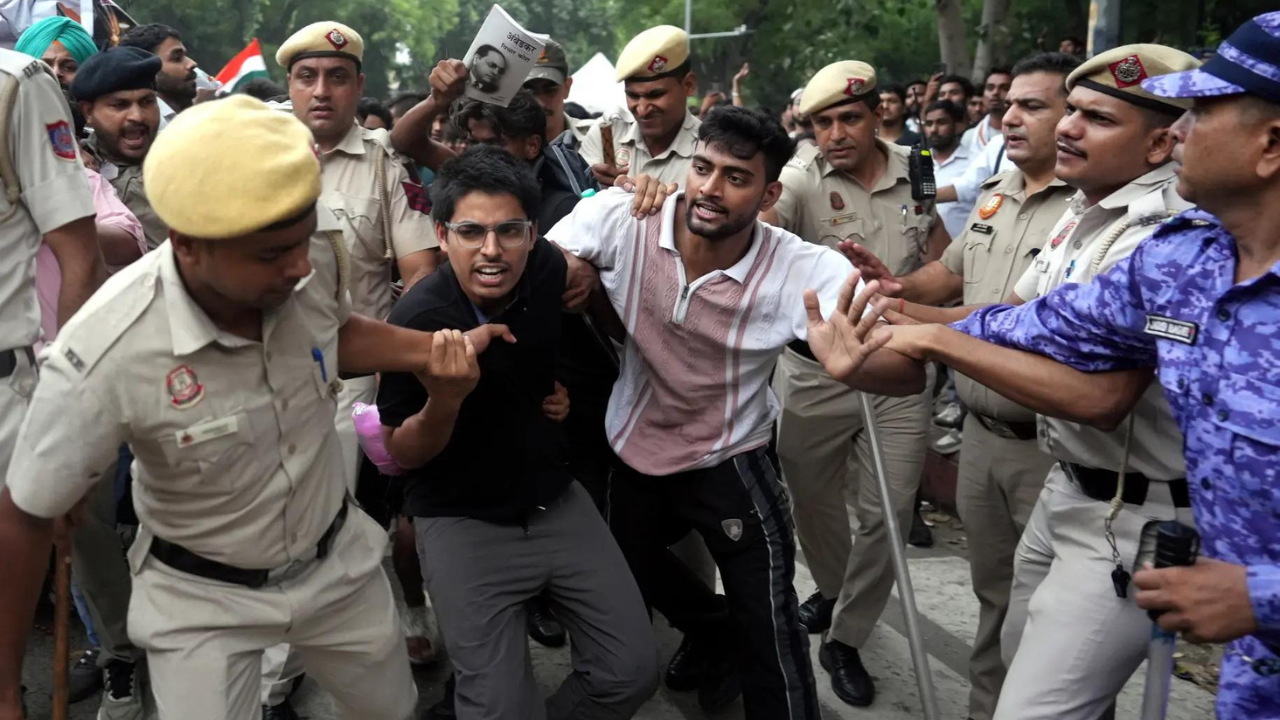
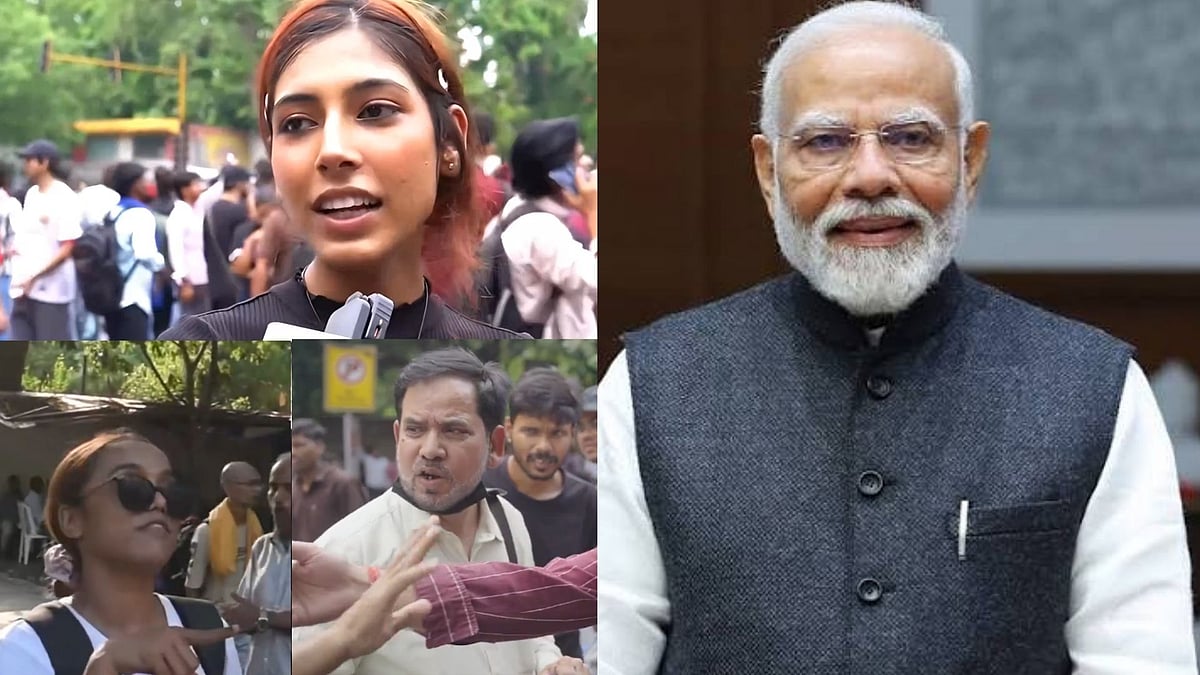
The Delhi High Court has issued a notice to the Delhi government, seeking its response to petitions alleging police brutality against students during a recent march organized by the Citizens for Justice and Peace (CJP).
The court's decision was made on Wednesday, following the filing of petitions that claimed excessive force was used by police against students participating in the march.
The Delhi High Court has directed the government to preserve all relevant digital records related to the incident, including CCTV footage and body camera recordings. This move is aimed at ensuring that crucial evidence is not tampered with or destroyed.
The matter has been scheduled for its next hearing on September 11, at which point the court is expected to review the government's response to the allegations.
The CJP march was held to raise awareness about various social and political issues, and the alleged police brutality has sparked widespread outrage and condemnation.
The Delhi High Court's decision to intervene in the matter is seen as a significant step towards ensuring that the rights of citizens are protected and that those responsible for any wrongdoing are held accountable.
In recent times, there have been several instances of alleged police brutality in India, highlighting the need for greater accountability and transparency within the police force.
The outcome of this case is likely to have significant implications for the rights of citizens to peaceful assembly and protest, and will be closely watched by human rights activists and organizations.
The Delhi government's response to the allegations will be crucial in determining the course of the case, and it remains to be seen how the government will address the concerns raised by the petitioners.
As the case progresses, it is expected that more details will emerge about the incident, and the court's decision will provide clarity on the actions taken by the police and the government's response to the allegations.
The incident has also raised questions about the role of the police in maintaining law and order, and the need for police reform to prevent such incidents in the future.
In the broader context, the case highlights the importance of protecting human rights and the need for greater accountability within the police force.
The Delhi High Court's intervention in the matter is a positive step towards addressing these concerns, and it is hoped that the case will lead to meaningful reforms and greater protection for citizens' rights.
The significance of this case extends beyond the incident itself, as it has the potential to set a precedent for how police brutality cases are handled in the future.
It is likely that the case will be closely watched by civil society organizations and human rights groups, who will be keenly interested in the outcome and its implications for the rights of citizens.
As the hearing approaches, all eyes will be on the Delhi High Court, waiting to see how the case unfolds and what decision the court will make.
In conclusion, the Delhi High Court's decision to seek the government's response on the alleged police brutality during the CJP march is a significant step towards ensuring that the rights of citizens are protected, and it is hoped that the case will lead to meaningful reforms and greater accountability within the police force.
Frequently asked questions
What is the Citizens for Justice and Peace (CJP) march about?
The CJP march was held to raise awareness about various social and political issues.
What has the Delhi High Court directed the government to do?
The court has directed the government to preserve all relevant digital records, including CCTV footage and body camera recordings.