Kalamboli Spared Major Flooding Despite Heavy Rains
Kalamboli area witnesses no major waterlogging, PMC attributes success to drainage upgrades.

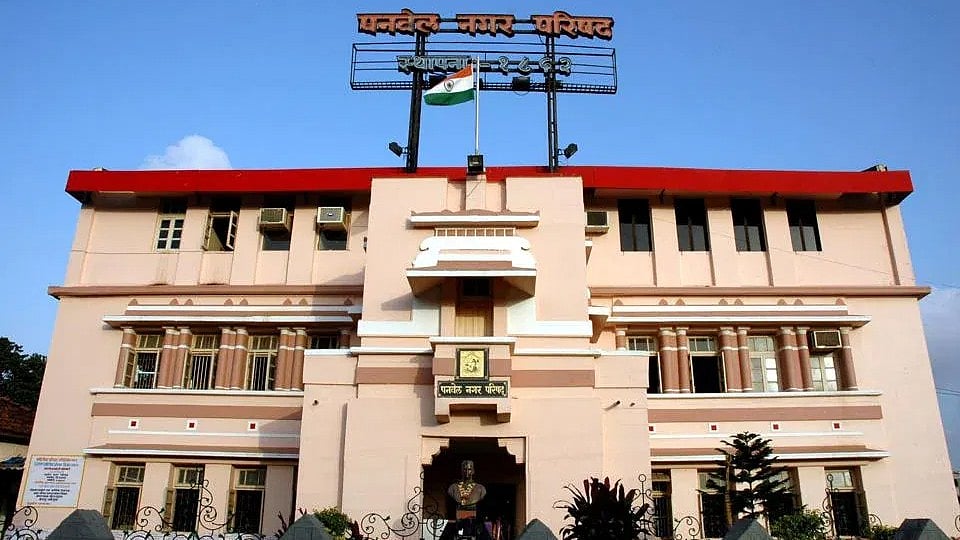
The Kalamboli area in Mumbai witnessed a significant reduction in waterlogging despite receiving over 1,000 mm of rainfall in the past week. According to the Panvel Municipal Corporation (PMC), the area remained largely unaffected due to extensive pre-monsoon planning and drainage upgrades.
The PMC attributed the success to the guidance of Mayor Nitin Patil and Municipal Commissioner Mangesh Chitale, who oversaw the pre-monsoon preparations. The civic administration began reviewing monsoon preparedness in May through a series of disaster management meetings, prioritizing the strengthening of the stormwater drainage network.
New flood-control gates and drainage works were carried out across vulnerable spots in Kalamboli, including the installation of new gates at holding points near the creek, desilting of major drains and gutters, and repairs to the stormwater drainage system. Additionally, new high-capacity stormwater drains were constructed at several locations, significantly improving rainwater discharge and preventing water accumulation.
The effectiveness of the upgraded infrastructure was evident on July 4, when Kalamboli recorded 217.5 mm of rainfall in a single day, yet no major flooding or prolonged waterlogging was reported. The PMC credited the timely implementation of preparedness measures to Additional Commissioners Ganesh Shete and Maheshkumar Meghmale, along with deputy commissioners and other officials.
The civic body also appreciated the coordination between various municipal departments, which monitored the situation round the clock during heavy rains. Special health department teams remained stationed in Kalamboli, while the disaster management department kept a close watch on the situation.
Residents of Kalamboli also appreciated the improvements, noting that the area remained safe despite one of the heaviest rainfall spells in recent years. The rainfall recorded in Kalamboli from July 1 to 8 was significant, with the highest rainfall recorded on July 4 at 217.5 mm.
The success of the drainage upgrades in Kalamboli is a significant achievement for the PMC, demonstrating the effectiveness of pre-monsoon planning and infrastructure development. The area's history of severe flooding during heavy rains made it a priority for the civic administration, and the results show that the efforts have paid off.
The PMC's efforts to upgrade the drainage infrastructure in Kalamboli are part of a broader initiative to improve the city's resilience to heavy rainfall. The success of this project can serve as a model for other flood-prone areas in Mumbai, highlighting the importance of proactive planning and infrastructure development in mitigating the impact of heavy rains.
In conclusion, the Kalamboli area's ability to withstand heavy rainfall without major flooding is a significant achievement for the PMC and a testament to the effectiveness of pre-monsoon planning and infrastructure development. The success of this project has important implications for Mumbai's ability to manage heavy rainfall and mitigate the impact of flooding on residents and businesses.
The reduced flooding in Kalamboli also has economic benefits, as it minimizes the disruption to businesses and daily life. Furthermore, the improved drainage infrastructure can help to reduce the risk of waterborne diseases and other health hazards associated with flooding.
Overall, the PMC's efforts to upgrade the drainage infrastructure in Kalamboli have been successful, and the area's residents can breathe a sigh of relief. The success of this project demonstrates the importance of proactive planning and infrastructure development in mitigating the impact of heavy rains and improving the resilience of Mumbai's communities.