MP Tribals Protest Ken-Betwa Project
Tribals in MP protest Ken-Betwa project, citing environmental concerns. Protests include Chita Andolan and Jal Satyagrahas.
'%3E%3Crect%20width%3D'96'%20height%3D'96'%20fill%3D'%23B3261E'%2F%3E%3Ccircle%20cx%3D'30'%20cy%3D'24'%20r%3D'44'%20fill%3D'%23fff'%20opacity%3D'.12'%2F%3E%3Ccircle%20cx%3D'60'%20cy%3D'74'%20r%3D'40'%20fill%3D'%23000'%20opacity%3D'.10'%2F%3E%3C%2Fg%3E%3Cg%20fill%3D'%23fff'%3E%3Crect%20x%3D'29'%20y%3D'49'%20width%3D'8'%20height%3D'19'%20rx%3D'1'%2F%3E%3Crect%20x%3D'39'%20y%3D'40'%20width%3D'9'%20height%3D'28'%20rx%3D'1'%2F%3E%3Crect%20x%3D'50'%20y%3D'45'%20width%3D'8'%20height%3D'23'%20rx%3D'1'%2F%3E%3Crect%20x%3D'60'%20y%3D'53'%20width%3D'7'%20height%3D'15'%20rx%3D'1'%2F%3E%3Crect%20x%3D'41'%20y%3D'34'%20width%3D'5'%20height%3D'6'%2F%3E%3C%2Fg%3E%3C%2Fsvg%3E)
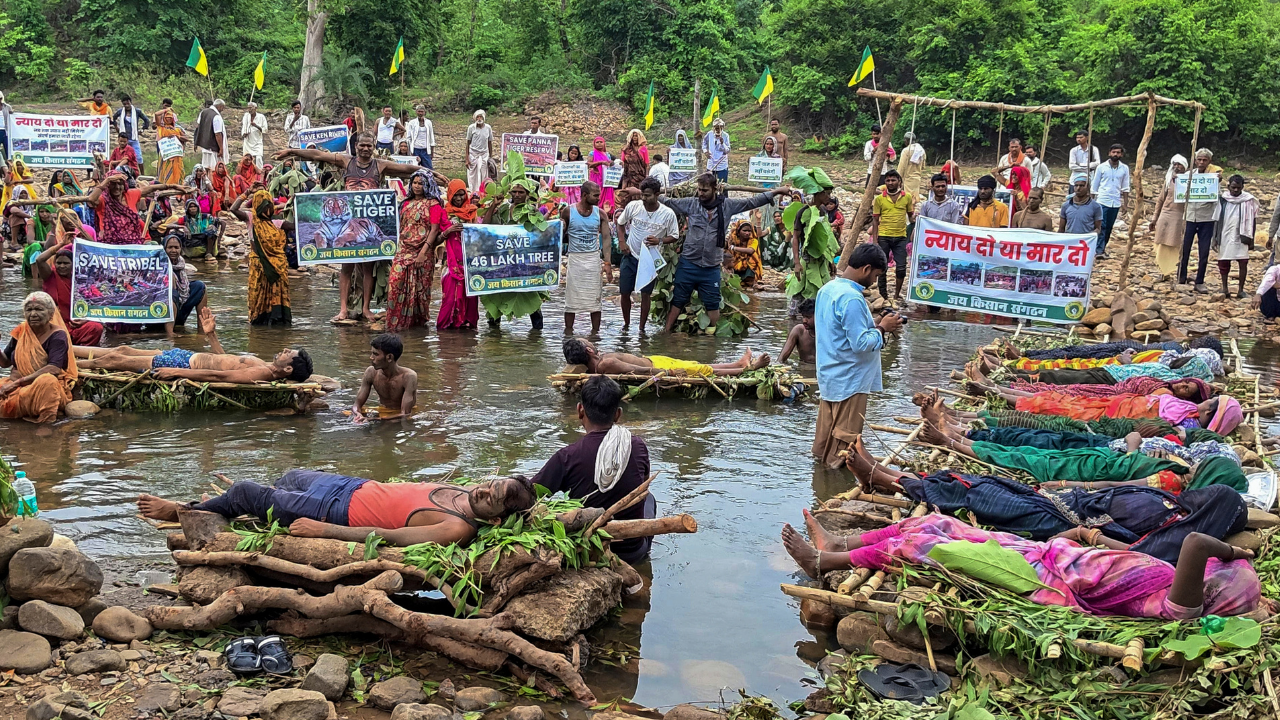
Tribals in Madhya Pradesh are protesting the Ken-Betwa project, a river-linking project aimed at diverting water from the Ken river to the Betwa river. The project has sparked concerns among the tribals, who fear it will disrupt their livelihoods and harm the environment.
The protests, which include the Chita Andolan and Jal Satyagrahas, have been ongoing for some time now. The Chita Andolan, which translates to 'tiger movement', is a movement that aims to protect the tiger population in the region. The Jal Satyagrahas, or 'water protests', are a series of protests that focus on the environmental impact of the project.
The Ken-Betwa project is a massive undertaking that involves the construction of a dam and a canal to divert water from the Ken river to the Betwa river. The project is expected to provide irrigation facilities to farmers in the region, but the tribals are concerned that it will also lead to the displacement of their communities and the destruction of their forests.
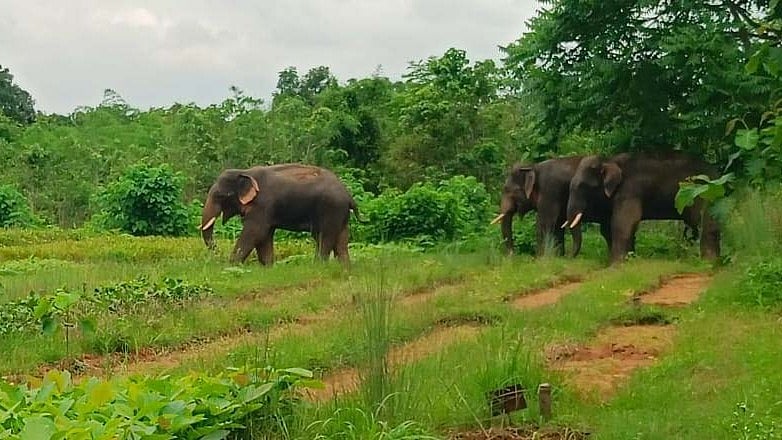
The tribals are also worried about the impact of the project on the wildlife in the region. The Ken river is home to a number of endangered species, including the tiger, and the tribals fear that the project will disrupt their habitats.
The Indian government has said that the project will provide numerous benefits to the region, including increased irrigation facilities and improved drinking water supply. However, the tribals are not convinced, and their protests continue.
The Ken-Betwa project is not the first time that the Indian government has faced opposition from tribals over a development project. In the past, there have been numerous instances of tribals protesting against projects that they feel will harm their communities and the environment.
The protests against the Ken-Betwa project are a reminder that development projects must be carefully planned and executed, taking into account the concerns of all stakeholders, including local communities and the environment.
In conclusion, the Ken-Betwa project has sparked concerns among the tribals in Madhya Pradesh, who fear it will harm their livelihoods and the environment. The protests, which include the Chita Andolan and Jal Satyagrahas, highlight the need for careful planning and execution of development projects, and the importance of taking into account the concerns of local communities and the environment.
The Indian government must take the concerns of the tribals seriously and work towards finding a solution that balances the needs of development with the need to protect the environment and the rights of local communities.
The future of the Ken-Betwa project remains uncertain, as the protests continue and the government struggles to find a solution that satisfies all stakeholders.
The Ken-Betwa project is a complex issue, with multiple stakeholders and competing interests. The government must navigate these complexities carefully, taking into account the concerns of the tribals, the environment, and the need for development.
Ultimately, the success of the Ken-Betwa project will depend on the government's ability to balance these competing interests and find a solution that works for all stakeholders.
The protests against the Ken-Betwa project serve as a reminder of the importance of careful planning and execution of development projects, and the need to take into account the concerns of local communities and the environment.
The government must work towards finding a solution that satisfies all stakeholders, and ensures that the project is executed in a way that minimizes harm to the environment and local communities.
Frequently asked questions
What is the Ken-Betwa project?
The Ken-Betwa project is a river-linking project that aims to divert water from the Ken river to the Betwa river.
Why are MP tribals protesting the project?
The tribals are protesting the project due to concerns about its environmental impact and the potential displacement of their communities.