China Faces Monkey Shortage
China's lab monkey prices double, delaying drug development.
'%3E%3Crect%20width%3D'96'%20height%3D'96'%20fill%3D'%234A235A'%2F%3E%3Ccircle%20cx%3D'30'%20cy%3D'24'%20r%3D'44'%20fill%3D'%23fff'%20opacity%3D'.12'%2F%3E%3Ccircle%20cx%3D'60'%20cy%3D'74'%20r%3D'40'%20fill%3D'%23000'%20opacity%3D'.10'%2F%3E%3C%2Fg%3E%3Cg%20fill%3D'none'%20stroke%3D'%23fff'%20stroke-width%3D'3'%3E%3Ccircle%20cx%3D'48'%20cy%3D'48'%20r%3D'16'%2F%3E%3Cellipse%20cx%3D'48'%20cy%3D'48'%20rx%3D'6.5'%20ry%3D'16'%2F%3E%3Cline%20x1%3D'32'%20y1%3D'42'%20x2%3D'64'%20y2%3D'42'%2F%3E%3Cline%20x1%3D'32'%20y1%3D'54'%20x2%3D'64'%20y2%3D'54'%2F%3E%3C%2Fg%3E%3C%2Fsvg%3E)
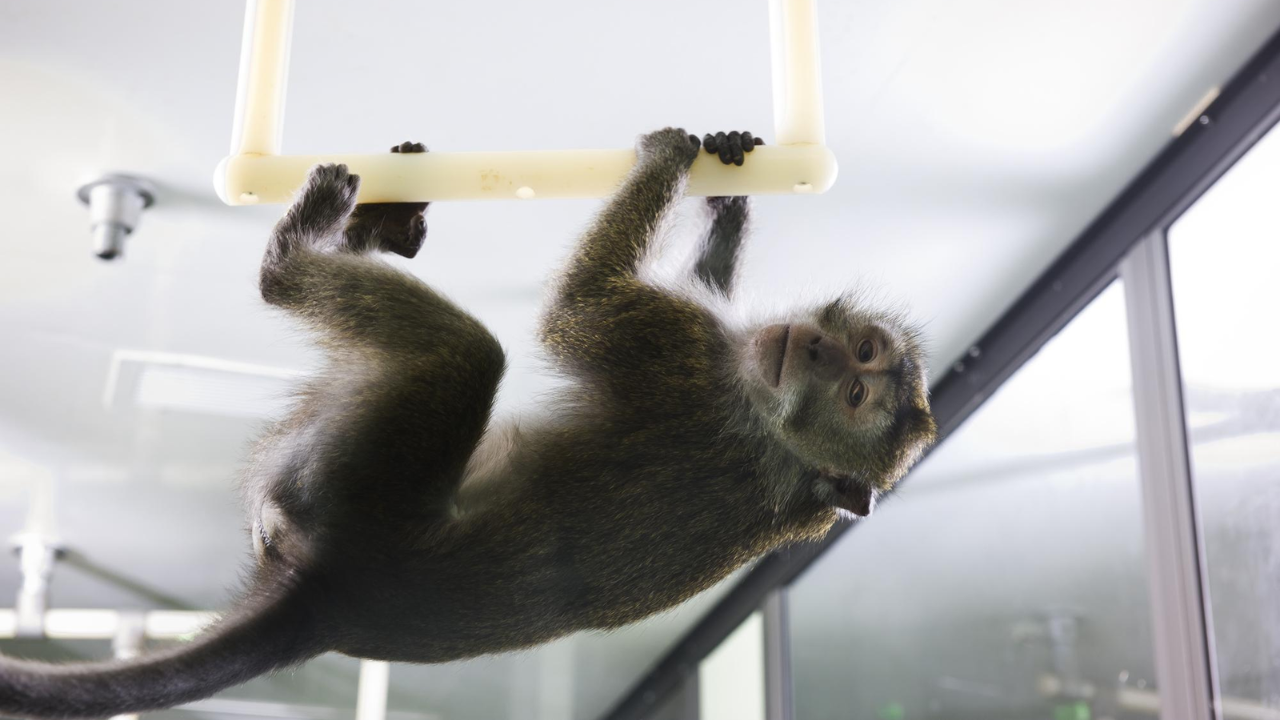
China is facing a significant shortage of lab monkeys, which is delaying preclinical toxicology studies and threatening the country's speed advantage in drug development.
The price of cynomolgus macaques, a type of monkey commonly used in research, has doubled in the past year, with a state lab paying 178,000 yuan ($26,294) each in June.
Biotech executives have compared the process of securing research primates to negotiating with Nvidia for chips, highlighting the difficulty and complexity of obtaining these animals.
The monkey shortage is having a significant impact on China's pharmaceutical industry, with delays of four to ten months in preclinical toxicology studies.
According to Zheshang Securities, the annual gap in the supply of monkeys is expected to be between 15,000 to 20,000 through 2028.
To address this shortage, China is expected to import monkeys from Cambodia, which may help to alleviate the shortage.
The shortage of lab monkeys is a significant challenge for China's pharmaceutical industry, which has been growing rapidly in recent years.
China has been investing heavily in biotechnology and pharmaceutical research, and the shortage of lab monkeys is threatening to slow down the development of new drugs.
The country's speed advantage in drug development has been a key factor in its growth, and the monkey shortage is delaying the completion of preclinical studies, which are a critical step in the development of new drugs.
The impact of the monkey shortage is being felt across the industry, with many companies struggling to secure the animals they need for research.
The situation highlights the challenges faced by the pharmaceutical industry in China and the need for innovative solutions to address the shortage of lab monkeys.
The monkey shortage is not only affecting China's pharmaceutical industry but also has implications for the global market.
As China is a significant player in the global pharmaceutical market, any delays or disruptions in the development of new drugs can have far-reaching consequences.
The shortage of lab monkeys is a reminder of the complexities and challenges involved in drug development and the need for a stable and reliable supply chain.
In conclusion, the monkey shortage in China is a significant challenge that needs to be addressed to ensure the continued growth and development of the country's pharmaceutical industry.
Frequently asked questions
What is causing the delay in China's drug development?
The shortage of lab monkeys is causing delays of four to ten months in preclinical toxicology studies.
How much does a lab monkey cost in China?
The price of a cynomolgus macaque is 178,000 yuan ($26,294).