Centre Delays E25 Fuel Rollout Amid E20 Transition Concerns
E25 fuel rollout delayed, E20 transition concerns raised, government reassesses timeline

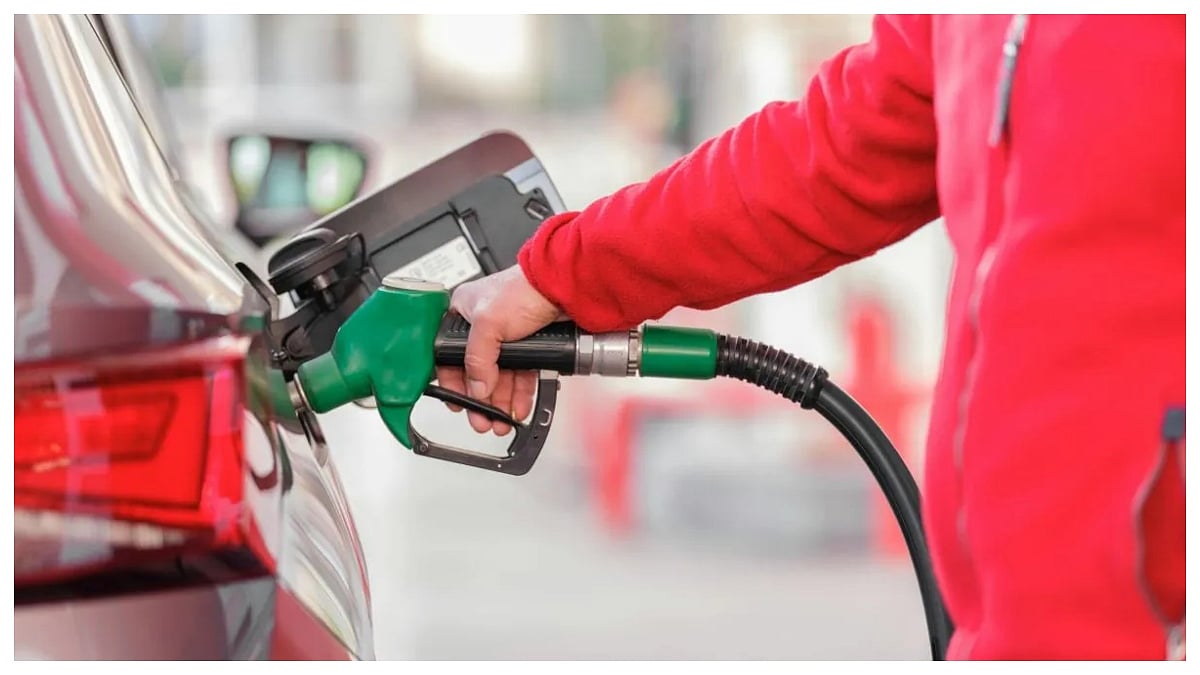
The Indian government is likely to delay the rollout of E25 petrol, which contains 25 percent ethanol and 75 percent petrol, due to concerns over the speed of India's ethanol blending transition. The government had initially planned to introduce E20 petrol by 2030, but the target was advanced by five years, making E20 the standard fuel across the country. However, concerns among consumers and automobile manufacturers over the rapid shift from E10 to E20 within a short period have prompted authorities to reassess the timeline for the next phase.
According to government officials, the transition beyond E20 should be gradual and supported by scientific assessment. The government is of the view that genuine consumer concerns need to be addressed before moving ahead. Automobile manufacturers have been asked to examine complaints, although some government officials believe certain concerns may have been exaggerated. One of the major issues raised by motorists is lower fuel efficiency, as ethanol has a lower calorific value compared with petrol, resulting in reduced mileage.
Higher ethanol blends can also create operational challenges, such as cold-start issues during winter conditions, as ethanol requires higher combustion temperatures. Older vehicles are considered more vulnerable due to ethanol's ability to absorb moisture, which may increase the risk of corrosion and damage to fuel system components. A senior government official said the transition beyond E20 is expected to be introduced in a phased manner after considering feedback from vehicle manufacturers and other stakeholders.
The shift to E25 will require additional engineering work by automobile companies, including engine calibration, fuel-system testing, corrosion resistance checks, material compatibility assessments, and final certification. Several automakers have already started developing engines with higher compression ratios to improve efficiency with ethanol-blended fuels. Despite the challenges, experts highlight the benefits of ethanol blending, including its higher octane rating, lower carbon emissions, and potential to reduce India's dependence on imported crude oil.
The government has maintained that future ethanol blend transitions will be implemented only after adequate testing, industry preparedness, and stakeholder consultations. The decision to delay the E25 fuel rollout is expected to provide relief to consumers and automobile manufacturers, who had raised concerns over the rapid transition. The government's phased approach is likely to ensure a smoother transition to higher ethanol blends, addressing concerns and minimizing disruptions to the automotive industry.
In the long run, the government's efforts to promote ethanol blending are expected to have a positive impact on the environment and the economy. The use of ethanol-blended fuels can reduce carbon emissions, decrease dependence on imported crude oil, and create new opportunities for the agricultural sector. As the government continues to work towards a gradual transition to higher ethanol blends, it is likely that the benefits of ethanol blending will be realized, and the country will move towards a more sustainable and environmentally friendly transportation sector.
The Automotive Research Association of India (ARAI) has also raised concerns over the impact of E20 ethanol fuel on older vehicles, stating that it may affect rubber parts and increase fuel consumption. The report highlights the need for adequate testing and certification of vehicles before the introduction of higher ethanol blends. The government's decision to delay the E25 fuel rollout is a step in the right direction, as it prioritizes consumer concerns and ensures a smooth transition to higher ethanol blends.
In conclusion, the Centre's decision to delay the E25 fuel rollout is a result of concerns raised over the speed of India's ethanol blending transition. The government's phased approach is expected to address consumer concerns, minimize disruptions to the automotive industry, and ensure a smoother transition to higher ethanol blends. As the country moves towards a more sustainable and environmentally friendly transportation sector, the benefits of ethanol blending are likely to be realized, and the government's efforts to promote ethanol blending will have a positive impact on the environment and the economy.