Calcutta HC: Public Parading Of Accused Violates Human Rights
Calcutta HC says public parading of accused is impermissible, infringes human rights.

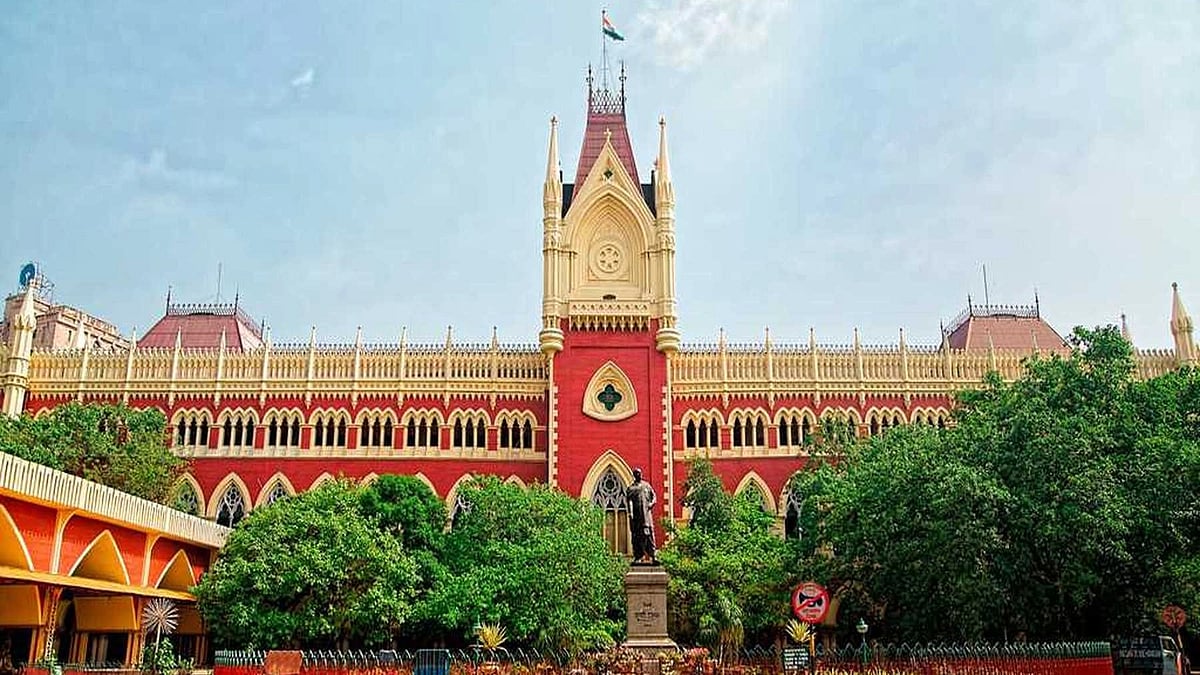
The Calcutta High Court made a significant observation on Tuesday, stating that publicly parading an accused by the police is impermissible and violates human rights. This remark was made while hearing a plea filed by Trinamool Congress leader Soukat Molla, who challenged his alleged public parading during an investigation.
Senior Advocate Kishore Datta, appearing for Molla, argued that the practice of publicly parading arrested persons has become disturbing. He submitted that once someone is arrested, they are produced before the Magistrate, and there is no need for public parading. The court agreed with this proposition, remarking that public parading is indeed impermissible and infringes human rights.
The court also questioned the maintainability of Molla's plea seeking quashing of the proceedings, observing that the petitioner was already in custody. Datta replied that his client had indeed been publicly paraded, and the court should consider the manner in which he was allegedly exposed before the public. The State, however, denied the allegation, submitting that the accused was only taken to the place of occurrence for reconstruction or fixation of the scene of crime.
The Additional Advocate General opposed the plea, stating that the accused had only been taken to the place of occurrence and that people had gathered, but no untoward incident took place. Datta questioned the State's stand, saying that if the NIA had taken custody of the accused, they should also be impleaded in the case. The court noted that the relevant penal provisions had not been disclosed in the report placed before it and expressed reservations about the relief sought.
The matter has been adjourned for hearing at a later date, with the court continuing to examine the specific allegations raised by Molla. The oral observations by the court put the spotlight on the manner in which accused persons are handled during investigations, highlighting the need to protect their human rights.
The case has significant implications for the handling of accused persons during investigations, and the court's observation is likely to have far-reaching consequences. The court's remark that public parading is impermissible and violates human rights is a significant step towards protecting the rights of accused persons and ensuring that they are treated with dignity and respect.
The hearing also highlighted the need for transparency and accountability in the investigation process, with the court noting that the relevant penal provisions had not been disclosed in the report. The case is likely to be closely watched, and the court's final decision will be eagerly awaited.
In conclusion, the Calcutta High Court's observation that public parading of accused persons is impermissible and violates human rights is a significant development in the field of human rights and criminal justice. The court's remark highlights the need to protect the rights of accused persons and ensure that they are treated with dignity and respect during investigations.