SC Orders Separate Namaz Space Near Bhojshala
Supreme Court intervenes in Bhojshala row, directs separate prayer space and urges restraint.
'%3E%3Crect%20width%3D'96'%20height%3D'96'%20fill%3D'%231A5276'%2F%3E%3Ccircle%20cx%3D'30'%20cy%3D'24'%20r%3D'44'%20fill%3D'%23fff'%20opacity%3D'.12'%2F%3E%3Ccircle%20cx%3D'60'%20cy%3D'74'%20r%3D'40'%20fill%3D'%23000'%20opacity%3D'.10'%2F%3E%3C%2Fg%3E%3Cg%20fill%3D'%23fff'%3E%3Cpath%20d%3D'M31%2041%20L48%2031%20L65%2041%20Z'%2F%3E%3Crect%20x%3D'33'%20y%3D'43'%20width%3D'4'%20height%3D'17'%2F%3E%3Crect%20x%3D'41'%20y%3D'43'%20width%3D'4'%20height%3D'17'%2F%3E%3Crect%20x%3D'51'%20y%3D'43'%20width%3D'4'%20height%3D'17'%2F%3E%3Crect%20x%3D'59'%20y%3D'43'%20width%3D'4'%20height%3D'17'%2F%3E%3Crect%20x%3D'30'%20y%3D'62'%20width%3D'36'%20height%3D'4'%20rx%3D'1'%2F%3E%3C%2Fg%3E%3C%2Fsvg%3E)
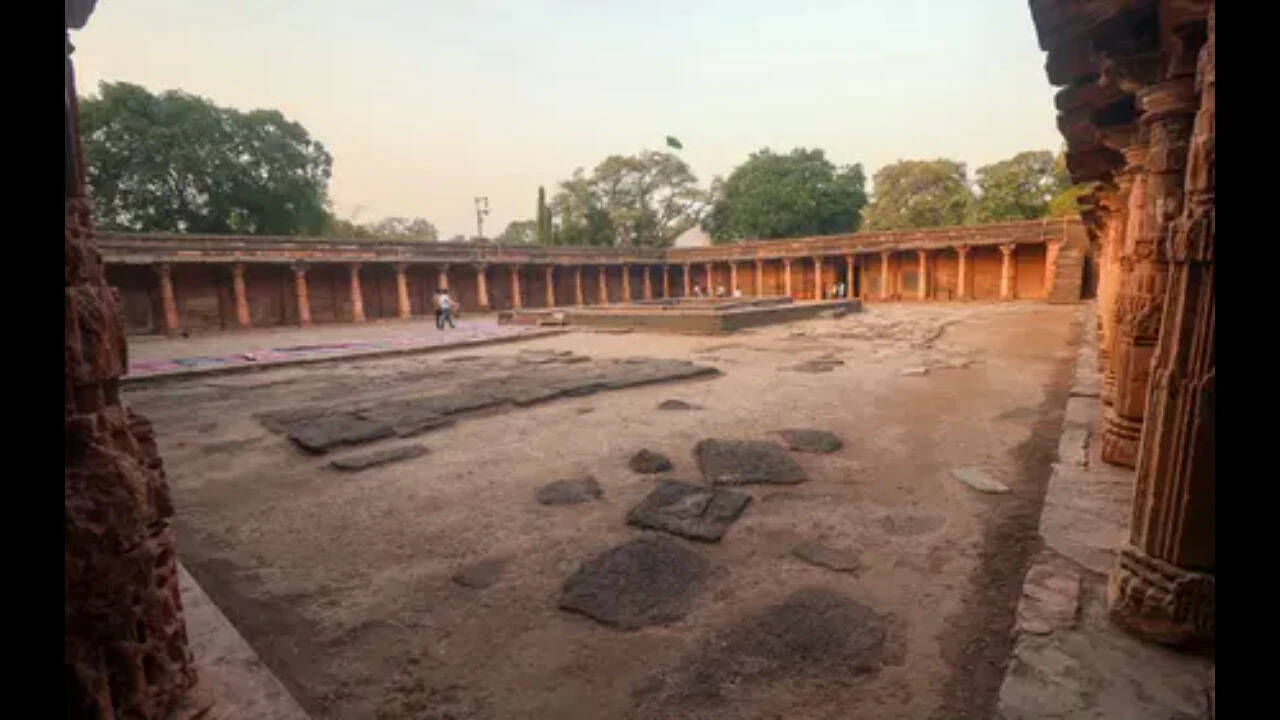
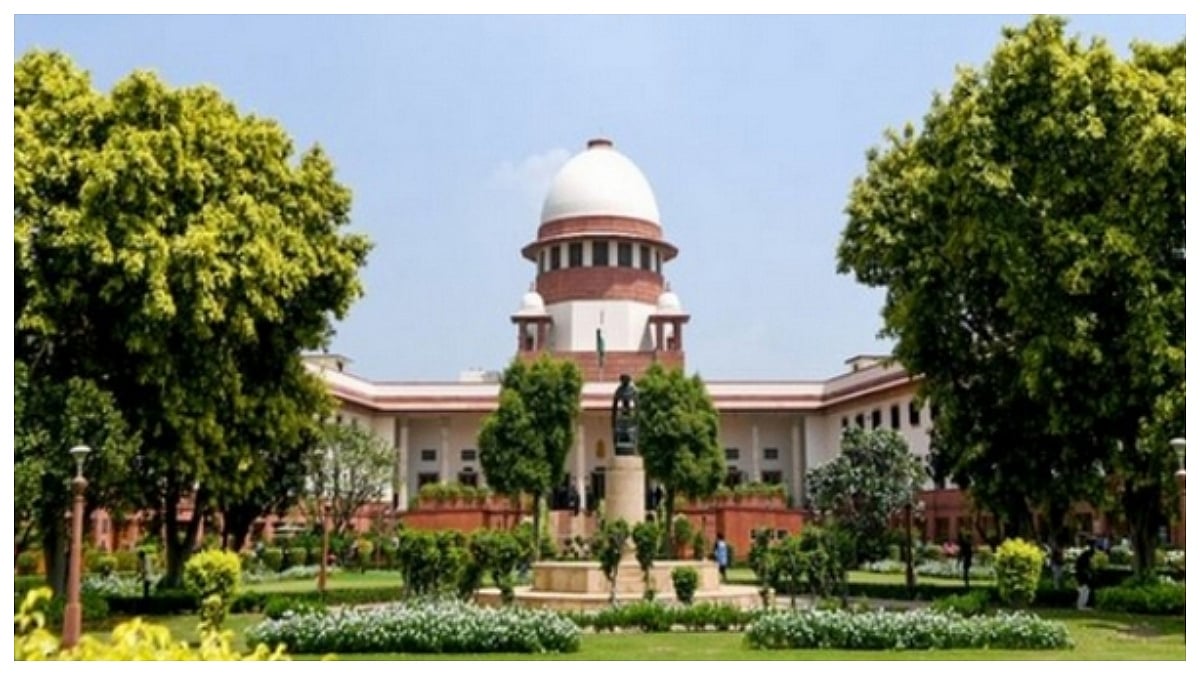
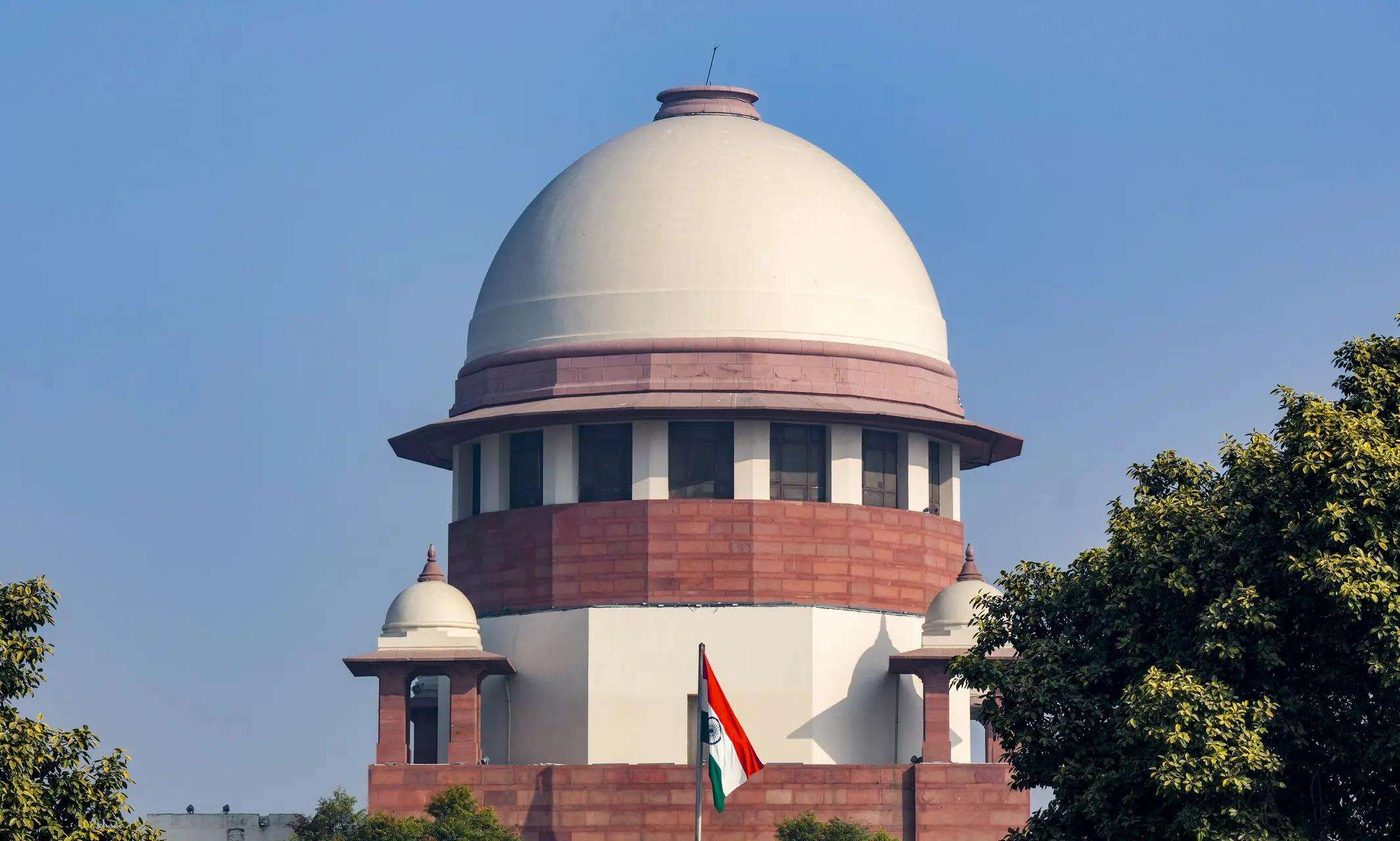
The Supreme Court has stepped in to resolve the Bhojshala dispute by ordering a separate space for Friday prayers for Muslims near the site. This decision aims to ease tensions between Hindu and Muslim communities in the area.
The court's directive also includes a requirement for prior permission from the Supreme Court for any structural alterations to the Archaeological Survey of India (ASI) protected site. This move is seen as an effort to maintain the historical and cultural integrity of the site.
In its ruling, the Supreme Court urged both Hindu and Muslim groups to exercise restraint during proceedings, emphasizing the need for peaceful coexistence. The Bhojshala site, located in Madhya Pradesh, has been a point of contention between the two communities, with each claiming rights to the site for their respective religious practices.
The Madhya Pradesh government has been criticized for its handling of the situation, with the Supreme Court flagging concerns over lax law and order in the state. The government's response to the dispute has been under scrutiny, with many calling for more effective measures to maintain peace and prevent communal tensions.
The Bhojshala site is historically significant, with both Hindu and Muslim communities having ties to the area. The site is believed to be the location of an ancient temple, while also being a place of worship for Muslims. The dispute over the site has been ongoing, with periodic outbreaks of violence and tension between the two communities.
The Supreme Court's intervention is seen as a significant step towards resolving the dispute and maintaining peace in the region. By ordering a separate space for Muslim prayers and requiring prior permission for any structural changes, the court aims to balance the rights and interests of both communities.
The Madhya Pradesh government has been directed to ensure that the court's orders are implemented and that law and order is maintained in the area. The government will need to work closely with community leaders and local authorities to prevent any further outbreaks of violence and to promote peaceful coexistence.
In the broader context, the Bhojshala dispute highlights the ongoing challenges of communal tensions and conflicts over religious sites in India. The Supreme Court's ruling serves as a reminder of the need for restraint, tolerance, and understanding between different communities.
The significance of the Supreme Court's decision extends beyond the Bhojshala site, as it sets a precedent for the resolution of similar disputes across the country. By prioritizing peaceful coexistence and respect for different religious practices, the court's ruling contributes to the maintenance of social harmony and the rule of law in India.