
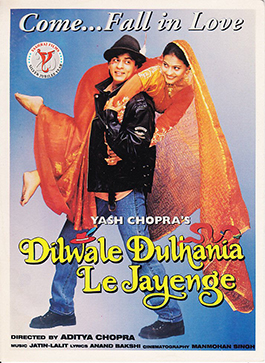
Starring
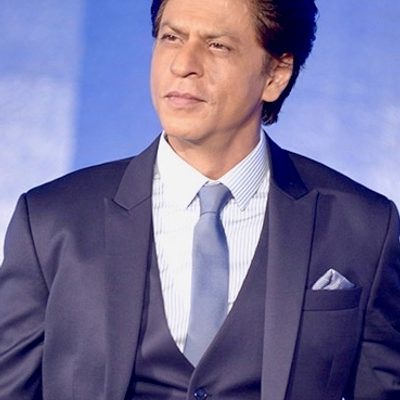
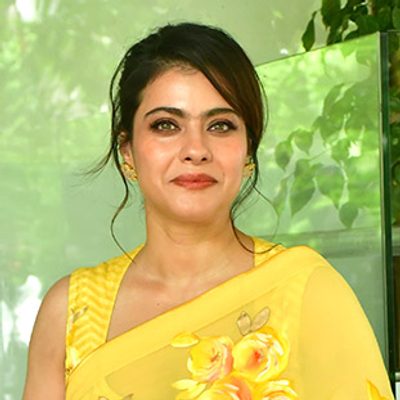
The story
Dilwale Dulhania Le Jayenge follows Raj Malhotra (Shah Rukh Khan) and Simran Singh (Kajol), two young British Indians who fall in love during a group holiday across Europe. The romance is complicated by the fact that Simran is already promised in marriage to the son of a family friend back in Punjab, and by her stern, tradition-bound father, Baldev Singh (Amrish Puri), who has never quite made peace with raising his daughters in London.
What makes the film unusual for its era is Raj's choice. Rather than persuade Simran to elope, he travels to Punjab and quietly sets out to win the whole family over from the inside, insisting that a love worth having is one the elders bless. That decision — romance conducted with the family's consent rather than in defiance of it — became the film's moral centre, culminating in one of Hindi cinema's most replayed moments as Baldev finally lets his daughter run for the departing train.
Making of the film
The film was the directorial debut of Aditya Chopra, then only twenty-four, working under his father, veteran producer Yash Chopra, at the family studio Yash Raj Films. Aditya first imagined the project as an Indian–American love story and is reported to have briefly considered Tom Cruise before reshaping it around non-resident Indians in Britain and Europe.
Shah Rukh Khan, then better known for intense and villainous roles, was reluctant to take on a straight romantic hero and initially declined; Aditya Chopra reportedly won him over across several meetings. Kajol, by contrast, was the first choice for Simran and signed on quickly. Shooting ran from 1994 into 1995 across Switzerland (around Gstaad and Saanen), London (Trafalgar Square and King's Cross station), and the mustard fields near Delhi that stood in for Punjab. The young crew doubled as a training ground for the next generation of Bollywood, with Aditya's brother Uday Chopra and cousin Karan Johar working as assistants — Johar also appears on screen as Raj's friend.
The music
The soundtrack was composed by the brother duo Jatin–Lalit, with lyrics by the veteran Anand Bakshi, and sung by a roll-call of playback greats including Lata Mangeshkar, Asha Bhosle, Kumar Sanu and Udit Narayan. Songs such as "Tujhe Dekha To Ye Jaana Sanam," "Mehndi Laga Ke Rakhna" and "Ho Gaya Hai Tujhko To Pyar Sajna" became standards at weddings and on radio across the subcontinent.
Commercially the album was a phenomenon, ranking among the best-selling Hindi film soundtracks ever recorded, and in later polls it was voted the finest Bollywood soundtrack of all time by listeners of the BBC Asian Network. The score is inseparable from the film's imagery — the accordion motif and the mustard-field crescendo are, for a generation of viewers, shorthand for the movie itself.
Box office and the Maratha Mandir miracle
On release on 20 October 1995, the film was an immediate blockbuster. It became the highest-grossing Indian film of the year, earning well over a billion rupees in India with strong overseas returns, and reported worldwide grosses in the region of ₹2 billion — figures that placed it among the most successful Hindi films of the twentieth century.
Its most remarkable statistic, though, is measured in years rather than rupees. The film has screened almost continuously at the Maratha Mandir cinema in Mumbai since 1995, and in 2001 it overtook Sholay as the longest-running film in Indian cinema history. It passed the 1,000-week mark in December 2014 and, apart from a pandemic interruption, has kept its daily morning slot ever since — a run without real parallel anywhere in world cinema.
Why it matters
Dilwale Dulhania Le Jayenge is routinely described as the film that reset the template for the Bollywood romance. It gave the diaspora a flattering mirror — heroes and heroines who wear their Western upbringing lightly while holding onto Indian values — and it recast the romantic hero as someone who wins the family rather than defies it, a formula countless films have chased since.
It also launched a dynasty. Aditya Chopra went on to run Yash Raj Films, the Shah Rukh Khan–Kajol pairing became one of Hindi cinema's most bankable, and the Raj-and-Simran iconography seeped into everything from wedding choreography to a bronze statue of the couple installed in London's Leicester Square. Thirty years on, "Palat" (turn around) and Baldev's parting line, "Ja Simran, ja, jee le apni zindagi" (Go, Simran, go live your life), remain among the most quoted moments in Indian popular culture.
Key details
| Release year | 1995 |
|---|---|
| Language | Hindi |
| Director | Aditya Chopra |
| Genre | Romance |
| Starring | Shah Rukh Khan, Kajol, Amrish Puri |
Did you know?
- Aditya Chopra was just 24 when he made his directorial debut with the film. He first conceived it as an Indian–American love story and reportedly toyed with the idea of Tom Cruise before reworking it around non-resident Indians in Britain and Europe.
- Shah Rukh Khan, then known for darker and villainous roles, was reluctant to play a romantic lead and initially turned the part down; Aditya Chopra is said to have persuaded him over a series of meetings, arguing he could only become a true superstar as a romantic hero.
- The title was suggested by actress Kirron Kher and lifted from an older Hindi film song, 'Le Jayenge Le Jayenge Dilwale Dulhania Le Jayenge' from Chor Machaye Shor (1974) — and the film is often cited as the first to carry a 'Title suggested by' credit.
- The film swept the Filmfare Awards, winning around 10 trophies including Best Film, Best Director, Best Actor and Best Actress — a record haul at the time — and also took the National Film Award for Best Popular Film Providing Wholesome Entertainment.
- It has run almost continuously at the Maratha Mandir cinema in Mumbai since 20 October 1995, making it the longest-running film in Indian cinema history; it crossed 1,000 weeks in December 2014.
- Director Karan Johar cut his teeth on the film as an assistant and appears in it as Raj's friend, while Aditya's brother Uday Chopra also assisted — the production effectively trained the next generation of Yash Raj Films.
Frequently Asked Questions
Is Dilwale Dulhania Le Jayenge still playing in theatres?
Yes. The film has screened at Mumbai's Maratha Mandir cinema almost continuously since 1995, typically in a daily morning show. Apart from a break during the COVID-19 pandemic, it has never really left, making it the longest-running film in Indian cinema history.
What does the title 'Dilwale Dulhania Le Jayenge' mean?
It translates roughly as 'the big-hearted will take away the bride.' The phrase was borrowed from a song in the 1974 film Chor Machaye Shor and was suggested as the title by actress Kirron Kher. The line recurs in the film and captures its central idea that true love earns its reward.
Where was DDLJ filmed?
The European romance was shot largely in Switzerland, around Gstaad and Saanen, with London sequences at Trafalgar Square and King's Cross station. The Punjab portions, including the celebrated mustard-field scenes, were filmed in fields near Delhi rather than in Punjab itself.
Was Dilwale Dulhania Le Jayenge a box office hit?
Enormously so. It was the highest-grossing Indian film of 1995, earning well over a billion rupees in India along with strong overseas collections. Reported worldwide grosses of around ₹2 billion rank it among the most commercially successful Hindi films ever made.
Who composed the music for DDLJ?
The songs were composed by the duo Jatin–Lalit with lyrics by Anand Bakshi, and performed by singers including Lata Mangeshkar, Asha Bhosle, Kumar Sanu and Udit Narayan. The soundtrack is one of the best-selling Hindi film albums of all time and was later voted the greatest Bollywood soundtrack by BBC Asian Network listeners.
Why is DDLJ considered so important to Bollywood?
It redefined the Hindi romance by making its hero win over the girl's family instead of eloping, and it gave the Indian diaspora an aspirational on-screen identity. It also launched Aditya Chopra as a director, cemented the Shah Rukh Khan–Kajol pairing, and became a lasting cultural touchstone quoted and referenced for decades.
Reference: Wikipedia
← Back to the Bollywood Hub