
Best Chinese Restaurants in Mumbai
Where to eat Chinese food in Mumbai, from ₹80 street-van Schezwan to Colaba fine dining and authentic dim sum, sorted by area, budget and what to order.
'%3E%3Crect%20width%3D'96'%20height%3D'96'%20fill%3D'%23E65100'%2F%3E%3Ccircle%20cx%3D'30'%20cy%3D'24'%20r%3D'44'%20fill%3D'%23fff'%20opacity%3D'.12'%2F%3E%3Ccircle%20cx%3D'60'%20cy%3D'74'%20r%3D'40'%20fill%3D'%23000'%20opacity%3D'.10'%2F%3E%3C%2Fg%3E%3Cg%3E%3Ccircle%20cx%3D'48'%20cy%3D'48'%20r%3D'15'%20fill%3D'none'%20stroke%3D'%23fff'%20stroke-width%3D'3'%2F%3E%3Cpath%20fill%3D'%23fff'%20d%3D'M48%2037%20l3.5%2011%20-3.5%2011%20-3.5%20-11%20z'%2F%3E%3Ccircle%20cx%3D'48'%20cy%3D'48'%20r%3D'2.2'%20fill%3D'%23fff'%2F%3E%3C%2Fg%3E%3C%2Fsvg%3E)
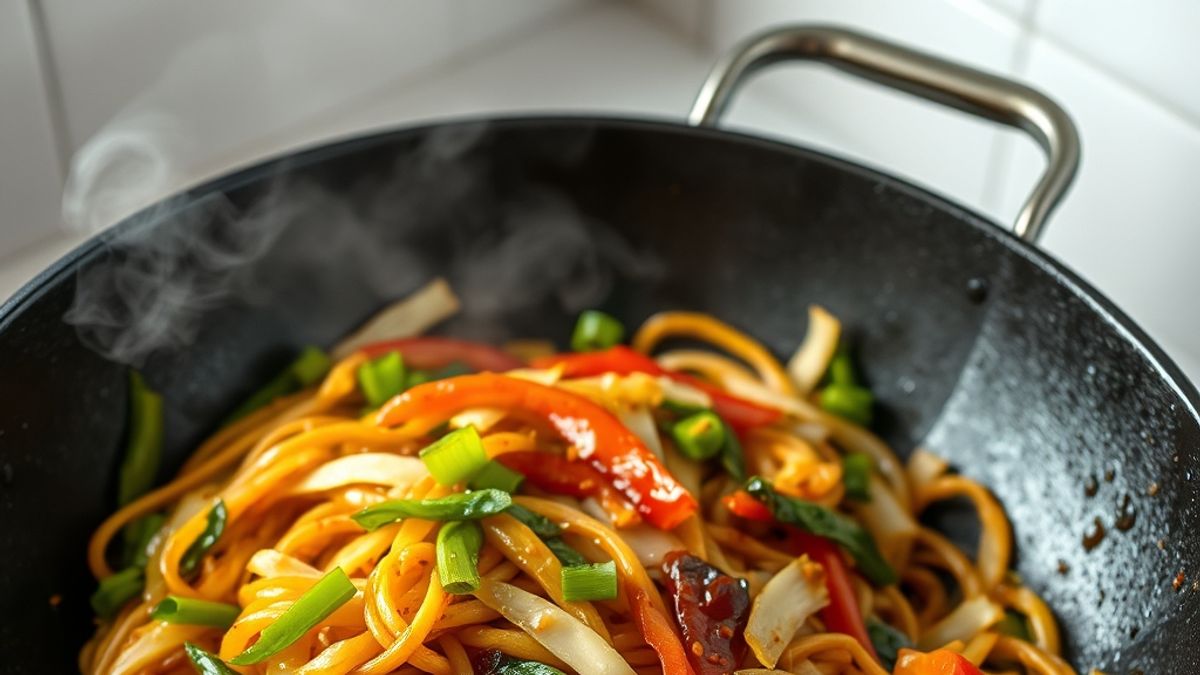
Ask any Mumbaikar where to get “Chinese” and you’ll get three very different answers depending on who you ask. The auto driver will point you to the nearest van serving Schezwan-drenched noodles at midnight. The office crowd will send you to a smart Bandra bistro. And the connoisseur will lower their voice and tell you about a quiet room in Colaba doing proper Cantonese dim sum. All three are correct. Mumbai’s love affair with Chinese food runs from a ten-rupee impulse to a two-thousand-rupee tasting, and this guide walks through the full spread, area by area and budget by budget, so you can pick the right kind of Chinese for the night you’re actually having.
A quick note before we dive in: what most Indians call “Chinese” is really Indian-Chinese, a glorious hybrid born in Kolkata’s Chinatown and perfected on Mumbai streets. It is loud, garlicky, cornflour-thickened and gloriously unbothered about authenticity. Then there’s the newer wave of genuinely authentic Chinese cooking, Cantonese, Sichuan and Hunan, that has landed in the city’s five-star kitchens and a handful of dedicated restaurants. We’ll cover both, because both deserve their moment, and because knowing which one you’re in the mood for is half the battle.
The Mumbai Chinese Map at a Glance
Use this as a quick sorting hat. Prices are for two people unless noted, and every figure is a rough band rather than a promise, worth a quick check before you head out.
| Style | Where to find it | Price (for two) | Best for |
|---|---|---|---|
| Street vans & carts | Ghatkopar–Chembur belt, Bandra Carter Road, Girgaon | ₹80–200 a plate | Late-night triple Schezwan, quick cravings |
| Casual sit-downs | China Gate (suburbs), Ling’s Pavilion (Colaba) | ₹500–1,000 | Family dinners, comfort Indian-Chinese |
| Bandra & BKC modern | Royal China, Hakkasan, Pali Naka bistros | ₹1,500–3,500 | Dim sum brunch, cocktails, date nights |
| Hotel fine dining | Golden Dragon at the Taj, five-star Chinese rooms | ₹2,500–5,000+ | Special occasions, crispy duck |
| Authentic regional | Cantonese & Sichuan specialists, Bandra to Andheri | ₹1,800–4,000 | Mapo tofu, dan dan noodles, real dumplings |
| Northern-suburb value | Andheri, Powai, Lokhandwala | ₹400–1,200 | Everyday cravings, reliable delivery |
Street-Style Indian-Chinese: The People’s Cuisine
This is where most Mumbaikars fall in love with Chinese food. Fiery, garlicky, unapologetically oily, and served fast enough that you eat it standing up. It is a close cousin of the city’s wider street food scene, and it follows the same rules: high turnover, hot oil, and no ceremony.
The roadside stalls and vans
You’ll find Chinese food carts parked across the city after sundown, and they are an institution in their own right, arriving with the dusk and folding away by the small hours. Some of the best-known clusters and names include:
- The Ghatkopar and Chembur belt in the eastern suburbs, famous for late-night Chinese vans with roaring woks and long queues. If you’re already working your way through the Ghatkopar food trail, the Chinese carts are the natural nightcap.
- Carter Road and Linking Road, Bandra, where evening stalls serve triple Schezwan rice to a young, hungry crowd spilling out of the promenade and the shops.
- Girgaon and Charni Road in South Mumbai for old-school, no-frills plates that haven’t changed their formula in decades, and don’t need to.
What to order at a van is a fairly settled science: Hakka noodles, chilli chicken (dry, with plenty of capsicum and green chilli), Schezwan fried rice, veg or chicken Manchurian, and the legendary “triple Schezwan rice” that layers fried rice, noodles and a slick of gravy in one heroic plate. The gravy dishes tend to be sweeter and redder than anything you’d find in China, and that’s the point, this is comfort food built for the Indian palate.
- Price band: roughly ₹80 to ₹200 a plate, with a full meal for two rarely crossing ₹400.
- Best time: after 8 pm, when the woks are properly hot and the crowd energy is at its best. Many carts run well past midnight, which makes them a fixture of the city’s late-night food map.
- Tip: pick a stall with high turnover. Fresh oil and a fast-moving queue matter far more than a fancy signboard. If the wok is smoking and the line is moving, you’re in the right place.
- Monsoon caveat: during heavy rain, the open-air carts thin out or disappear, so this is a dry-season, clear-night pleasure more than a July one.
Legendary casual sit-downs
A step up from the cart, these are beloved neighbourhood halls that generations have grown up on, the places families book for a birthday when they want something familiar rather than fancy:
-
China Gate, with outlets across the suburbs, is a reliable, generous, family-friendly Indian-Chinese standby. Portions are large, the sweet-and-spicy register is dialled up, and it rarely disappoints a table of mixed appetites.
-
Ling’s Pavilion, Colaba, a South Mumbai classic tucked near the Regal cinema, is warmer and a shade more refined than the average sit-down, with a loyal following for its lunches. It sits within easy walking distance of the Gateway of India, which makes it a natural lunch stop on a heritage day.
-
Mainland China and Asia Kitchen by Mainland China for a dependable mid-market meal across several locations, the sort of menu where you know roughly what you’ll get and it’s consistently decent.
-
Price band: ₹500 to ₹1,000 for two.
-
Order: crispy fried chilli chicken, prawns in garlic sauce, and a bowl of burnt garlic noodles that carries the whole table.
Bandra and the Western Suburbs: The Cool Crowd
Bandra is where Chinese food gets a design-forward, pan-Asian makeover. The cooking here leans modern and shareable, often blending Chinese roots with wider Southeast Asian flavours, and the room is usually as much of a draw as the plate. It pairs neatly with an evening of Bandra bars and nightlife, or a slower afternoon working through the Bandra food trail.
-
Royal China, Bandra Kurla Complex (and Fort) is the name serious dim sum lovers drop first. The dim sum baskets, especially the prawn and chicken varieties, are consistently among the city’s best, and the weekend dim sum sessions are a genuine event rather than a menu footnote. If you only make one bookings-worthy Chinese meal a month, this is a strong contender.
-
Hakkasan, Bandra brought glossy, upscale modern Cantonese to Mumbai, with a bar scene to match. It’s a splurge, but the crispy duck salad and the dim sum platter have real polish, and the low-lit room does a lot of the work on a date night.
-
Pali Naka and Kala Ghoda bistros, plus a rotating cast of pan-Asian spots, give you a livelier, cocktail-forward evening at a gentler price than the marquee names. The scene turns over quickly here, so a quick check of recent listings pays off.
-
Price band: ₹1,500 to ₹3,500 for two at the upscale end; mid-market bistros land around ₹1,000 to ₹1,800.
-
Best time: weekend afternoons for dim sum, or after 8 pm for the full buzz.
-
Getting there: BKC is easiest by cab or the Metro Line 3; Bandra proper is a short auto ride from Bandra station, though parking around Pali Naka is a genuine nightmare, so skip the car. The wider getting around Mumbai guide is worth a look if you’re planning to hop between neighbourhoods.
-
Order: har gow (prawn dumplings), char siu bao (barbecue pork buns where available), and crispy aromatic duck to share.
South Mumbai: Old-World Charm and Fine Dining
South Mumbai carries the city’s oldest Chinese dining heritage, from decades-old family restaurants to hotel fine-dining rooms where the setting is half the meal. If you’re already exploring the Colaba neighbourhood, you’re standing at the historic heart of Mumbai’s Chinese table.
The classics
- Ling’s Pavilion, Colaba deserves a second mention here for sheer staying power. It’s the kind of place regulars have been visiting for anniversaries and Sunday lunches for years, and the warmth of that long relationship shows in the service.
- Golden Dragon at The Taj Mahal Palace, Colaba is one of India’s oldest fine-dining Chinese restaurants, a grand, old-school Sichuan-and-Cantonese room where the service and the setting are as much the point as the food. It’s an occasion restaurant in the truest sense, best saved for a night when you want the ceremony as well as the meal.
Modern and refined
-
Hotel-based Chinese kitchens at properties like the Grand Hyatt and other five-stars deliver reliably high-quality Cantonese and Sichuan cooking in a polished setting. You pay for the consistency, the wine list and the quiet, and on the right evening it’s worth it. For the wider picture, our fine-dining guide maps out how Chinese sits alongside the city’s other top tables.
-
Price band: ₹2,500 to ₹5,000-plus for two at hotel fine-dining rooms.
-
Best time: dinner, and book ahead on weekends without fail.
-
Order: Peking-style crispy duck carved at the table, steamed fish with ginger and spring onion, and hand-pulled noodles where they’re offered.
Authentic Regional Chinese: Beyond the Gravy
If you’ve only ever eaten Indian-Chinese, the newer authentic spots are a revelation. This is food built on subtlety rather than volume, on the numbing tingle of Sichuan peppercorn and on the clean sweetness of properly steamed seafood. It rewards a slower, more curious table.
- Royal China again leads the pack for Cantonese authenticity, particularly its dim sum, where the pleating is fine and the fillings taste of what they’re supposed to.
- Hakkasan offers a modern, high-gloss take on Cantonese classics for those who want authenticity with a bit of theatre.
- Beyond the big names, look out for smaller, chef-driven Sichuan and Hunan specialists that periodically open in Bandra, Lower Parel and Andheri. The scene here changes fast, rooms open and close within a year or two, so check recent listings before you make the trip rather than trusting an old bookmark.
What marks these kitchens apart from the street-style version is restraint: less cornflour, less food colouring, more balance. Expect genuine mapo tofu with its slow-building heat, dan dan noodles with sesame and chilli oil in careful proportion, and dumplings with thin, pleated skins rather than thick doughy wrappers. If your only reference point for a dumpling has been the Mumbai momo, a proper har gow or xiao long bao is a genuine step-change in technique.
- Price band: ₹1,800 to ₹4,000 for two.
- Order: mapo tofu, dan dan noodles, steamed dim sum, and a whole steamed fish if you’re a group of four or more.
Lower Parel and Central Mumbai: The Mall-and-Mill District
The redeveloped mill lands around Lower Parel and Worli have become a dense cluster of restaurants inside and around the big malls and office towers, which makes this the most convenient Chinese-and-pan-Asian zone for a work lunch or a pre-cinema dinner. The wider Lower Parel and Worli guide covers the neighbourhood in full.
-
Pa Pa Ya and other pan-Asian brands inside Palladium and the surrounding complexes offer sleek, modern Asian menus that mix Chinese with Thai and Japanese, sushi on one page, dim sum on the next.
-
Several dependable mid-market Chinese and pan-Asian outlets occupy the food courts and standalone spaces here, ideal when you want something quick and familiar between meetings or before a film. If you’re grazing rather than sitting down, the mall food-court options cover the fast end of the spectrum.
-
Price band: ₹1,000 to ₹2,500 for two.
-
Getting there: Lower Parel or Elphinstone Road (Prabhadevi) station, or a cab; the malls have paid parking that fills up on weekends.
-
Best time: weekday lunch is calmer; weekends get packed around dinner and movie showtimes, so time your visit to the show, not the other way round.
Andheri and the Northern Suburbs: Value and Variety
Andheri, Powai and the northern belt serve the everyday Chinese cravings of a huge working population, and the value here is excellent, generous plates for sensible money, with delivery kitchens filling in the gaps.
-
Powai’s Hiranandani stretch has a good spread of casual pan-Asian and Chinese restaurants popular with the IT and student crowd, most of it walkable once you’re in the neighbourhood. The Powai neighbourhood guide has the lay of the land.
-
Andheri West and Lokhandwala are dense with mid-market Chinese sit-downs and reliable delivery kitchens, the kind of places that quietly feed the suburb every single night. See the Andheri neighbourhood guide for how it all fits together.
-
China Gate and similar chains keep the northern suburbs well fed with generous, familiar plates and predictable quality.
-
Price band: ₹400 to ₹1,200 for two.
-
Order: chicken lollipop, hot and sour soup, chilli garlic noodles, and Manchurian in gravy.
How to Order Like You Know What You’re Doing
A few pointers that hold across the city, whichever tier you’re eating at:
- For Indian-Chinese, heat is the whole personality. Ask for it “spicy” only if you mean it, and don’t skip the chilli chicken, it’s the truest test of a kitchen. If the chilli chicken is crisp on the outside, juicy inside and properly seasoned rather than just red, the rest of the menu will usually follow.
- For authentic Cantonese, start with dim sum and let the steamed dishes shine. Resist the urge to drown everything in soy or chilli oil, the balance is already built in.
- For Sichuan, the tingle from the peppercorn is a feature, not a fault. Mapo tofu and dan dan noodles are the benchmarks, and a kitchen that gets the numbing-and-hot balance right is one to keep.
- Soups are underrated everywhere. A good hot and sour, or a clear wonton soup, tells you a lot about a kitchen before the mains arrive. It’s the cheapest diagnostic on the menu.
- Balance your table. One fried dish, one gravy, one dry-tossed noodle or rice, and a soup will feed most groups better than four variations on the same theme. Order less than you think and top up, the plates are bigger than they look.
Timing, Booking and Getting There
Chinese food in Mumbai runs on a fairly predictable clock. The street vans peak from about 8 pm to midnight; the casual sit-downs are busiest at Sunday lunch and Friday and Saturday dinner; and the upscale rooms fill up fast on weekends, so anything in a hotel or a marquee Bandra name should be booked a day or two ahead. Dim sum brunches in particular sell out, and if you’re planning one, our weekend brunch guide is a useful companion.
On transport, the honest advice is to leave the car at home for Bandra, BKC and Lower Parel, where parking is scarce and slow. Cabs, autos and the expanding Metro handle these trips far better than your own steering wheel and a lot of patience. South Mumbai is walkable once you’re in Colaba or Fort. If in doubt, the getting around Mumbai guide covers the practicalities.
Vegetarians and Dietary Notes
Vegetarians are extremely well served across every price point, from crisp veg Manchurian and chilli paneer at the carts to delicate steamed vegetable dumplings and mapo tofu (ask for it without pork) at the authentic rooms. If you want an entirely meat-free evening with a bit of polish, the city’s pure-veg restaurants and veg fine-dining options include several kitchens doing genuinely good Asian menus. A word of caution on the sauces: many Indian-Chinese gravies use fish sauce, oyster sauce or a shared wok, so strict vegetarians and Jain diners should say so clearly when ordering, most kitchens will happily adjust if you ask up front.
A Few Practical Notes
Delivery is superb across Mumbai, but Chinese food is one cuisine that genuinely suffers in transit; noodles clump, gravies split, and crispy dishes go soft and sad within twenty minutes. Wherever you can, eat it fresh at the source, and if you must order in, choose the gravy dishes and rice over anything that’s meant to arrive crisp. Weekends fill up fast at the upscale rooms, so book ahead for anything in a hotel or a well-known Bandra name. And prices move, so treat every rupee figure here as a rough band rather than a promise, always worth a quick check before you head out.
The Wrap
Mumbai’s Chinese food is a spectrum, and the joy is in moving up and down it. One night you’re standing at a Ghatkopar van with a paper plate of triple Schezwan rice and a napkin doing heroic work; another you’re carving crispy duck in a hushed Colaba dining room. Both are the real Mumbai. Start with a street-style plate to understand the city’s palate, treat yourself to a proper dim sum brunch when you can, and keep an eye out for the smaller authentic spots quietly raising the bar. Wherever you land on the budget scale, eat it hot, eat it fresh, and don’t be shy with the chilli.
Frequently Asked Questions
What is the difference between Indian-Chinese and authentic Chinese food in Mumbai?
Indian-Chinese is a hybrid cuisine born in Kolkata's Chinatown and perfected on Mumbai streets, built for the local palate with more garlic, chilli, cornflour and red gravy, think Manchurian, Schezwan fried rice and chilli chicken. Authentic Chinese, usually Cantonese or Sichuan, is subtler and more balanced, with delicate steamed dim sum, mapo tofu and whole steamed fish. Mumbai has strong versions of both, and the authentic scene mostly lives in five-star hotels and a handful of dedicated Bandra and South Mumbai restaurants.
Where can I find the best late-night Chinese food in Mumbai?
The eastern-suburb belt around Ghatkopar and Chembur is famous for late-night Chinese vans with roaring woks, and Carter Road and Linking Road in Bandra have busy evening stalls too. Most carts run from about 8 pm well past midnight and cost roughly ₹80 to ₹200 a plate. Pick a stall with a fast-moving queue for fresher oil, and note that the open-air carts thin out during heavy monsoon rain.
How much does a Chinese meal for two cost in Mumbai?
It ranges enormously by tier. A street-van plate is ₹80 to ₹200, and a full cart meal for two rarely tops ₹400. Casual sit-downs like China Gate or Ling's Pavilion run ₹500 to ₹1,000 for two, modern Bandra and BKC spots ₹1,500 to ₹3,500, and hotel fine-dining rooms such as Golden Dragon at the Taj can reach ₹2,500 to ₹5,000 or more. Treat all figures as rough bands, since prices move.
Where can I get authentic dim sum in Mumbai?
Royal China, with outlets in Bandra Kurla Complex and Fort, is the name most dim sum lovers drop first, with prawn and chicken baskets among the city's most consistent and a weekend dim sum session that is a genuine event. Hakkasan in Bandra offers a glossier, more upscale Cantonese take. Both need booking on weekends, and dim sum brunches in particular sell out, so reserve a day or two ahead.
Is there good vegetarian Chinese food in Mumbai?
Yes, vegetarians are very well served at every price point, from veg Manchurian and chilli paneer at the carts to steamed vegetable dumplings and mapo tofu at the authentic rooms. Be aware that many Indian-Chinese gravies use fish or oyster sauce or a shared wok, so strict vegetarians and Jain diners should say so clearly when ordering. Most kitchens will adjust happily if you ask up front, and the city also has dedicated pure-veg and veg fine-dining spots with strong Asian menus.
Should I order Chinese food for delivery in Mumbai?
Delivery across Mumbai is excellent, but Chinese is one cuisine that genuinely suffers in transit, noodles clump, gravies split and crispy dishes go soggy within about twenty minutes. Wherever possible, eat it fresh at the source. If you must order in, choose gravy dishes and rice over anything meant to arrive crisp, and stick to nearby kitchens to keep the travel time short.