
Best Budget Eats in Mumbai Under 200
A local's guide to filling Mumbai meals under ₹200: Irani-cafe bun maska, Matunga dosas, Dadar thalis, vada pav and Chowpatty chaat, area by area.
'%3E%3Crect%20width%3D'96'%20height%3D'96'%20fill%3D'%23E65100'%2F%3E%3Ccircle%20cx%3D'30'%20cy%3D'24'%20r%3D'44'%20fill%3D'%23fff'%20opacity%3D'.12'%2F%3E%3Ccircle%20cx%3D'60'%20cy%3D'74'%20r%3D'40'%20fill%3D'%23000'%20opacity%3D'.10'%2F%3E%3C%2Fg%3E%3Cg%3E%3Ccircle%20cx%3D'48'%20cy%3D'48'%20r%3D'15'%20fill%3D'none'%20stroke%3D'%23fff'%20stroke-width%3D'3'%2F%3E%3Cpath%20fill%3D'%23fff'%20d%3D'M48%2037%20l3.5%2011%20-3.5%2011%20-3.5%20-11%20z'%2F%3E%3Ccircle%20cx%3D'48'%20cy%3D'48'%20r%3D'2.2'%20fill%3D'%23fff'%2F%3E%3C%2Fg%3E%3C%2Fsvg%3E)
Mumbai runs on cheap, brilliant food. Ask anyone who has done a full day in this city on public transport and a modest wallet, and they will have a mental map of exactly where to eat well without flinching at the bill. The good news is that eating cheaply here has never meant eating badly. Some of the most memorable plates in the city cost less than a movie ticket, and the queue outside a good stall is often longer than the one outside a mall food court.
This guide is built around one simple promise: a proper, filling meal for two hundred rupees or less. Sometimes far less. It is organised by the kind of place rather than a strict neighbourhood-by-neighbourhood march, because in Mumbai the type of joint tells you more about what you will pay and what you will get than the pin code does. A vada pav tastes much the same near Churchgate as it does in Borivali; what changes is the crowd and the chutney.
A note on prices before we start: everything below is a rough range, not a menu. Rates drift up over time, portions vary by outlet, and a plate that is 90 rupees at a station stall might be 150 in an air-conditioned room two doors down. Treat these as “roughly what to expect” numbers, not promises. Read the caveats, follow the crowds, and you will almost never go wrong.
Quick Reference: What to Eat, Where, for How Much
Use this as a cheat sheet before you head out. Every price band assumes one hungry person and leaves room under the 200-rupee ceiling.
| What to order | Where to find it | Typical ₹ | Best for |
|---|---|---|---|
| Bun maska + chai | Irani cafes (Marine Lines, Grant Road) | 60–100 | A slow, unhurried breakfast |
| Masala dosa | Udupi joints, Matunga | 60–130 | A cheap, complete solo lunch |
| Idli-vada sambar | Any Udupi restaurant | Under 100 | Light, gentle on the stomach |
| Veg thali | Dadar, Girgaon, Parel khanavals | 120–200 | Serious hunger, big appetite |
| Vada pav | Station stalls, Dadar | 20–50 | Eating on the move |
| Pav bhaji | Girgaon Chowpatty, Juhu Beach | 120–200 | A sunset dinner by the sea |
| Bhel / sev puri | Chowpatty, beach fronts | 40–100 | Grazing, sharing, snacking |
| Frankie / kathi roll | Stalls citywide | 80–180 | A meal grabbed between trains |
| Kheema pav | Irani cafes | 120–180 | A hearty, protein-heavy plate |
Irani Cafes: The Slow, Cheap Classic
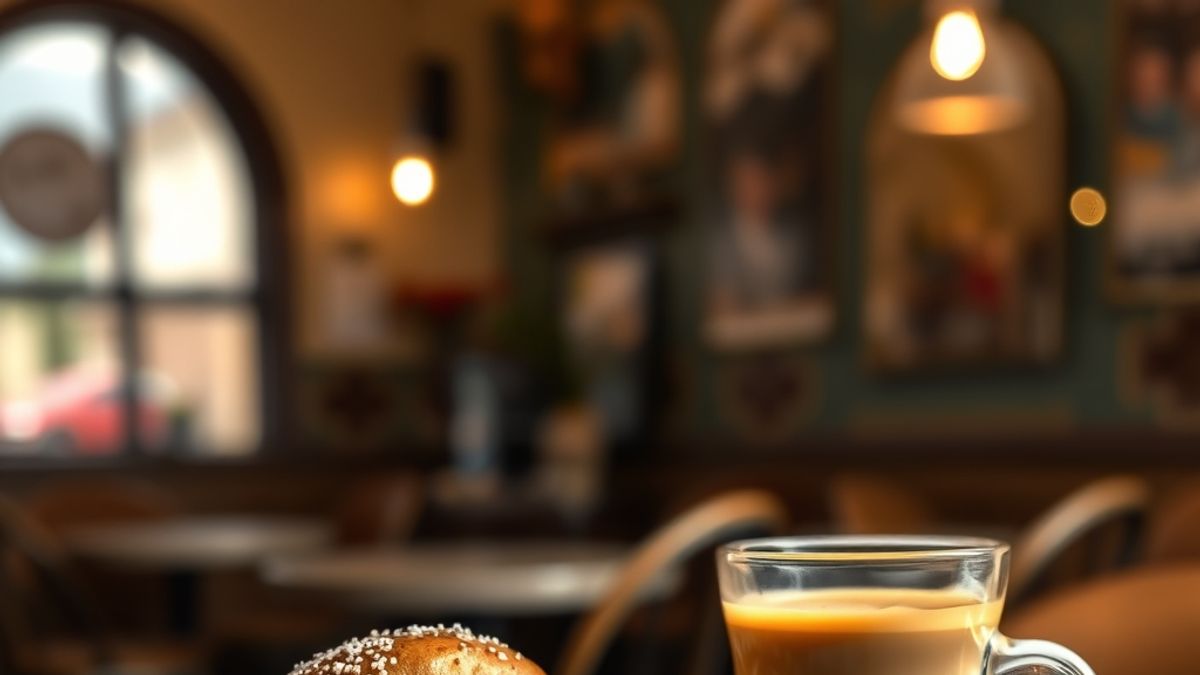
The Irani cafe is Mumbai’s great equaliser. High ceilings, marble-topped tables, bentwood chairs, framed mirrors, and a menu that has barely changed in decades. Nobody performs efficiency here. You can nurse a cup of chai for an hour, read the paper cover to cover, and no waiter will hover for the bill. For a fuller history of these institutions and how they came to define the city’s cafe culture, our guide to Mumbai’s Irani cafes goes deeper.
The survivors worth seeking out include Kyani & Co. near Marine Lines, Britannia & Co. in Ballard Estate (famous for its berry pulao, though that celebrated dish creeps above our budget), and B. Merwan & Co. near Grant Road station. These are not museums; they are working cafes, and the value is real if you order with a little discipline.
What to order on a budget
- Bun maska and chai — a soft, buttered bun with sweet, milky tea. Often 60 to 100 rupees together, and genuinely satisfying with a couple of Osmania-style biscuits dunked into the chai until they threaten to collapse.
- Kheema pav — spiced minced meat with soft bread rolls. Usually lands in the 120 to 180 range and is a full meal on its own, no sides required.
- Akuri on toast — Parsi-style spicy scrambled eggs, buttery and studded with onion and chilli. A cheap, protein-heavy breakfast that punches well above its price.
The best window is mid-morning or late afternoon, when the light comes through the tall windows and the lunch crowd has thinned. Most of these cafes sit within a short walk of a Western or Central line station, so they are easy to fold into a day out. If Parsi flavours pull you in, the wider world of Parsi food in Mumbai is worth a separate outing, and a slow cafe breakfast pairs neatly with the city’s other breakfast spots if you want to make a morning of it.
Udupi Joints: South Indian Value Champions
If there is one category that delivers the most food for the least money in Mumbai, it is the Udupi restaurant. These no-frills South Indian eateries are everywhere, from Fort and Dadar to every suburb in between, and they run like clockwork: you sit, you order, the food arrives in minutes, you eat, you leave full. The whole ecosystem is covered in our guide to South Indian food in Mumbai.
Matunga is the place to make a pilgrimage. The lanes around Matunga station on the Central line are packed with long-running institutions serving crisp dosas, fluffy idlis, and filter coffee that could wake the dead. It is the spiritual home of the genre, and a slow crawl through the Matunga food trail is one of the best cheap-eating days the city offers.
Budget picks
- Plain or masala dosa — usually 60 to 130 rupees, and a masala dosa alone, with its spiced potato core and a smear of ghee on the griddle, is a complete meal.
- Idli-vada sambar — steamed rice cakes and a fried lentil doughnut swimming in sambar, often under 100 rupees and easy on the stomach.
- Rava dosa or uttapam — a little heartier and lacier, still comfortably under 150.
- Filter coffee — 30 to 50 rupees, served in a steel tumbler and dabra, and worth every paisa. Ask for it “by two” to share and you have the perfect end to the meal.
A tip most visitors miss: many Udupi places quietly do a South Indian mini-meal or thali at lunch for well under 200, stacking rice, sambar, rasam, a vegetable, curd and a small sweet onto one steel plate. Go at lunch, roughly 12:30 to 1:30, for the freshest batch and the fullest spread. Arrive after 2:30 and you may find the popular items already sold out.
Thali Houses: All You Can Eat, Almost
The unlimited thali is Mumbai’s answer to serious hunger on a small budget. A good one piles your plate with rotis, rice, dal, two or three sabzis, a farsan, chaas and something sweet, and the servers keep circling with buckets to refill until you physically cover the plate with your hand in surrender.
The classic Gujarati thali temples have crept upmarket and often nudge past 300 for the full unlimited experience — still fair value, but above our ceiling. If you want the grand version, the Gujarati thali guide maps the best of them. To stay honestly under 200, aim a little more local:
- Maharashtrian thalis in areas like Dadar, Girgaon and Parel are often cheaper and just as filling, with the added bonus of thecha, bhakri and a sharper, spicier profile. Look for the old-style “khanavals” and modest lunch homes that feed office crowds by the hundred. A simple veg thali here can sit comfortably in the 120 to 200 band. The broader tradition is worth reading up on in our Maharashtrian food guide.
- Working-lunch canteens near office districts such as Fort and Nariman Point serve limited (not unlimited) thalis at rock-bottom prices for the daily crowd. They are not fancy — plastic chairs, a ceiling fan, a hand-written board — but they are fast, fresh and very filling. The Fort lunch trail is built around exactly this kind of weekday value.
Go at lunch. Thali culture is built around the midday meal, when kitchens cook in volume and turnover keeps everything fresh; evening spreads are often smaller or costlier. Arrive genuinely hungry and pace yourself, because the refills are relentless and it is easy to fill up on rotis before the good sabzis arrive.
Home Kitchens and Tiffins: The Cheapest Full Meal
There is one more tier below even the thali house, and most visitors never see it: the home cook. All over Mumbai, home chefs and small tiffin services cook simple, honest ghar-ka-khana — dal, sabzi, rice, chapati — and either deliver it in a stacked steel dabba or serve a handful of regulars at a few tables. A daily meal here can undercut almost any restaurant, and it is the food Mumbai actually eats at home. If you are staying in the city for a stretch rather than just passing through, the world of home chefs and tiffin services is the single best way to eat well and cheaply, day after day, without a scrap of glamour and without a hole in your wallet.
Street Food: Mumbai’s Beating Heart
You cannot write about cheap Mumbai food without giving street food its own throne. This is where the city’s identity lives, and almost all of it fits comfortably under 200 with change to spare. The full landscape is mapped in our Mumbai street food guide, but here are the pillars every budget eater should know.
Vada Pav
The city’s iconic snack: a spiced potato fritter tucked into a pav with dry garlic chutney, green chutney and a fried green chilli on the side. It costs anywhere from 20 to 50 rupees and is, plate for rupee, one of the best-value bites anywhere. Ashok Vada Pav near Kirti College in Dadar has a devoted following, and stalls near stations like Dadar, Andheri and Thane feed lakhs of commuters daily. Two vada pavs and a cutting chai is a complete, joyful meal for under 100. For the definitive circuit of the city’s best, follow the vada pav trail.
Pav Bhaji
A buttery mash of spiced vegetables with soft, griddled pav and a heap of raw onion and a wedge of lime on the side. Juhu Beach and Girgaon Chowpatty are the atmospheric places to eat it as the sun goes down, plate usually 120 to 200. Sarvi and the lanes off Mohammed Ali Road also do excellent versions if you prefer your bhaji away from the sand. Our dedicated pav bhaji guide has the outlets worth the trip.
Bhel, Sev Puri and the Chaat Family
Chowpatty is the birthplace of beach-side bhel puri, and eating a paper cone of it with your feet in the sand is a rite of passage. A plate of bhel, sev puri or pani puri typically runs 40 to 100 rupees. It is light, tangy and addictive, better for grazing than a full meal, though three plates in a row will absolutely fill you and cost less than a single cafe sandwich. The seaside version is best sampled along the Juhu Beach chaat stretch.
Frankie and Kathi Rolls
Tibb’s Frankie popularised the Mumbai frankie: a spiced filling rolled in a thin, egg-coated wrap with a tangle of vinegary onions inside. A veg or chicken roll usually falls between 80 and 180. It is portable, filling and easy to eat one-handed between trains — the ideal moving meal. The variations, from egg rolls to double-egg chicken, are covered in our frankie and kathi rolls guide.
Mohammed Ali Road
During Ramzan this stretch near Crawford Market becomes the city’s most famous night-eating destination, thick with the smoke of seekh kebabs and the smell of frying malpua. It is worth a visit year-round for kebabs, rolls and sweets. Many individual items sit under 200, though it is very easy to overshoot if you order the whole table — so come with a plan, share generously, and pace yourself across a few stalls. The full route is laid out in our Mohammed Ali Road food trail.
A Sweet Full Stop
No street crawl is complete without something sweet to close it. A single jalebi, a piece of mawa cake from an Irani bakery, or a small kulfi rarely costs more than 30 to 60 rupees and rounds off the meal without denting the budget. If you develop a habit, our guide to desserts and mithai in Mumbai knows exactly where to feed it.
Neighbourhood Cheat Sheet
A quick orientation for where to point yourself:
- Fort and Ballard Estate — Irani cafes, Udupi lunch spots and office canteens. Great for a weekday budget lunch, dead quiet on Sundays when the offices empty out.
- Matunga — South Indian heaven. Come hungry, come at lunch, and do not fill up at the first place you see.
- Dadar — vada pav royalty, Maharashtrian thalis and a general no-nonsense food culture. It is a Central and Western line interchange, so it is very reachable; the Dadar food trail is a full day on its own.
- Girgaon and Chowpatty — sunset chaat, pav bhaji and bhel by the sea, plus the tight, frying lanes of the Girgaon khau galli just inland.
- Juhu Beach — the northern equivalent of Chowpatty: chaat, pav bhaji and ice gola with the Arabian Sea as the backdrop.
- Mohammed Ali Road and Crawford Market — kebabs, rolls, sweets, and buzz, at their peak after dark.
- Bandra and Andheri — busier and trendier, but the station-side stalls and Udupi joints still keep prices honest even as the cafes around them do not.
Eating Cheap in the Monsoon
Mumbai’s food rhythm shifts with the rain. From June to September, the street stalls thin out during heavy downpours, cut fruit and salads become a riskier bet, and hot, fried, freshly cooked things move to the centre of the plate. This is the season for a plate of piping bhaji with tea, for kanda bhaji and hot vada pav eaten under an awning while the road turns to river. Lean toward anything cooked fresh and served steaming, be extra wary of anything sitting out, and let a warm Udupi room be your refuge between showers. Our monsoon food guide is built for exactly this weather.
Practical Tips for Eating Cheap and Well
- Follow the crowds. In Mumbai, a queue of local office workers is the single best signal of good, safe, fresh food. An empty stall next to a packed one is empty for a reason.
- Eat where turnover is high. Fast-moving stalls mean the oil is fresh and the batch is new. Be a little cautious with cut fruit and anything that has clearly been sitting out in the heat.
- Carry small change. Many stalls prefer cash for tiny amounts, though UPI is now accepted even at humble carts — scan the QR code taped to the cart and you are set.
- Time it right. Lunch, roughly 12:30 to 2, is prime time for thalis and mini-meals. Evening, from around 6, is when the chaat and street stalls hit their stride and the beach fronts come alive.
- Use the trains. Nearly every place here is a short walk from a suburban station, which is by far the cheapest and fastest way to hop between food districts. A day pass and a plan will take you from a Matunga dosa to a Chowpatty bhel for less than the cost of a single cab ride — start with our Mumbai local train guide and the broader notes on getting around Mumbai.
- Drink the chai. Cutting chai at 15 to 20 rupees is the punctuation mark of a Mumbai food crawl — the pause between courses, the excuse to stand and watch the street go by.
The Wrap-Up
Two hundred rupees goes a very long way in this city, and often you will not spend anywhere near it. A bun maska breakfast in an Irani cafe, a Matunga dosa lunch, a Chowpatty bhel at sunset, and a Dadar vada pav for the road can all happen in a single day for the price of one restaurant main — and you will have criss-crossed half the city and eaten better than most tourists paying five times as much. That is the quiet genius of Mumbai: the food that best captures the city is also the food that costs the least. Bring an appetite, a train ticket and a bit of curiosity, and let the queues lead the way.
Frequently Asked Questions
How much does a filling meal cost in Mumbai?
You can eat a proper, filling meal in Mumbai for under ₹200, and often for far less. A vada pav runs roughly ₹20 to ₹50, a masala dosa ₹60 to ₹130, and a full veg thali at a local khanaval ₹120 to ₹200. Two vada pavs and a cutting chai make a complete meal for under ₹100, so a whole day of eating can cost less than one restaurant main.
What is the cheapest street food in Mumbai?
Vada pav is the cheapest genuinely filling street food in Mumbai, costing about ₹20 to ₹50 for a spiced potato fritter in a pav. Chaat items like bhel puri, sev puri and pani puri are similarly light on the wallet at ₹40 to ₹100 a plate. Station stalls in areas like Dadar, Andheri and Thane serve these all day, so you are never far from a cheap bite.
Where is the best budget South Indian food in Mumbai?
Matunga, around the station on the Central line, is Mumbai's spiritual home of budget South Indian food, packed with long-running Udupi institutions. A masala dosa there costs ₹60 to ₹130 and is a meal on its own, while a lunchtime mini-meal thali stays well under ₹200. Go around 12:30 to 1:30 for the freshest batch, before the popular items sell out.
Is Mumbai street food safe to eat?
Mumbai street food is generally safe if you pick stalls with high turnover and long queues, since fast-moving carts mean fresh oil and freshly cooked batches. Favour things served hot off the griddle and be more cautious with cut fruit, salads and anything left sitting out in the heat. During the monsoon, lean toward fried, freshly cooked items and skip raw preparations.
What is a good cheap breakfast in Mumbai?
An Irani cafe breakfast of bun maska and chai is one of Mumbai's best cheap starts to the day, usually ₹60 to ₹100 together. For something more substantial, kheema pav or akuri on toast at the same cafes adds protein for ₹120 to ₹180. South Indian idli-vada sambar at any Udupi joint is another filling option for under ₹100.
Can you eat well in Mumbai on a tight budget?
Yes, Mumbai is one of the easiest big cities in the world to eat well cheaply, and ₹200 goes a very long way. A full day of a cafe breakfast, a Matunga dosa lunch, a Chowpatty bhel and a Dadar vada pav can cost less than a single restaurant main. Using the local trains to hop between food districts keeps your transport costs near zero as well.